
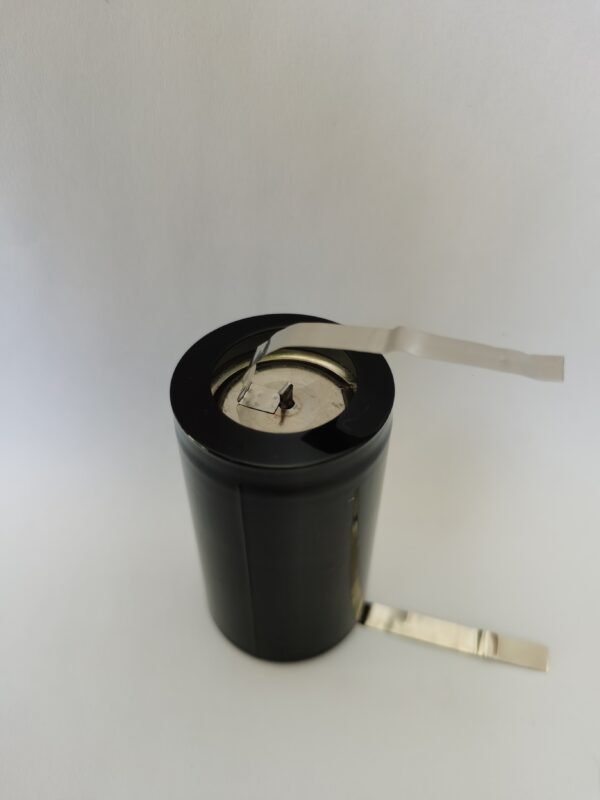
Lithium Sulfur Battery | Deep Sea & Aerospace Grade Supplier
Powering Extreme Environments with Next-Generation Energy Storage Solutions
The demand for high-performance power systems capable of operating in extreme conditions has never been more critical. From deep-sea exploration vessels descending to pressures exceeding 10,000 meters to aerospace satellites enduring vacuum conditions and extreme temperature fluctuations, reliable energy storage remains the cornerstone of mission success. Lithium sulfur (Li-S) battery technology, combined with proven lithium metal primary battery systems, represents the forefront of energy density innovation for these demanding applications.
Understanding Lithium Sulfur Battery Technology
Lithium sulfur batteries operate through a conversion reaction mechanism fundamentally different from traditional lithium-ion intercalation chemistry. During discharge, lithium ions from the anode react with sulfur at the cathode, forming lithium sulfide through multiple polysulfide intermediate stages. This conversion chemistry enables theoretical specific energy densities reaching 2,600 Wh/kg—approximately five times that of conventional lithium-ion batteries.
The electrochemical reaction follows: 16Li + S₈ → 8Li₂S, delivering a theoretical capacity of 1,675 mAh/g for sulfur cathodes. This exceptional energy density makes Li-S batteries particularly attractive for weight-sensitive aerospace applications and long-duration deep-sea missions where battery replacement is impossible.
Deep Sea Application Requirements
Deep-sea environments present unique challenges including hydrostatic pressures up to 110 MPa, temperatures ranging from -2°C to 4°C, and complete isolation from maintenance support. Battery systems must maintain structural integrity while preventing electrolyte leakage under extreme compression.
Recent research from Ocean University of China demonstrates that composite solid electrolytes significantly enhance all-solid-state lithium battery performance in deep-sea conditions. These advanced electrolyte systems eliminate liquid components that could compromise safety under high pressure, while maintaining ionic conductivity at low temperatures critical for deep-ocean operations.
For subsea equipment including autonomous underwater vehicles (AUVs), sensor arrays, and communication systems, battery reliability directly determines operational lifespan. Lithium thionyl chloride (Li-SOCl₂) primary batteries remain the industry standard for many deep-sea applications, offering specific energy up to 590 Wh/kg with proven performance records spanning decades of underwater deployment.
Aerospace Grade Performance Standards
Aerospace applications demand batteries meeting rigorous certification standards including UN 38.3 transportation requirements, IATA Dangerous Goods Regulations, and mission-specific reliability thresholds. Satellite systems, space probes, and high-altitude aircraft require power sources capable of operating across temperature ranges from -40°C to +85°C while withstanding vibration, shock, and radiation exposure.
The 2025 updates to IATA lithium battery transportation regulations emphasize state-of-charge limitations during transport, requiring cells and batteries to ship at不超过30% capacity for enhanced safety. This regulatory evolution underscores the importance of working with suppliers who maintain comprehensive compliance documentation and testing protocols.
Lithium metal primary batteries excel in aerospace applications due to their exceptional shelf life (10+ years), wide operating temperature ranges, and predictable discharge characteristics. Unlike rechargeable systems, primary lithium batteries eliminate concerns about cycle degradation, making them ideal for long-duration space missions where battery replacement is impossible.
Technical Comparison: Li-S vs. Lithium Metal Primary
While lithium sulfur rechargeable systems offer compelling energy density advantages for future applications, lithium metal primary batteries provide proven reliability for current extreme environment deployments. Li-SOCl₂ systems deliver stable voltage platforms around 3.6V with minimal self-discharge rates (<1% annually), ensuring power availability after extended storage periods typical in aerospace and defense applications.
Key performance parameters for extreme environment battery selection include:
- Energy Density: Li-S (theoretical 2,600 Wh/kg) vs. Li-SOCl₂ (practical 590 Wh/kg)
- Operating Temperature: Both systems support -55°C to +85°C ranges with proper engineering
- Shelf Life: Primary lithium systems exceed 10 years; Li-S rechargeable systems target 500+ cycles
- Safety: Solid-state configurations eliminate leakage risks in high-pressure environments
Partner with Certified Extreme Environment Battery Suppliers
Selecting the right battery partner requires evaluating manufacturing capabilities, testing infrastructure, and regulatory compliance track records. Suppliers serving deep-sea and aerospace markets must maintain ISO 9001 quality systems, UN 38.3 testing certification, and application-specific validation data.
For technical specifications, custom engineering support, and compliance documentation for lithium metal primary battery solutions, visit our comprehensive product catalog at https://cnsbattery.com/primary-battery/ to explore application-specific configurations designed for extreme environment deployment.
Our engineering team provides direct technical consultation for mission-critical power system integration. Contact us at https://cnsbattery.com/primary-battery-contact-us/ to discuss your specific deep-sea or aerospace power requirements with qualified battery specialists who understand the unique demands of extreme environment operations.
Conclusion
As deep-sea exploration expands and aerospace missions grow more ambitious, battery technology continues evolving to meet unprecedented performance requirements. Lithium sulfur systems represent the next frontier in energy density, while established lithium metal primary technologies deliver proven reliability for today’s most demanding applications. Success in extreme environments requires partnering with suppliers who combine technical expertise, regulatory compliance, and application-specific engineering support to ensure mission success from ocean depths to outer space.
