
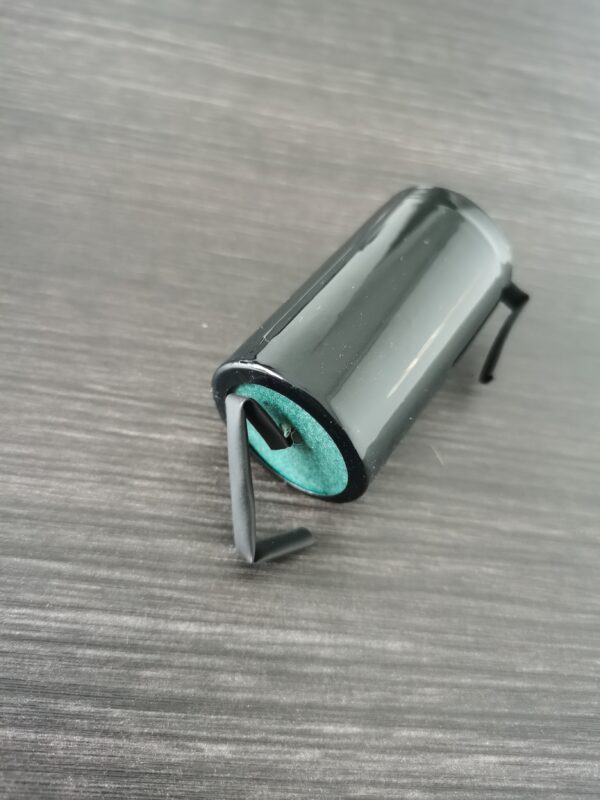
Lithium Manganese Dioxide Battery for Pulse Oximeters: Ensuring Reliability in Critical Care Monitoring
In the rapidly evolving landscape of medical technology, the pulse oximeter stands as a cornerstone device for non-invasive blood oxygen saturation monitoring. From hospital intensive care units to home healthcare settings, the reliability of this device is paramount. At the heart of every portable pulse oximeter lies a critical component often overlooked until failure occurs: the power source. As professional practitioners in the lithium battery industry, we recognize that the Lithium Manganese Dioxide (Li-MnO2) battery is the definitive choice for powering these life-critical devices. This article delves into the technical superiority of Li-MnO2 chemistry, its specific advantages for medical applications, and key selection criteria for B2B procurement professionals.
The Chemistry of Reliability: Why Li-MnO2?
Lithium Manganese Dioxide batteries, commonly categorized under the IEC designation “CR” series, utilize lithium metal as the anode and manganese dioxide as the cathode. This primary lithium battery chemistry offers a nominal voltage of 3.0V, which is significantly higher than traditional alkaline counterparts. For pulse oximeters, which require stable voltage to ensure accurate sensor readings and consistent LED operation, this characteristic is non-negotiable.
The electrochemical reaction within a Li-MnO2 cell is highly stable. Unlike rechargeable lithium-ion solutions that may suffer from voltage sag under load or require complex battery management systems (BMS), primary Li-MnO2 batteries provide a flat discharge curve. This means the voltage remains nearly constant throughout the majority of the battery’s life cycle. For engineers designing pulse oximeters, this translates to consistent performance until the battery is nearly depleted, eliminating the risk of inaccurate SpO2 readings due to power fluctuations.
Technical Performance Metrics for Medical Devices
When evaluating power solutions for medical devices, several technical parameters must be prioritized. Li-MnO2 batteries excel in areas that directly impact the usability and safety of pulse oximeters.
1. Ultra-Low Self-Discharge Rate
Medical devices often sit in emergency kits or storage for extended periods before deployment. A high-quality Li-MnO2 battery typically exhibits a self-discharge rate of less than 1% per year at ambient temperatures. This ensures that a pulse oximeter stored for three to five years will still retain sufficient charge to function immediately when needed. This long shelf life reduces inventory waste and maintenance costs for healthcare providers.
2. Wide Operating Temperature Range
Healthcare environments vary drastically, from cold ambulances to warm clinical settings. Li-MnO2 chemistry is robust, typically operating effectively between -40°C and +85°C. This thermal stability ensures that the battery does not leak or fail under extreme conditions, a critical safety requirement for medical equipment certification.
3. High Energy Density
Portability is a key feature of modern pulse oximeters. Li-MnO2 batteries offer superior energy density compared to alkaline or nickel-metal hydride batteries. This allows device manufacturers to design smaller, lighter units without sacrificing operational runtime, enhancing patient comfort during continuous monitoring.
Safety and Compliance in Medical Applications
Safety is the foremost concern in the medical device industry. Primary lithium batteries must adhere to stringent international standards to mitigate risks such as leakage, venting, or thermal runaway. For B2B buyers, verifying compliance with standards such as IEC 60086-4 (Safety of primary batteries) and UL 1642 is essential.
Selection Guide for B2B Procurement
Choosing the right battery partner involves more than just comparing price per unit. Overseas buyers and product designers should consider the following factors:
- Capacity Consistency: Ensure the manufacturer guarantees tight capacity tolerances. Inconsistent capacity can lead to varied device performance across batches.
- Customization Capabilities: Some pulse oximeter designs require specific battery shapes or tab configurations. A supplier with OEM/ODM capabilities can tailor the battery pack to fit unique device housings.
- Supply Chain Stability: Medical device production schedules cannot tolerate delays. Verify the supplier’s production capacity and logistics network to ensure timely delivery.
- Documentation Support: Reliable suppliers provide comprehensive documentation, including Material Safety Data Sheets (MSDS), UN38.3 transport certification, and RoHS/REACH compliance reports.
Conclusion
The integration of a high-quality Lithium Manganese Dioxide battery is fundamental to the performance and safety of pulse oximeters. Its stable voltage, long shelf life, and robust safety profile make it the industry standard for portable medical monitoring devices. For businesses involved in the manufacturing or distribution of medical electronics, partnering with a knowledgeable battery supplier is crucial.
