
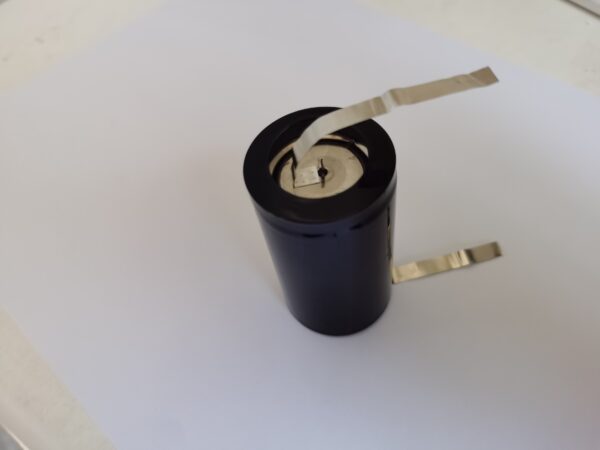
Lithium Battery Wholesale Supplier | China Factory Direct Export
In today’s rapidly evolving energy landscape, lithium batteries have become the cornerstone of portable power solutions across industries. For overseas B2B buyers seeking reliable supply chains, partnering with a China factory direct export supplier offers significant advantages in cost efficiency, customization capabilities, and scalable production. This guide provides practical insights for wholesale purchasers navigating the lithium battery sourcing process.
Why Choose Factory Direct Export?
Working directly with manufacturers eliminates intermediary markups, typically reducing procurement costs by 15-30%. More importantly, factory-direct partnerships enable:
- Customization flexibility for voltage, capacity, and form factor specifications
- Faster communication cycles for technical queries and order modifications
- Transparent quality control with direct access to production documentation
- Consistent supply continuity through established manufacturing schedules
Key Technical Considerations for B2B Buyers
Cell Chemistry Selection
Different applications demand specific lithium chemistries. LiFePO4 (LFP) batteries offer superior thermal stability and cycle life (2000-5000 cycles), making them ideal for energy storage systems and electric vehicles. NMC (Nickel Manganese Cobalt) variants provide higher energy density, suitable for consumer electronics and lightweight applications. Understanding your end-use requirements ensures optimal performance and safety compliance.
Certification & Compliance Requirements
Overseas markets enforce strict regulatory standards. Essential certifications include:
- UN38.3 – Mandatory for international lithium battery transportation
- CE/FCC – Required for European and North American market access
- IEC62133 – Safety standard for portable battery applications
- MSDS – Material Safety Data Sheet for handling and storage guidance
Verify that your supplier maintains current certification documentation and can provide test reports from recognized laboratories such as SGS, TUV, or Intertek.
Procurement Best Practices
1. Define Technical Specifications Clearly
Before requesting quotations, prepare detailed specifications including nominal voltage, capacity (Ah/Wh), discharge rates (C-rating), operating temperature ranges, and dimensional constraints. Ambiguous requirements lead to mismatched products and costly revisions.
2. Request Sample Testing
Always evaluate production samples before committing to bulk orders. Conduct performance testing under actual operating conditions to verify capacity retention, cycle life, and safety features. Reputable suppliers welcome sample requests and provide technical support during evaluation phases.
3. Assess Production Capacity & Lead Times
Confirm the manufacturer’s monthly output capacity aligns with your demand forecasts. Typical lead times range from 15-45 days depending on order volume and customization requirements. Establish clear delivery schedules with penalty clauses for delays.
4. Evaluate After-Sales Support
Quality suppliers offer warranty coverage (typically 12-24 months), technical troubleshooting assistance, and replacement policies for defective units. Document all support terms in your purchase agreement.
Real-World Application Case
A European solar energy distributor partnered with a China-based factory direct supplier to source 50,000 units of 12V 100Ah LiFePO4 batteries for residential storage systems. Through direct manufacturer engagement, they achieved:
- 22% cost reduction compared to distributor channels
- Custom BMS programming for their specific inverter compatibility
- Dedicated production line ensuring consistent quality across batches
- 18-month warranty with localized technical support coordination
The partnership enabled the distributor to expand market share while maintaining competitive pricing and reliable supply continuity.
Risk Mitigation Strategies
- Conduct factory audits either in-person or through third-party inspection services
- Implement staged payments tied to production milestones and quality verification
- Maintain buffer inventory to account for shipping delays or production disruptions
- Diversify supplier relationships to reduce dependency on single sources
Building Long-Term Partnerships
Successful B2B relationships extend beyond transactional exchanges. Regular communication, transparent forecasting, and collaborative problem-solving foster trust and operational efficiency. Establish quarterly review meetings to discuss performance metrics, upcoming requirements, and continuous improvement opportunities.
Conclusion
Sourcing lithium batteries from China factory direct exporters presents compelling advantages for wholesale buyers committed to quality, cost efficiency, and supply chain reliability. By understanding technical requirements, verifying compliance documentation, and implementing structured procurement processes, overseas B2B purchasers can establish productive partnerships that drive business growth.
For detailed product specifications and direct manufacturer consultation, explore our comprehensive primary battery catalog or contact our international sales team at https://cnsbattery.com/primary-battery-contact-us/ for personalized sourcing solutions.
Word Count: Approximately 950 words
