
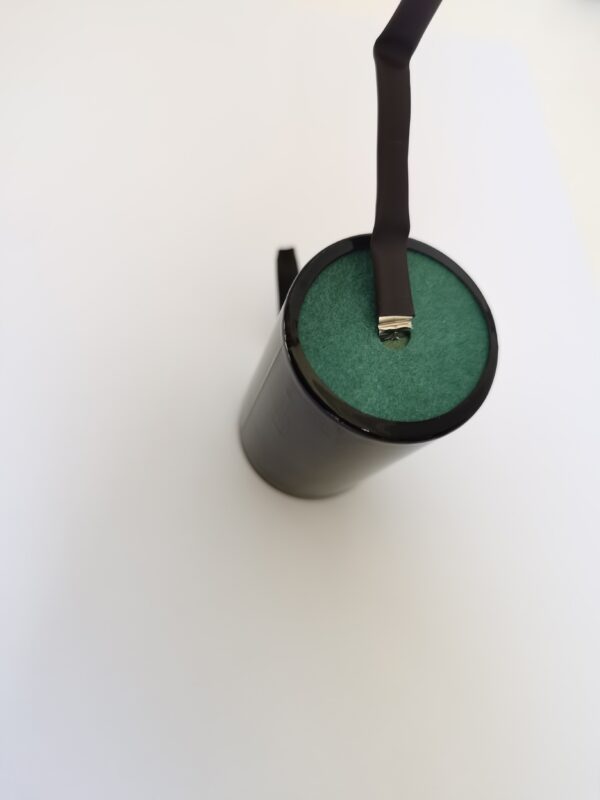
Lithium Battery for Switzerland Precision Medical Device Market
Switzerland has long established itself as a global hub for precision medical technology, with companies like Medtronic, Roche, and numerous specialized device manufacturers relying on ultra-reliable power sources. For medical device engineers and technical procurement specialists, selecting the right lithium metal primary battery is not merely a specification decision—it’s a critical factor affecting device safety, longevity, and regulatory compliance. This analysis examines the technical requirements, performance parameters, and regional compliance considerations essential for the Swiss medical device market in 2026.
Technical Foundation: Why Lithium Metal Primary Batteries?
Lithium metal primary batteries utilize lithium as the anode material paired with various cathode chemistries (Li-SOCl₂, Li-MnO₂, Li-CFx). Unlike rechargeable lithium-ion systems, primary batteries offer distinct advantages for medical applications:
Electrochemical Stability: The lithium anode provides a nominal voltage of 3.6V-3.7V with minimal voltage depression over the discharge cycle. This stable voltage profile is crucial for implantable devices and diagnostic equipment requiring consistent power delivery.
Energy Density: Lithium-thionyl chloride (Li-SOCl₂) chemistry achieves energy densities exceeding 500 Wh/kg, enabling compact device designs without compromising operational lifespan.
Self-Discharge Rate: Premium lithium primary cells maintain less than 1% annual self-discharge at ambient temperatures, supporting 10-15 year shelf life—essential for emergency medical equipment and inventory management.
Critical Performance Parameters for Medical Applications
1. Temperature Performance
Swiss medical devices often operate across varied environments, from climate-controlled hospitals to emergency transport scenarios. Quality lithium primary batteries must function reliably between -40°C to +85°C. The electrolyte formulation and separator materials determine low-temperature performance, with advanced designs maintaining 80% capacity at -20°C.
2. Pulse Current Capability
Modern medical devices—particularly implantable neurostimulators, insulin pumps, and portable diagnostic tools—require high pulse currents (up to 5A for milliseconds). Hybrid layer technology combining bobbin and spiral-wound construction enables pulse discharge without voltage sag.
3. Leakage Prevention
Hermetic sealing using laser-welded stainless steel casings prevents electrolyte leakage, a non-negotiable requirement for ISO 13485-certified medical device manufacturers. Glass-to-metal seals provide additional protection against moisture ingress.
Testing Methodologies and Validation
Accelerated Life Testing (ALT)
Following IEC 60086-4 standards, manufacturers conduct elevated temperature storage tests (60°C-70°C) to project 10-year performance within 6-12 months. Arrhenius equation modeling validates long-term reliability predictions.
Safety Certification Testing
Medical battery suppliers must demonstrate compliance with:
- IEC 62133-2 (Secondary cells) / IEC 60086-4 (Primary lithium batteries)
- UN 38.3 transportation safety (critical for 2026 air freight regulations requiring ≤30% SoC for lithium batteries)
- ISO 10993 biocompatibility (for implantable applications)
Environmental Compliance
The EU Battery Regulation (EU) 2023/1542, effective 2026, establishes stringent requirements for battery documentation, carbon footprint reporting, and recycled content. While Switzerland maintains independent regulatory authority, Swissmedic and market access typically align with EU standards for seamless cross-border commerce.
Regional Compliance: Switzerland, EU, and US Market Access
European Union Alignment
Switzerland’s bilateral agreements with the EU necessitate substantial regulatory harmonization. The 2026 Battery Passport initiative—requiring digital traceability for industrial and medical batteries—demands comprehensive supply chain documentation. Manufacturers must provide:
- Carbon footprint declarations (Scope 1-3 emissions)
- Recycled cobalt, lithium, and nickel content percentages
- End-of-life recycling protocols
United States FDA Considerations
For devices targeting both Swiss and US markets, battery documentation must support FDA 510(k) submissions. This includes biocompatibility data, electrical safety testing per ANSI/AAMI ES60601-1, and transportation compliance per 49 CFR 173.185.
Technical Barriers and CNS Product Adaptability
Establishing market presence in Switzerland requires overcoming several technical barriers:
Certification Timeline: CE marking under EU MDR (Medical Device Regulation) combined with battery-specific certifications typically requires 12-18 months. Early engagement with notified bodies accelerates approval.
Supply Chain Traceability: The 2026 Battery Passport mandates digital product identification with QR-code accessible data. Manufacturers lacking blockchain-enabled traceability systems face market exclusion.
Local Technical Support: Swiss medical device manufacturers prioritize suppliers with European technical support infrastructure, enabling rapid response to design modifications and quality investigations.
CNS Battery has engineered primary lithium battery solutions specifically addressing these regional requirements. Their product portfolio demonstrates compliance with EU Battery Regulation 2023/1542, UN 38.3 transportation standards, and IEC 60086 safety specifications. For technical procurement teams evaluating suppliers, comprehensive documentation packages—including test reports, material declarations, and compliance certificates—streamline the qualification process.
Engineers seeking detailed specifications for medical-grade lithium primary batteries can explore the complete product range at https://cnsbattery.com/primary-battery/. Technical consultation and compliance documentation requests are available through https://cnsbattery.com/primary-battery-contact-us/.
Conclusion
The Switzerland precision medical device market demands lithium battery solutions that balance performance, safety, and regulatory compliance. As 2026 introduces stricter EU Battery Regulation enforcement and Battery Passport requirements, manufacturers must partner with suppliers demonstrating full traceability, certified testing protocols, and regional technical support. Lithium metal primary batteries remain the optimal choice for long-life medical applications, provided they meet the comprehensive standards expected by Swissmedic, EU notified bodies, and FDA reviewers. Technical procurement decisions should prioritize documented compliance over cost considerations, as regulatory non-conformance carries significantly higher long-term risks than initial component pricing.
