Navigating the Lithium Battery Landscape for the Philippines Consumer Electronics Market in 2026
The Philippines stands as one of Southeast Asia’s most dynamic hubs for consumer electronics, driven by a young demographic, rapid digitalization, and increasing disposable income. As we progress through 2026, the demand for reliable power solutions—specifically lithium batteries—has intensified across sectors ranging from smart home devices to portable wearables. For B2B buyers, importers, and product manufacturers targeting this archipelago, understanding the technical, regulatory, and logistical nuances of lithium battery procurement is no longer optional; it is a critical business imperative.
Market Dynamics and Demand Drivers
The Philippine consumer electronics market is evolving beyond basic smartphones and laptops. There is a surging interest in IoT devices, wireless audio equipment, and smart metering tools. According to recent industry projections, the adoption of smart home technologies is expected to accelerate, with smart meter coverage aiming for significant expansion by 2030. This shift necessitates batteries that offer long shelf life, stable voltage, and robust safety profiles.
For B2B stakeholders, this means the battery is no longer just a component; it is a defining factor in product reliability. Whether powering a remote sensor in a humid coastal region or a high-drain handheld device in Metro Manila, the battery must perform consistently under stress.
Regulatory Compliance and Import Requirements
Navigating the regulatory environment is the first hurdle for any importer. The Department of Trade and Industry (DTI) and the Bureau of Philippine Standards (BPS) enforce strict guidelines to ensure consumer safety. Lithium batteries are classified as dangerous goods, requiring comprehensive documentation.
In 2026, compliance has become even more stringent due to updated international transport regulations affecting imports. A key update from the International Air Transport Association (IATA) Dangerous Goods Regulations (DGR) mandates that lithium batteries shipped with equipment (PI 966) must be at a State of Charge (SoC) not exceeding 30% for air transport. This rule, fully enforced from January 1, 2026, impacts logistics planning significantly. Importers must verify that their suppliers adhere to these SoC limits to avoid customs delays or shipment rejections at Ninoy Aquino International Airport or other entry points.
Furthermore, products often require ICC (Import Commodity Clearance) certification. Ensuring that battery cells carry UN38.3 test reports and MSDS (Material Safety Data Sheets) is fundamental. Non-compliance can lead to seized cargo and reputational damage.
Technical Adaptation for Tropical Climates
The Philippines’ tropical climate presents unique technical challenges. With average temperatures ranging from 25°C to 35°C and high humidity levels, standard battery chemistries may degrade faster or pose safety risks.
1. Thermal Stability: High ambient temperatures can accelerate electrolyte decomposition in lower-quality lithium-ion cells. For consumer electronics expected to operate outdoors or in non-air-conditioned environments, selecting cells with high thermal runaway thresholds is crucial.
2. Moisture Resistance: Humidity can corrode battery terminals and compromise packaging integrity. B2B buyers should prioritize suppliers who offer enhanced sealing technologies and corrosion-resistant casing.
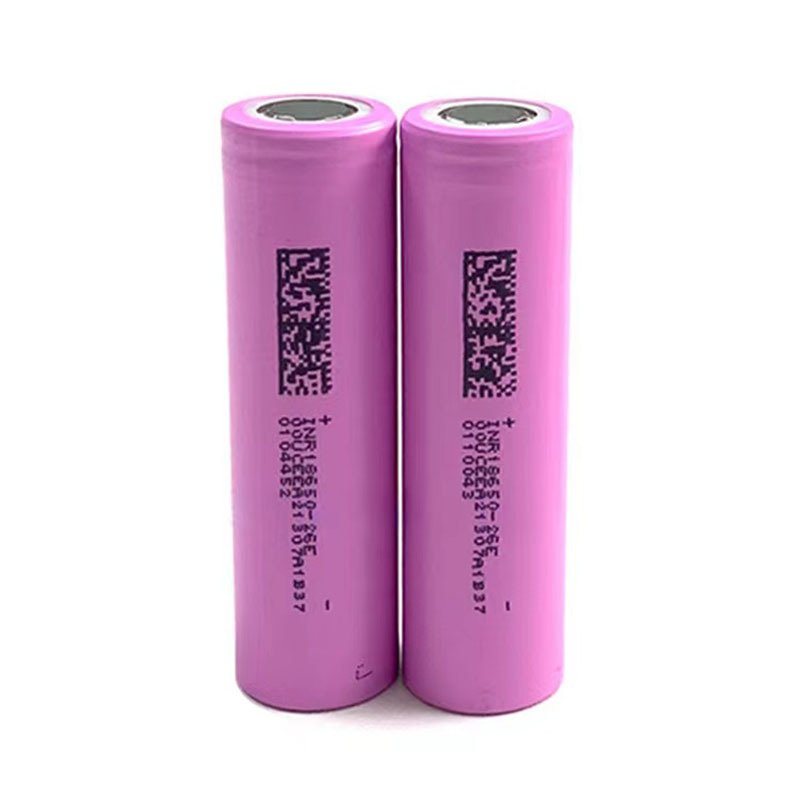
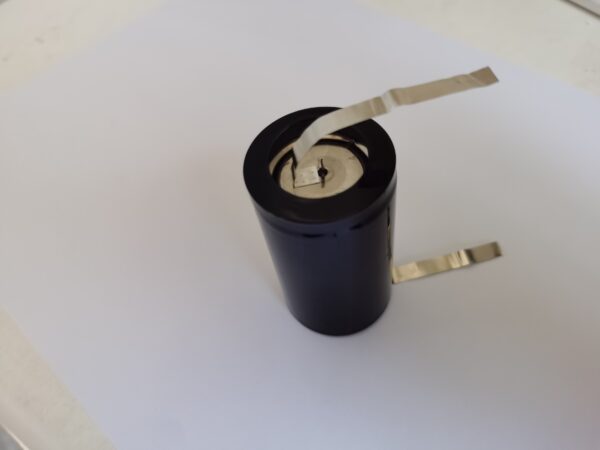
3. Chemistry Selection: While rechargeable lithium-ion batteries dominate high-drain devices, primary lithium batteries (such as Li-MnO2 or Li-SOCl2) remain essential for low-power, long-life applications like smart meters and remote controls. These primary cells offer superior shelf life and voltage stability, making them ideal for devices where frequent battery replacement is impractical. For a comprehensive range of reliable primary battery solutions suitable for these applications, you can explore detailed specifications at https://cnsbattery.com/primary-battery/.
Procurement Strategy for B2B Buyers
When sourcing lithium batteries for the Philippine market, a strategic approach minimizes risk and maximizes value.
Vendor Vetting: Do not rely solely on price. Verify the manufacturer’s track record in Southeast Asia. Ask for case studies of successful deployments in similar climates. A reliable partner should provide full traceability of cell origins and manufacturing dates.
Quality Assurance: Request sample testing under local conditions. Perform cycle life tests and storage tests at elevated temperatures (e.g., 45°C) to simulate worst-case scenarios. Ensure the supplier has ISO 9001 certification and adheres to IEC 62133 safety standards.
Logistics Partnership: Work with freight forwarders experienced in dangerous goods. Since the 30% SoC rule is now mandatory for air freight, your logistics partner must be equipped to handle the specific documentation and labeling required for lithium batteries.
Case Insight: Smart Home Integration
Consider a recent deployment of smart security sensors in residential complexes around Cebu. The initial batch utilized standard alkaline batteries, resulting in frequent replacements and customer complaints due to humidity-induced leakage. The manufacturer switched to high-grade primary lithium batteries with enhanced sealing. The result was a threefold increase in service life and a significant reduction in maintenance costs. This case underscores the importance of matching battery chemistry to the environmental reality of the end-user.
Conclusion
The Philippines offers immense opportunities for consumer electronics growth, but success hinges on the reliability of the power source. By adhering to 2026 regulatory standards, adapting to tropical climate challenges, and implementing a rigorous procurement strategy, B2B buyers can secure a competitive edge. Partnering with a supplier who understands these complexities is vital for long-term success.
For further consultation on compliance, technical specifications, or to discuss tailored battery solutions for your next project, please reach out through our official contact channel at https://cnsbattery.com/primary-battery-contact-us/. Ensuring power reliability today builds the foundation for consumer trust tomorrow.