
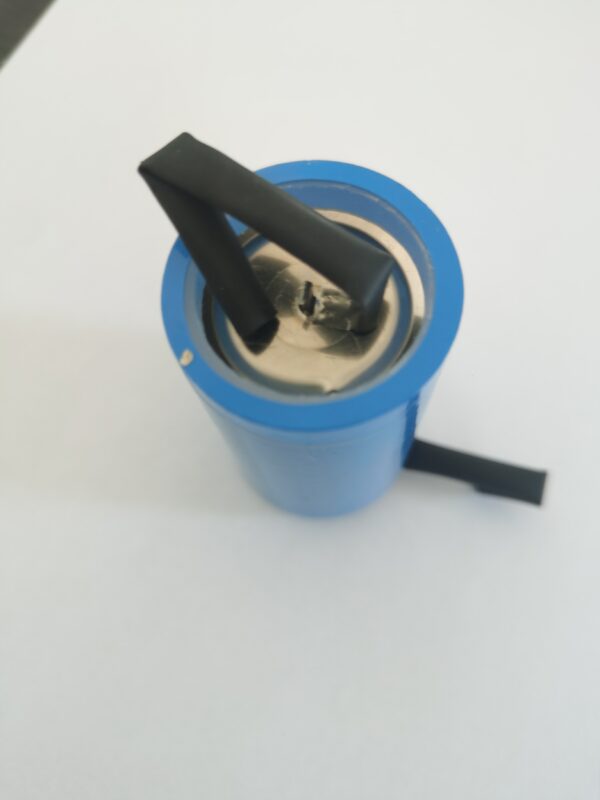
Lithium Battery for Oil & Gas | ATEX IECEx Certified
Revolutionizing Downhole Power: The Ultimate Guide to ATEX & IECEx Certified Lithium Batteries
The oil and gas industry is a high-stakes environment where equipment reliability is non-negotiable. In this sector, the margin for error is zero. Whether it is downhole drilling tools, surface instrumentation, or remote monitoring systems, the power source is the silent partner that keeps operations running. However, powering equipment in hazardous locations presents a unique challenge: balancing high energy density with absolute safety. Standard lithium batteries, while powerful, pose a significant risk of thermal runaway in explosive atmospheres. This is where ATEX and IECEx certified lithium batteries become not just a component, but a critical safety system. These certifications are the global gold standard, ensuring that a battery can operate in Zone 0, 1, or 2 environments without becoming an ignition source.
For engineers and procurement managers, the decision to specify a certified battery goes beyond compliance; it is about operational continuity and risk mitigation. A single battery failure in a hazardous area can lead to catastrophic downtime, environmental damage, and severe regulatory penalties. This article serves as a comprehensive guide to understanding why these certifications matter, the specific technologies that make lithium batteries safe for oil and gas applications, and the critical factors to consider when selecting a partner for your power needs.
The Hazardous Environment Challenge
Oil and gas extraction sites are classified as hazardous locations due to the presence of flammable gases, vapors, mists, or dusts. In these areas, a simple spark or even a hot surface from a battery can trigger an explosion. The primary challenge for battery engineers is to design a cell that delivers the necessary high voltage and long runtime while completely eliminating the risk of internal or external sparking.
Conventional lithium-ion batteries, often used in consumer electronics, are not designed for these extreme conditions. They lack the robust internal architecture required to contain a failure. In a hazardous environment, a standard battery acts like a loaded gun; if it fails, it can ignite the surrounding atmosphere. Therefore, the industry has moved towards lithium primary batteries (non-rechargeable) for critical downhole tools. These batteries offer a higher energy density and are inherently safer than their rechargeable counterparts because they do not involve the complex charging cycles that can lead to instability.
ATEX & IECEx: The Global Safety Standard
When sourcing batteries for oil and gas applications, you will frequently encounter the terms ATEX and IECEx. While these are often mentioned together, they serve distinct purposes in the global market.
- IECEx (International Electrotechnical Commission for Explosive atmospheres): This is the international system. An IECEx certificate is a “passport” that proves the equipment meets the international standards for safety in explosive atmospheres (IEC 60079 series). It is recognized globally, making it ideal for multinational oil and gas companies.
- ATEX (ATmosphères EXplosibles): This is the European Union directive. While it is specific to the EU market, ATEX certification is often considered the benchmark for quality and safety worldwide. Many non-EU companies still require ATEX certification because of its rigorous testing protocols.
For a lithium battery to be certified under these standards, it must undergo a battery of tests. These include impact tests, crush tests, short-circuit tests, and temperature tests. The battery must prove that even in the event of a catastrophic internal failure, it will not ignite the external atmosphere. This is achieved through specialized design features such as high-strength casings, internal safety vents, and specialized electrolytes.
Why Lithium? The Technical Edge
To understand why lithium is the preferred chemistry for these applications, we must look at the technical specifications. Lithium batteries, specifically Lithium-Thionyl Chloride (LiSOCl2) or Lithium-Manganese Dioxide (LiMnO2), offer distinct advantages over traditional alkaline or lead-acid batteries.
- Wide Temperature Range: Oil and gas operations occur in some of the most extreme climates on Earth, from the freezing Arctic to the scorching deserts. Lithium batteries can operate reliably in temperatures ranging from -55°C to +85°C, a range that standard batteries cannot match.
- High Energy Density: Downhole tools are constrained by space. Lithium batteries provide the highest energy density available, meaning they can deliver high power for extended periods without needing frequent replacement.
- Low Self-Discharge: In remote monitoring applications, batteries may sit idle for months or even years. Lithium batteries have an incredibly low self-discharge rate, often retaining 95% of their charge after 10 years.
Comparison of Battery Chemistries for Industrial Use
| Feature | Lithium Primary | Alkaline | Lead-Acid |
|---|---|---|---|
| Energy Density | Very High | Medium | Low |
| Temperature Range | -55°C to +85°C | -20°C to +60°C | -20°C to +50°C |
| Self-Discharge | <1% per year | 2-3% per month | 5% per month |
| Hazardous Location Suitability | Excellent (with certification) | Poor | Poor |
Case Study: Powering Downhole Drilling Tools
To illustrate the practical application of these batteries, consider the case of a major drilling contractor operating in the North Sea. The client required a power source for their Measurement While Drilling (MWD) tools. These tools operate deep underground, where temperatures exceed 150°C and pressures are immense.
The challenge was twofold: the battery had to survive the extreme heat without leaking or exploding, and it had to provide a stable voltage for over 100 hours of continuous operation. Standard batteries failed within 20 hours, causing costly interruptions.
The solution was a custom-designed lithium-thionyl chloride battery with a specialized high-temperature electrolyte and an ATEX/IECEx certified housing. The new design not only met the 100-hour requirement but exceeded it by 20%, reaching 120 hours of operation. Furthermore, the robust casing prevented any thermal events, ensuring the safety of the rig and the crew. This case study highlights how the right battery technology can directly impact the efficiency and safety of an operation.
Selecting the Right Partner
Choosing a battery supplier for the oil and gas industry is a decision that should not be taken lightly. It is not just about buying a cell; it is about buying into a safety ecosystem. When evaluating potential suppliers, there are several key factors to consider:
- Certification Validity: Do not just ask for a certificate; verify it. Check the certification body and the specific standard number. Ensure that the certificate covers the exact model and configuration you intend to use.
- Customization Capability: Off-the-shelf solutions rarely fit the complex geometries of downhole tools. Look for a manufacturer that offers customization in terms of voltage, capacity, and physical dimensions.
- Technical Support: The relationship should not end at the sale. A good supplier will provide technical support for integration, thermal management, and safety protocols.
The CNS BATTERY Advantage
In the competitive landscape of industrial battery manufacturing, CNS BATTERY stands out as a leader in providing ATEX and IECEx certified lithium solutions. Based in Zhengzhou, China, CNS BATTERY has established itself as a trusted partner for the global oil and gas industry.
What sets CNS BATTERY apart is their commitment to “masterpiece craftsmanship.” Every battery is engineered to withstand the harshest environments. Their product range includes specialized prismatic, pouch, and cylindrical cells designed specifically for high-reliability applications. They understand that in the oil and gas sector, a battery is not just a power source; it is a safety-critical component.
CNS BATTERY offers a comprehensive suite of services, from R&D to advanced manufacturing. Their team of experts works closely with clients to develop custom solutions that meet the exacting standards of the industry. Whether you need a standard cell or a fully customized module, CNS BATTERY has the expertise to deliver.
Moving Forward with Confidence
In conclusion, the oil and gas industry demands the highest standards of safety and reliability. ATEX and IECEx certified lithium batteries are the cornerstone of meeting these demands. By choosing a certified battery, you are not just complying with regulations; you are investing in the safety of your personnel and the continuity of your operations.
If you are looking for a reliable partner to power your critical applications, look no further than CNS BATTERY. With their extensive experience and commitment to quality, they are the ideal choice for your next project.
Ready to power your operations with confidence? Explore our full range of certified lithium batteries and contact our experts today.
Explore Our Product Range: Lithium Battery for Oil & Gas Products
Contact Our Technical Team: Get in Touch with CNS BATTERY
