
Powering Precision: Lithium Battery Solutions for Lithuania’s Smart Agriculture Market
As Lithuania continues to position itself as a hub for technological innovation within the Baltic region, its agricultural sector is undergoing a significant digital transformation. The integration of Internet of Things (IoT) devices, automated machinery, and remote sensing technologies is redefining efficiency in Lithuanian farming. At the heart of this smart agriculture revolution lies a critical component often overlooked: the power source. For overseas B2B stakeholders and local integrators, selecting the right lithium battery solution is not merely a technical choice but a strategic decision impacting operational longevity, compliance, and total cost of ownership.
The Role of Lithium Batteries in Agri-Tech IoT
Smart agriculture in Lithuania relies heavily on decentralized sensors deployed across vast fields. These devices monitor soil moisture, nutrient levels, micro-climate conditions, and livestock location. Unlike consumer electronics, agricultural IoT devices operate in harsh environments characterized by extreme temperature fluctuations, humidity, and limited access for maintenance.
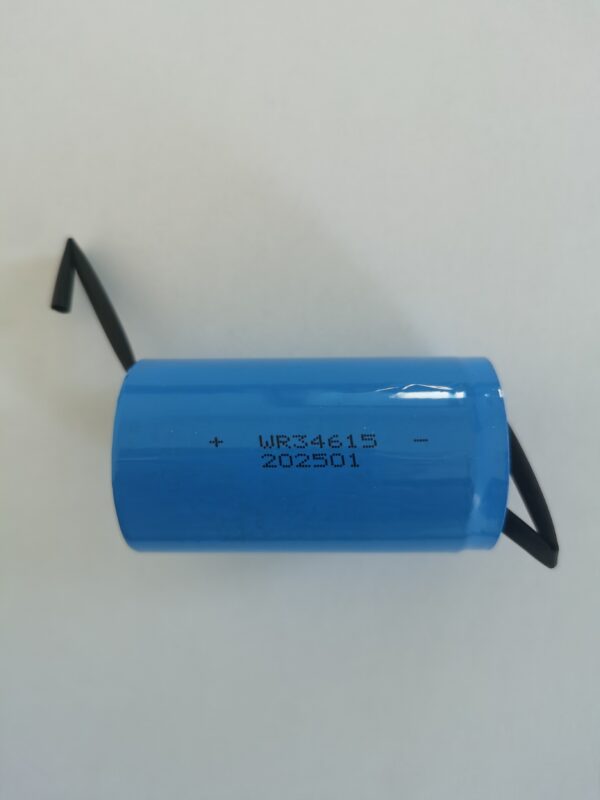
Lithium primary batteries, particularly Lithium Thionyl Chloride (Li-SOCl2), have emerged as the industry standard for these applications. Their high energy density allows sensors to operate autonomously for 5 to 10 years without replacement. This is crucial for Lithuanian winters, where temperatures can drop significantly. A standard alkaline battery might fail or lose capacity rapidly in sub-zero conditions, whereas industrial-grade lithium cells maintain stable voltage output even at -40°C. Furthermore, the low self-discharge rate of lithium primary batteries ensures that devices remain ready for deployment after long storage periods, a key consideration for seasonal agricultural operations.
Regulatory Compliance and Safety Standards
For B2B buyers importing battery solutions into Lithuania, adherence to European Union regulations is non-negotiable. The EU Battery Regulation (EU) 2023/1542 has introduced stricter requirements regarding sustainability, safety, and labeling.
- CE Marking & EMC: All battery-powered devices must comply with Electromagnetic Compatibility (EMC) directives to ensure they do not interfere with other agricultural equipment or communication networks.
- Battery Passport: Emerging requirements demand digital documentation regarding battery chemistry, carbon footprint, and recycling information. B2B procurement teams must ensure their suppliers can provide this data transparency.
- Transportation Safety: Lithium batteries are classified as dangerous goods for transport (UN38.3 certification). Ensuring your supplier adheres to IATA/IMDG codes is vital to prevent logistical delays at Lithuanian ports or borders.
Non-compliance can lead to significant fines and market access restrictions. Therefore, partnering with a supplier who understands the EU regulatory landscape is as important as the product quality itself.
Practical Application Cases
Case Study 1: Precision Soil Monitoring
A prominent agri-tech firm in the Kaunas region deployed over 5,000 soil sensors across cereal farms. By utilizing high-capacity lithium primary batteries, they reduced maintenance visits from quarterly to once every seven years. This shift lowered operational costs by 40% and ensured continuous data flow during critical planting seasons.
Case Study 2: Livestock Tracking
In dairy farming operations near Vilnius, GPS collars require reliable power to transmit location data every few minutes. Lithium batteries with pulse power capabilities support the high current bursts needed for GPS transmission while maintaining a long shelf life. This ensures that livestock monitoring remains uninterrupted, enhancing animal welfare and security.
Procurement Guide for B2B Stakeholders
When sourcing lithium batteries for the Lithuanian market, focus on the following technical and commercial parameters:
- Capacity vs. Load Profile: Match the battery capacity (Ah) to the device’s current drain. For low-drain sensors, high-capacity bobbin-type cells are ideal. For high-drain communication modules, consider hybrid designs or lithium manganese dioxide (Li-MnO2) options.
- Temperature Range: Verify the operating temperature range. For Lithuania, a range of -40°C to +85°C is recommended to cover winter extremes and summer heat inside equipment enclosures.
- Leakage Protection: Agricultural environments are humid. Ensure batteries have robust anti-leakage designs, such as laser-welded seals, to prevent corrosion of expensive IoT hardware.
- Supply Chain Stability: Given the global fluctuations in lithium raw materials, secure a supplier with a stable production line and inventory buffer to avoid project delays.
Conclusion
The future of Lithuanian smart agriculture depends on reliable, long-lasting power solutions. As the market matures, the demand for compliant, high-performance lithium batteries will only increase. B2B buyers must prioritize technical suitability and regulatory adherence to ensure seamless integration into their agricultural ecosystems.
For detailed specifications on industrial lithium battery solutions tailored for IoT and agricultural applications, explore our comprehensive product range at https://cnsbattery.com/primary-battery/. Our team is ready to assist with technical consultations and compliance documentation. To discuss bulk procurement or customized power solutions for your projects in Lithuania, please contact us directly via https://cnsbattery.com/primary-battery-contact-us/. Ensuring your agri-tech infrastructure is powered by reliable energy is the first step towards sustainable and efficient farming.
