
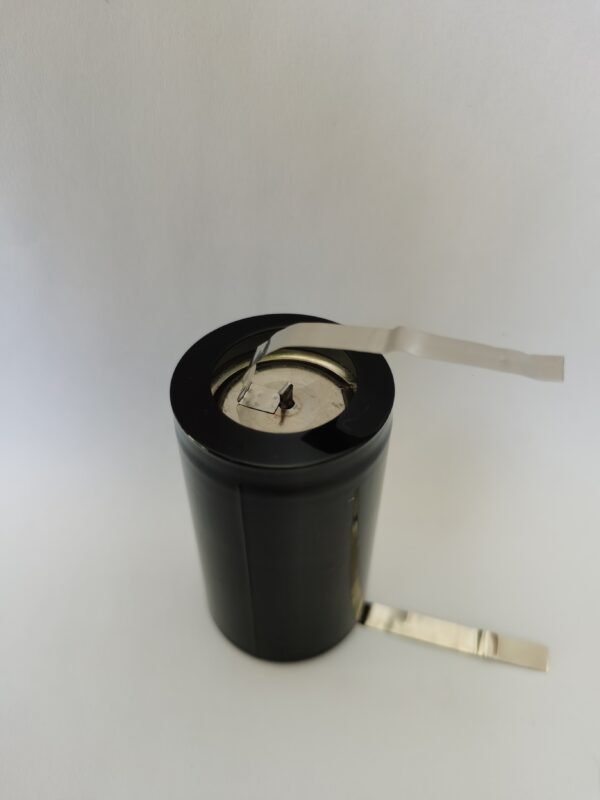
Powering Latin America: INMETRO-Certified Lithium Solutions for Industrial Markets
Latin America is undergoing a massive energy transition. From the bustling ports of Brazil to the remote mining sites of the Andes, industrial sectors are rapidly shifting from lead-acid to lithium-ion technology. However, selling or deploying battery solutions in this market is not just about performance; it is a strict legal compliance game. For manufacturers and distributors, navigating the regulatory landscape is the first hurdle to entry.
This article explores the technical advantages of modern lithium batteries for heavy-duty industrial applications in Latin America and demystifies the critical INMETRO certification process, ensuring your products meet the legal standards required to operate in this vibrant market.
Why Lithium is Dominating Latin American Industry
The Latin American industrial sector—spanning logistics, agriculture, and manufacturing—faces unique challenges. High humidity, extreme temperatures, and a need for rapid turnaround are common. Traditional lead-acid batteries often fail to meet these demands due to high maintenance costs and short cycle life.
Modern Lithium Iron Phosphate (LiFePO4) batteries offer a superior alternative. Unlike consumer electronics batteries (which often use Cobalt or Nickel chemistries), industrial-grade LiFePO4 cells are engineered for safety and longevity.
Technical Edge:
- Thermal Stability: The crystalline structure of Lithium Iron Phosphate is inherently more stable than other lithium chemistries. This makes them far less prone to thermal runaway, a critical safety feature for hot climates.
- Deep Cycle Efficiency: They can be discharged to 80-90% Depth of Discharge (DoD) without damage, whereas lead-acid batteries suffer if discharged beyond 50%.
- Opportunity Charging: Unlike lead-acid, which requires a full charge cycle, lithium batteries can be “topped up” during breaks, eliminating the need for battery-changing rooms in warehouses.
For B2B clients, this translates directly to a lower Total Cost of Ownership (TCO). A forklift operator in São Paulo doesn’t need to change batteries mid-shift, and a telecom tower in the Amazon doesn’t need frequent maintenance visits.
The INMETRO Certification Imperative
While the performance benefits are global, the regulatory requirements in Latin America are specific. If you are targeting the Brazilian market—which represents a massive portion of the regional economy—you must understand INMETRO.
What is INMETRO?
INMETRO (Instituto Nacional de Metrologia, Qualidade e Tecnologia) is the national metrology, quality, and technology institute of Brazil. It is not merely a suggestion; it is the law. Since 2011, Brazil has enforced strict regulations on electronic and electrochemical products to ensure safety, prevent fires, and protect consumers.
The “Mark of Conformity”:
To legally sell or import a battery into Brazil, it must carry the INMETRO Mark. This mark signifies that the product has been tested and certified by an accredited body (OCP – Organismo de Certificação Produtos).
Key Standards for Batteries:
The certification process for lithium batteries typically revolves around the ABNT NBR IEC 62133 standard (the Brazilian adaptation of the international IEC standard). This involves rigorous testing on:
- Electrical Safety: Overcharge, forced discharge, and short-circuit tests.
- Mechanical Safety: Vibration and shock resistance (critical for rough Latin American roads).
- Environmental Safety: Low-pressure tests (for high-altitude regions) and temperature cycling.
The B2B Challenge:
For distributors, importing uncertified batteries is a legal risk that can result in seizures, fines, and reputational damage. For OEMs, integrating a non-certified battery into your machinery means your entire product cannot be sold in Brazil. The solution is to source from manufacturers who have already obtained this certification or who can provide the necessary technical documentation to facilitate your own certification process.
Case Study: Electrifying Logistics in Santiago
To understand the real-world impact of these technical and regulatory factors, let’s examine a case study from the logistics sector in Chile.
The Challenge:
A major 3PL (Third-Party Logistics) provider in Santiago was operating a fleet of 50 electric forklifts. They were using traditional lead-acid batteries. The operation ran 24/7, but the lead-acid batteries required 8 hours of charging and 8 hours of cooling. This meant the warehouse had to maintain a massive battery room with ventilation systems and hire staff to swap batteries every 8 hours. The downtime was costing them efficiency, and the maintenance costs were eating into their margins.
The Solution:
The company partnered with a battery manufacturer to retrofit their fleet with 48V 50Ah Prismatic Lithium Iron Phosphate (LiFePO4) battery modules. These modules were specifically designed to fit the OEM chassis without mechanical modification.
The Results:
- Operational Efficiency: By utilizing the opportunity charging capability of lithium, the forklifts were charged during operator breaks. The battery room was decommissioned, freeing up 200 square meters of warehouse space.
- Cost Reduction: The lifespan of the lithium batteries exceeded 3000 cycles, compared to the 500 cycles of the lead-acid batteries. This reduced their battery replacement budget by 60% over five years.
- Compliance: The manufacturer provided full documentation proving the cells met IEC 62133 standards, allowing the distributor to navigate local safety regulations smoothly.
This case highlights that the shift to lithium is not just about the chemistry; it is about re-engineering the workflow. The robustness of the prismatic cell design also ensured that the vibrations from the warehouse floor did not damage the internal structure of the battery.
Selecting the Right Partner for Latin America
When sourcing lithium batteries for the Latin American market, technical specifications and regulatory compliance are table stakes. However, the true differentiator is the Battery Management System (BMS).
The BMS is the “brain” of the lithium battery. In the context of Latin America, where power grids can be unstable and temperatures vary drastically, a sophisticated BMS is non-negotiable. It must provide:
- Cell Balancing: Ensuring all cells in the pack charge and discharge evenly to maximize lifespan.
- Temperature Monitoring: Automatically cutting off power if the battery exceeds safe operating temperatures (vital for the tropical heat).
- Communication Protocols: Compatibility with existing fleet management systems (often using CANbus protocols) so operators can monitor State of Charge (SOC) and State of Health (SOH) in real-time.
Furthermore, the physical form factor matters. Latin American industries often use equipment from various global OEMs. A supplier who offers modular, customizable solutions—such as pouch, cylindrical, or prismatic cells that can be engineered to fit legacy equipment—is invaluable.
Conclusion: Compliance Meets Capability
The Latin American market is ripe for the lithium revolution, but success requires a dual focus. You need high-performance cells that can withstand the rigors of industrial use, and you need the paperwork to prove they are safe for the local market.
Whether you are looking to electrify a fleet of forklifts, power remote telecommunications infrastructure, or integrate batteries into new industrial equipment, partnering with a manufacturer that understands both the technical demands and the regulatory landscape is crucial.
If you are ready to explore how certified, high-density lithium solutions can reduce your operational costs and ensure legal compliance in Brazil and beyond, it is time to consult with experts.
Contact us today to discuss your specific industrial requirements and learn how our INMETRO-compliant battery systems can power your success in Latin America.
Contact Us for Industrial Solutions
Explore our range of Prismatic, Pouch, and Cylindrical Battery Cells designed for heavy-duty applications.
