
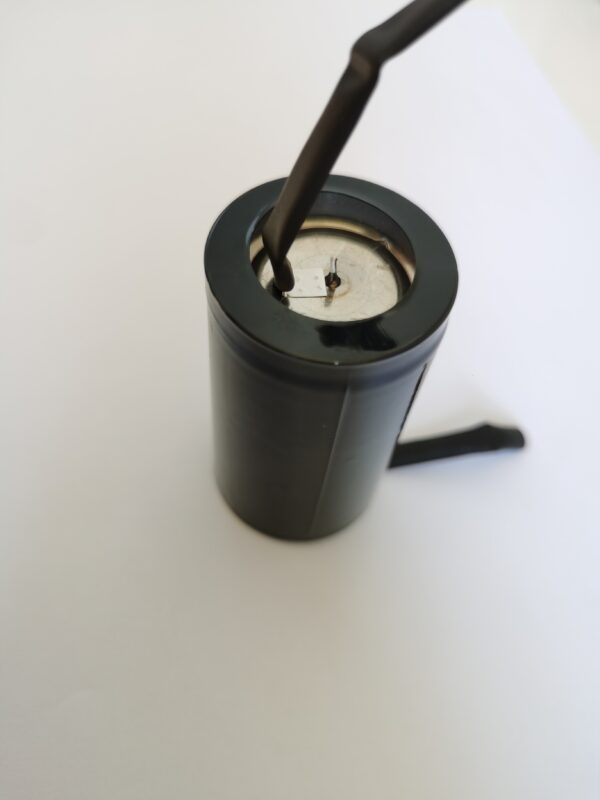
Lithium Battery for Bulgaria Smart Meter Market
The Bulgarian smart metering infrastructure is undergoing significant transformation in 2026, driven by EU regulatory frameworks and national energy modernization initiatives. For technical professionals and procurement specialists evaluating power solutions, understanding the specific requirements for lithium primary batteries in this market is essential for ensuring long-term reliability and compliance.
Market Context and Regulatory Landscape
Bulgaria, as an EU member state, must comply with the EU Battery Regulation that entered substantive enforcement in 2026. This regulation introduces stringent requirements for battery documentation, carbon footprint tracking, and the Battery Passport system for applicable categories. While smart meter batteries typically fall below the 2kWh threshold for full Battery Passport requirements, manufacturers must still ensure CE marking, UN38.3 transportation certification, and comprehensive technical documentation for market access.
The Bulgarian electricity distribution operators are deploying Advanced Metering Infrastructure (AMI) systems that demand power sources capable of 10-15 year operational lifespans without maintenance. This creates specific technical requirements that only lithium thionyl chloride (Li-SOCl₂) primary batteries can reliably meet.
Technical Specifications for Smart Meter Applications
Voltage and Capacity Requirements
Smart meter communication modules typically operate at 3.6V nominal voltage, making ER-series lithium primary batteries the industry standard. The most common form factors include:
- ER14505 (AA size): 2400-2700mAh capacity, suitable for residential meters with moderate communication frequency
- ER34615 (D size): 14500-19000mAh capacity, designed for industrial meters or high-frequency AMI systems
The open-circuit voltage of 3.66V provides stable power delivery throughout the discharge cycle, with 90% of capacity maintained at near-constant voltage platform before reaching the 2.0V cutoff threshold.
Discharge Characteristics
Smart meter applications require batteries capable of handling both low continuous drain and high pulse currents:
- Continuous current: Typically 0.3-1mA for metering circuits
- Pulse current: Up to 400mA for GSM/GPRS/LoRaWAN communication bursts
- Self-discharge rate: Less than 1% per year at 25°C ambient temperature
The bobbin-type construction of ER-series batteries optimizes energy density for low-drain applications, while spiral-wound variants (ER14505M, ER34615M) support higher pulse currents for advanced communication protocols.
Environmental Performance
Bulgarian climate conditions require batteries to operate across extended temperature ranges:
- Operating temperature: -40°C to +85°C (standard), -55°C to +85°C (extended)
- Storage temperature: -10°C to +45°C recommended
- Humidity resistance: Must withstand Balkan continental climate variations
Lithium thionyl chloride chemistry maintains stable voltage output even at -30°C, critical for outdoor meter installations during winter months.
Compliance and Certification Requirements
For market entry into Bulgaria, lithium primary batteries must meet the following certifications:
- UN38.3: Mandatory for lithium battery transportation (air, sea, ground)
- CE Marking: Demonstrates compliance with EU safety directives
- IEC 60086-4: Primary battery safety standards
- RoHS Compliance: Restriction of hazardous substances
- REACH Registration: Chemical substance documentation
The 2026 IATA Dangerous Goods Regulations require lithium primary batteries to be shipped at appropriate state of charge with proper packaging classification (PI 968 for standalone cells).
Selection Criteria for Technical Procurement
When evaluating battery suppliers for Bulgarian smart meter projects, consider these technical factors:
Capacity Verification: Request discharge curves at actual application current loads, not just standard 1mA test conditions. Real-world AMI systems show varying consumption patterns that affect total service life.
Pulse Performance: For meters with wireless communication modules, verify pulse capability matches your transmission protocol requirements. Spiral-wound constructions offer superior pulse performance compared to bobbin-type cells.
Quality Documentation: Ensure suppliers provide batch-specific test reports, material declarations, and traceability documentation for EU regulatory compliance.
Local Support: Consider suppliers with established distribution channels in Southeast Europe for technical support and warranty service.
Long-Term Reliability Considerations
The total cost of ownership for smart meter batteries extends beyond initial purchase price. Field replacement costs in Bulgaria can exceed €50-80 per meter when accounting for labor, logistics, and service interruption. A premium battery with verified 15-year lifespan typically delivers lower lifecycle costs than lower-priced alternatives with uncertain longevity.
Voltage delay characteristics after extended storage should be evaluated, particularly for meters deployed with pre-installed batteries. Quality Li-SOCl₂ cells minimize passivation effects through optimized electrolyte formulations and electrode processing.
Conclusion
The Bulgarian smart meter market presents significant opportunities for lithium primary battery suppliers who can demonstrate technical excellence, regulatory compliance, and long-term reliability. As AMI deployments accelerate through 2026-2030, the demand for ER-series lithium thionyl chloride batteries will continue growing across residential, commercial, and industrial segments.
For detailed technical specifications and compliance documentation regarding our primary battery solutions for smart meter applications, visit our product page. Our engineering team is available to discuss your specific project requirements and provide customized power solutions for the Bulgarian market. Contact us at https://cnsbattery.com/primary-battery-contact-us/ for technical consultation and quotation support.
Technical Note: All specifications referenced in this article are based on industry-standard Li-SOCl₂ primary battery characteristics. Actual performance may vary based on application conditions and manufacturing specifications.
