
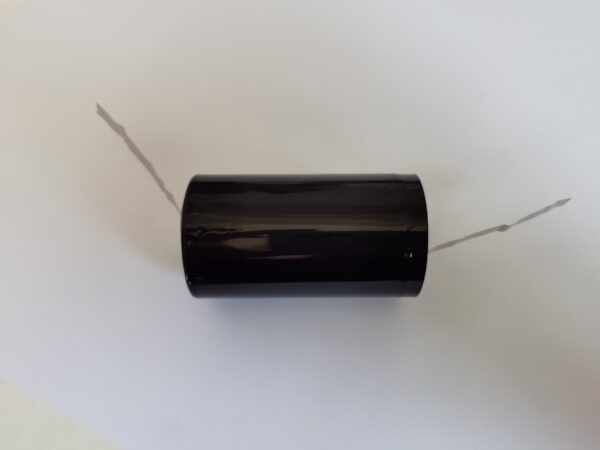
Li-SO₂ Battery for Emergency Personal Locator Beacons (PLB): The Ultimate Power Solution
In the high-stakes world of emergency rescue, Personal Locator Beacons (PLBs) are the last line of defense. When a hiker is stranded in the Rockies or a sailor faces a storm in the North Sea, the PLB must activate instantly and transmit a distress signal for hours. This critical reliability demands a specific type of power source: the Lithium-Thionyl Chloride (Li-SOCl₂) Battery.
As a senior lithium battery expert, I often see engineers struggle to balance energy density, shelf life, and low-temperature performance. The Li-SO₂ battery (often referred to as Li-SOCl₂ in commercial contexts) is not just a component; it is the silent guardian of these devices. In this article, we will dissect why this chemistry is the gold standard for PLBs, analyzing the technical parameters, testing methodologies, and the specific technological barriers that ensure compliance with global standards.
The Technical Core: Why Li-SO₂ Dominates Emergency Devices
The acronym Li-SOCl₂ stands for Lithium-Thionyl Chloride. This chemistry is categorized as a “Primary Battery,” meaning it is non-rechargeable. For PLBs, this is a feature, not a bug.
1. Unmatched Energy Density
PLBs are often clipped to life vests or carried in backpacks. Size and weight matter. Li-SOCl₂ batteries boast one of the highest energy densities among commercial batteries (up to 710 Wh/kg). This allows manufacturers to design compact units that can still transmit a 5-watt signal for the mandatory 24+ hours required by international standards (like Cospas-Sarsat).
2. The “Sleeping Giant” Shelf Life
A PLB might sit in a drawer for a decade before it is ever needed. Standard lithium-ion batteries lose charge rapidly when idle. In contrast, a high-quality Li-SOCl₂ battery has an annual self-discharge rate of less than 1%. This translates to a shelf life of 10-15 years without maintenance, ensuring the device is ready the moment it is activated.
3. Extreme Environment Resilience
Whether it is the freezing temperatures of the Arctic (-55°C) or the scorching heat of the desert (+85°C), the Li-SOCl₂ chemistry remains stable. This is crucial because a battery failure due to temperature is not an option when lives are on the line.
Parameter Deep Dive: Decoding the Specs
When sourcing batteries for a PLB, engineers must look beyond the voltage. Here is a breakdown of the critical parameters:
- Nominal Voltage: 3.6V. This is higher than standard alkaline batteries, providing the necessary “kick” to power the RF transmitter.
- Pulse Discharge Capability: PLBs do not draw a constant current; they send out high-power pulses. The battery must handle these pulses without voltage delay.
- Passivation Layer Management: This is the most complex technical hurdle. Over time, a layer forms on the lithium anode (passivation). When the PLB is activated, this layer must be “broken” instantly to deliver power. Inferior batteries suffer from “voltage delay,” where the voltage drops momentarily after activation, potentially causing the PLB to fail its self-test.
Testing Methodology:
To ensure reliability, rigorous testing is applied:
- High-Temperature Storage Test: Batteries are stored at 60°C for 3 months to simulate long-term aging.
- Pulse Load Simulation: Mimicking the actual transmission cycle of the PLB (e.g., 5W pulse every 50 minutes).
- Low-Temperature Performance: Testing at -40°C to verify the absence of voltage delay.
The Technological Barrier: From Raw Material to Safety
Producing a battery for life-saving equipment is not a simple manufacturing process; it is a feat of chemical engineering. The “technological barrier” lies in the purity of the electrolyte and the precision of the electrode assembly.
1. Electrolyte Purity
Impurities in the Thionyl Chloride (SOCl₂) can lead to gas generation or internal short circuits. Top-tier manufacturers utilize ultra-dry production environments (dew point below -40°C) to prevent moisture contamination, which is the enemy of lithium metal.
2. Pulse Technology
To solve the “voltage delay” issue, advanced manufacturers utilize patented pulse technology or modified carbon cathodes. This ensures that even after 10 years of storage, the battery responds instantly when the user pulls the pin on the PLB.
3. Safety Mechanisms
Unlike consumer electronics, a PLB battery must never vent or explode, even under fault conditions. This requires robust safety vents and pressure relief systems designed to handle over-pressure scenarios safely.
Geographical Adaptation: Meeting Global Standards
While the core chemistry is universal, the certification requirements vary by region. As a global supplier, adapting to these geographical standards is a testament to technical capability.
- European Union (CE / RoHS): The battery must be free of hazardous substances (Lead, Mercury, Cadmium). Furthermore, the packaging and labeling must comply with the latest EU battery directives. A PLB destined for the European market must prove its environmental safety without compromising performance.
- United States (FCC / UL): The focus here is on safety and electromagnetic compatibility. The battery must pass UL 1642 (Standard for Safety of Lithium Batteries) to be integrated into devices sold in the US market.
- Global Maritime (IMO / IEC): For marine PLBs, the International Maritime Organization (IMO) has specific requirements regarding buoyancy and corrosion resistance, which directly impact the battery casing design.
Conclusion: The CNS Battery Advantage
Choosing a battery for an Emergency Personal Locator Beacon is not a decision to be taken lightly. It requires a partner who understands the nuances of Primary Battery technology and the harsh realities of emergency scenarios.
CNS Battery stands as a leader in this field. With a manufacturing base located in Zhengzhou, China, CNS has mastered the technological barriers of Li-SOCl₂ chemistry. Their products are engineered to meet the stringent demands of engineers and procurement managers worldwide, ensuring compatibility with both EU and US technical standards.
If you are developing or sourcing PLBs, you need a battery that sleeps for a decade and wakes up to save a life. To learn more about their high-reliability solutions, visit the Primary Battery Product Page. For specific technical inquiries or procurement needs, their engineering team is ready to assist at the Contact Us page.
