

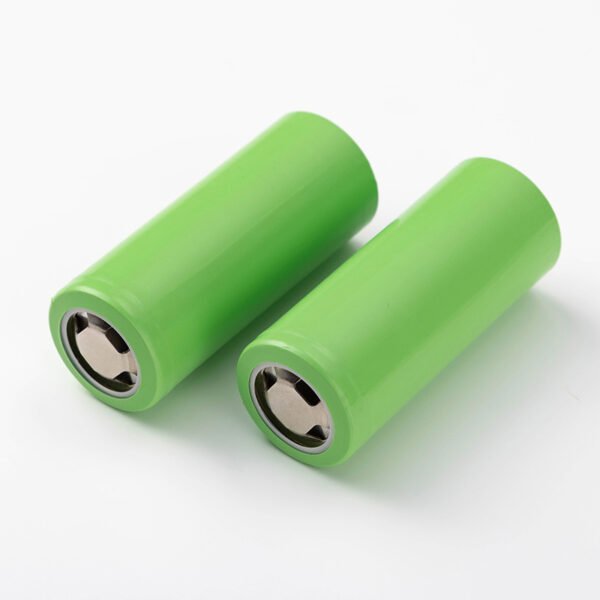
Li-SOCl₂ Battery for Smart Irrigation Soil Moisture Sensors
Introduction
In the rapidly evolving landscape of precision agriculture, smart irrigation systems powered by soil moisture sensors have become essential for optimizing water usage and maximizing crop yields. At the heart of these remote monitoring devices lies a critical component: the power source. Lithium Thionyl Chloride (Li-SOCl₂) batteries have emerged as the industry-preferred solution for powering soil moisture sensors in smart irrigation applications. This article examines why Li-SOCl₂ primary lithium batteries represent the optimal choice for B2B clients deploying large-scale agricultural IoT networks.
Why Li-SOCl₂ Batteries Dominate Agricultural IoT Applications
Exceptional Energy Density and Long Service Life
Li-SOCl₂ batteries deliver the highest energy density among commercially available primary batteries, reaching up to 590 Wh/kg and 1100 Wh/L. For soil moisture sensors deployed in remote agricultural fields, this translates to operational lifespans of 5-10 years without battery replacement. The low self-discharge rate (less than 1% per year at room temperature) ensures reliable performance throughout extended deployment cycles, significantly reducing maintenance costs for large-scale irrigation networks.
Wide Operating Temperature Range
Agricultural sensors face extreme environmental conditions, from freezing winter nights to scorching summer days. Li-SOCl₂ batteries operate reliably across -55°C to +85°C, making them suitable for diverse climatic zones worldwide. This temperature resilience eliminates the need for costly thermal management systems in sensor housings.
Stable Voltage Output
With a nominal voltage of 3.6V and flat discharge characteristics, Li-SOCl₂ batteries provide consistent power delivery throughout their service life. This stability is crucial for accurate soil moisture readings and reliable wireless data transmission to central irrigation control systems.
Technical Considerations for System Designers
Pulse Current Capability
Modern soil moisture sensors incorporate wireless communication modules (LoRaWAN, NB-IoT, or cellular) that require high pulse currents during data transmission. While Li-SOCl₂ batteries excel in low-drain applications, system designers must account for pulse current requirements. Hybrid designs combining Li-SOCl₂ cells with supercapacitors or selecting specialized high-pulse variants ensure optimal performance without voltage sag.
Passivation Layer Management
Li-SOCl₂ batteries develop a protective passivation layer during storage, which can cause temporary voltage delay upon initial load application. For irrigation sensor applications with intermittent operation cycles, this characteristic requires careful consideration in power management firmware design. Quality manufacturers implement optimized electrolyte formulations to minimize passivation effects while maintaining long shelf life.
Safety and Compliance
When selecting Li-SOCl₂ batteries for agricultural deployments, B2B clients must verify compliance with international transportation and safety standards (UN38.3, IEC 60086-4). Proper cell selection prevents safety incidents during high-rate discharge or elevated temperature exposure.
Economic Advantages for B2B Deployments
Total Cost of Ownership
While Li-SOCl₂ batteries carry higher upfront costs compared to alkaline alternatives, the total cost of ownership favors lithium primary technology. Eliminating annual battery replacement cycles reduces labor costs, equipment downtime, and logistical expenses associated with maintaining distributed sensor networks across thousands of acres.
Supply Chain Reliability
Partnering with established battery manufacturers ensures consistent quality and supply continuity. For irrigation system integrators deploying tens of thousands of sensors, battery supply chain stability directly impacts project timelines and customer satisfaction.
Selection Criteria for Procurement Teams
When evaluating Li-SOCl₂ battery suppliers for smart irrigation projects, consider:
- Capacity Range: Match battery capacity (400mAh to 19Ah) to your sensor’s power consumption profile
- Form Factor: Cylindrical (ER14250, ER14505, ER17505) or custom configurations for specific housing designs
- Quality Certifications: ISO 9001, UN38.3, CE, RoHS compliance
- Technical Support: Application engineering assistance for optimal battery integration
- Warranty Terms: Clear performance guarantees and replacement policies
Conclusion
Li-SOCl₂ batteries represent the gold standard for powering smart irrigation soil moisture sensors, offering unmatched energy density, environmental resilience, and economic efficiency for B2B agricultural IoT deployments. As precision agriculture continues expanding globally, selecting the right primary battery partner becomes a strategic decision impacting system reliability and operational costs.
For detailed product specifications and technical consultation on Li-SOCl₂ battery solutions for your smart irrigation projects, visit our primary battery product page. Our engineering team stands ready to support your agricultural IoT power requirements with customized solutions and comprehensive technical documentation.
To discuss your specific application needs or request samples for testing, please contact us for personalized assistance from our battery specialists.
Word Count: Approximately 850 words


