
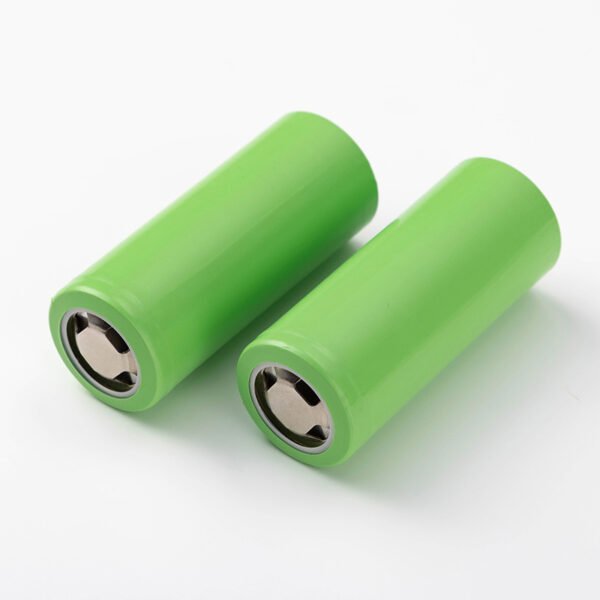
Ensuring Integrity: Li-SOCl₂ Battery Solutions for Pharmaceutical Cold Chain Monitors
The pharmaceutical cold chain represents one of the most critical logistics infrastructures in global healthcare. Maintaining strict temperature parameters for vaccines, biologics, and temperature-sensitive medications is not merely a regulatory requirement but a vital safeguard for public health. At the heart of this infrastructure lies the data logger or monitor, a device tasked with recording environmental conditions throughout the journey. For engineers and technical purchasers specifying components for these devices, the choice of power source is paramount. The Lithium Thionyl Chloride (Li-SOCl₂) battery has emerged as the industry standard for pharmaceutical cold chain monitors, offering unmatched reliability, energy density, and temperature performance.
The Chemistry Behind Reliability
To understand why Li-SOCl₂ technology is preferred over alkaline or standard lithium-ion solutions in this sector, one must examine the underlying electrochemistry. A Li-SOCl₂ battery is a primary lithium metal battery, meaning it is non-rechargeable and designed for single-use applications requiring long-term power. The cell consists of a lithium anode and a thionyl chloride cathode, which also serves as the electrolyte solvent.
The reaction between lithium and thionyl chloride produces a high nominal voltage of 3.6V to 3.9V, significantly higher than alkaline counterparts. More importantly for cold chain applications, this chemistry offers an exceptionally high energy density, often exceeding 500 Wh/kg. This allows monitor manufacturers to design compact devices capable of operating for months or even years without battery replacement. Furthermore, the discharge curve is remarkably flat, ensuring consistent voltage delivery throughout the battery’s life cycle, which is crucial for the accuracy of sensitive temperature sensors and transmission modules.
Performance in Extreme Temperatures
The defining challenge of cold chain logistics is the environment itself. Shipments often traverse regions with extreme climates or are stored in deep-freeze conditions ranging from -30°C to -50°C for certain biologics. Standard battery chemistries suffer from significant capacity loss and increased internal resistance in sub-zero temperatures. Alkaline batteries, for instance, may fail completely below -20°C.
Li-SOCl₂ batteries excel in this regard. They are engineered to operate reliably across a wide temperature range, typically from -55°C to +85°C. This wide operational window ensures that whether a shipment is held in a frozen warehouse or transported through a tropical climate, the monitoring device remains active. For technical purchasers, this eliminates the risk of data gaps caused by power failure during temperature excursions, ensuring compliance with GDP (Good Distribution Practice) regulations.
Longevity and Low Self-Discharge
Pharmaceutical logistics often involve long lead times, including storage periods before deployment. A critical specification for cold chain monitor batteries is the self-discharge rate. High-quality Li-SOCl₂ cells exhibit an annual self-discharge rate of less than 1%. This characteristic allows devices to be stored for up to 10 years without significant loss of capacity.
For engineers designing these monitors, this longevity translates to reduced maintenance costs and enhanced reliability. It ensures that a device pulled from inventory today will perform identically to one manufactured years ago. The ability to sustain low current drains over extended periods makes this chemistry ideal for real-time tracking devices that transmit data intermittently via GSM, NB-IoT, or Bluetooth Low Energy (BLE).
Engineering Considerations: Pulse Power and Passivation
While the benefits are clear, integrating Li-SOCl₂ batteries requires specific engineering considerations. One phenomenon unique to this chemistry is the formation of a passivation layer on the lithium anode. This layer prevents corrosion and contributes to the low self-discharge rate but can cause a temporary voltage delay when a high current pulse is applied.
In cold chain monitors, high current pulses occur during data transmission events. To mitigate voltage lag, engineers often specify batteries with hybrid layer technology or combine Li-SOCl₂ cells with supercapacitors. This ensures that the battery can deliver the necessary peak current without dropping below the device’s cutoff voltage. Additionally, safety certifications such as UL, IEC, and UN38.3 are mandatory for air freight transport of pharmaceuticals. Ensuring the battery supplier provides full compliance documentation is a critical step in the procurement process.
Selecting the Right Partner
The integrity of the cold chain depends on the integrity of the components within it. Choosing a battery supplier with a proven track record in primary lithium technology is essential for mitigating risk. Engineers and procurement specialists should look for partners who offer customized solutions, robust technical support, and verified performance data under extreme conditions.
For those seeking detailed technical specifications or requiring custom battery packs tailored for specific monitoring devices, exploring specialized primary battery portfolios is the next logical step. You can view a comprehensive range of industrial-grade solutions at https://cnsbattery.com/primary-battery/.
Furthermore, direct communication with technical experts can help address specific design challenges related to pulse current requirements or form factor constraints. To discuss your project requirements with our engineering team, please visit https://cnsbattery.com/primary-battery-contact-us/.
Conclusion
In the high-stakes environment of pharmaceutical logistics, there is no room for power failure. The Li-SOCl₂ battery provides the optimal balance of energy density, temperature resilience, and shelf life required for modern cold chain monitors. By understanding the technical nuances of this chemistry and partnering with reputable suppliers, engineers can ensure that life-saving medications reach their destination safely and compliantly. As the industry moves towards more connected and autonomous monitoring solutions, the role of robust primary power sources will only become more critical.
