
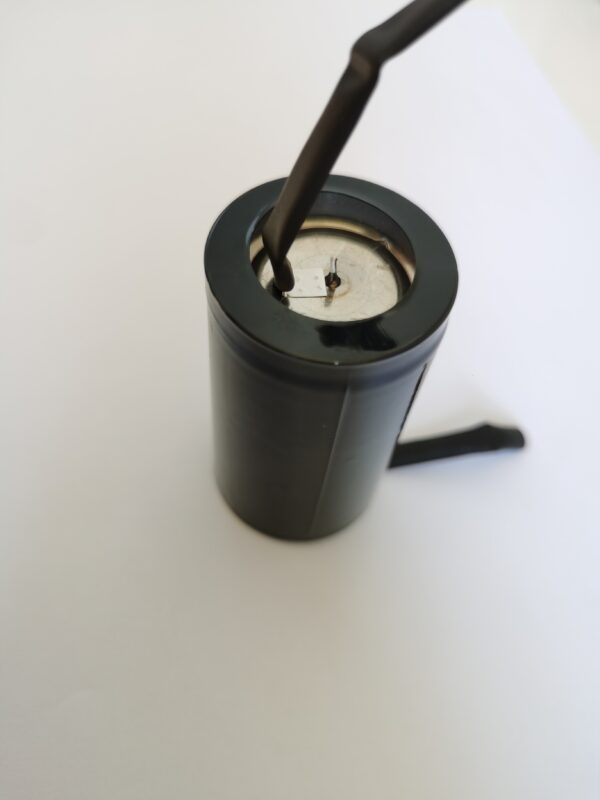
Li-SOCl₂ Battery for Mining Safety Equipment | IECEx Certified
In the high-stakes environment of modern mining operations, safety equipment reliability is not merely a regulatory requirement—it is a critical component of risk management. From underground coal mines to open-pit metal extraction sites, the power sources driving gas detectors, tracking devices, and emergency communication systems must perform flawlessly under extreme conditions. For engineering procurement teams and safety managers, selecting the right battery technology involves balancing energy density, environmental resilience, and strict compliance with international safety standards. Among available options, Lithium Thionyl Chloride (Li-SOCl₂) primary batteries have emerged as the industry standard for long-term, maintenance-free applications, particularly when backed by IECEx certification.
The Technical Case for Li-SOCl₂ in Mining
Mining environments present unique challenges: wide temperature fluctuations, high humidity, vibration, and prolonged periods of inactivity followed by critical usage. Li-SOCl₂ chemistry offers distinct advantages over alkaline or lithium-ion alternatives in these scenarios.
- High Energy Density: Li-SOCl₂ batteries provide the highest energy density among commercial primary batteries, typically ranging from 500 to 700 Wh/kg. This allows safety devices to operate for years without replacement, reducing maintenance intervals in hard-to-reach locations.
- Wide Operating Temperature Range: These batteries function reliably from -55°C to +85°C. In deep-shaft mining where temperatures can drop significantly or in surface operations exposed to direct sunlight, this thermal stability ensures consistent voltage output.
- Low Self-Discharge Rate: With an annual self-discharge rate of less than 1%, Li-SOCl₂ batteries can be stored for up to 10 years while retaining most of their capacity. This is crucial for emergency equipment that may sit idle until needed.
- Stable Voltage Platform: The flat discharge curve ensures that sensitive electronic sensors in gas detectors receive stable power throughout the battery’s life, preventing false readings near the end of life.
Understanding IECEx Certification for Hazardous Areas
The most critical factor in procuring batteries for mining safety equipment is compliance with explosive atmosphere standards. Mining sites often contain methane gas or combustible dust, classifying them as hazardous areas (Zone 0, 1, 2 for gas; Zone 20, 21, 22 for dust). Equipment used in these zones must prevent ignition sources.
IECEx (IEC System for Certification to Standards for Electrical Equipment for Explosive Atmospheres) is the globally recognized benchmark for such compliance. Unlike regional certifications, IECEx facilitates international acceptance, particularly in key mining regions like Australia, Southeast Asia, the Middle East, and Africa.
For a Li-SOCl₂ battery to be IECEx certified, it undergoes rigorous testing under IEC 60079 series standards. The certification process validates:
- Intrinsic Safety (Ex i): Ensuring the battery cannot release sufficient energy to ignite a specific hazardous atmospheric mixture.
- Quality Assessment Report (QAR): Verifying that the manufacturing process consistently produces safe units.
- Ex Test Report (ExTR): Documenting the technical compliance of the specific battery model.
When sourcing batteries, procurement officers must verify the IECEx Certificate of Conformity (CoC). A valid certificate includes a unique number searchable on the official IECEx website. Certificates marked with “X” indicate special conditions for safe use, which must be adhered to during installation.
Real-World Applications in Mining Safety
The integration of IECEx certified Li-SOCl₂ batteries spans several critical safety systems:
- Personal Gas Monitors: Portable devices detecting CO, H₂S, or CH₄ require compact, long-lasting power. Li-SOCl₂ batteries enable these devices to run for 12-24 months on a single charge, ensuring miners are protected throughout their shifts without daily recharging hassles.
- Asset Tracking and Personnel Location Systems: In underground mines, real-time location systems (RTLS) tags rely on batteries that can withstand shock and vibration. The robust construction of industrial-grade Li-SOCl₂ cells supports RFID and wireless transmission modules in harsh conditions.
- Emergency Lighting and Signage: Backup power for escape route lighting must remain viable after years of dormancy. The low self-discharge characteristic of Li-SOCl₂ ensures these systems activate immediately during power failures.
Procurement and Logistics Considerations for 2026
As we navigate 2026, supply chain compliance has become as important as technical specifications. Recent updates to dangerous goods transport regulations, particularly for air freight, impose stricter limits on the State of Charge (SoC) for lithium batteries. While Li-SOCl₂ batteries are primary (non-rechargeable) and generally shipped at full capacity, proper classification under UN 3090 (Lithium metal batteries) is mandatory.
Key Procurement Checklist:
- Verify Certification: Request the latest IECEx CoC and ensure it covers the specific battery model and intended hazardous zone.
- Check Manufacturing Quality: Ensure the supplier maintains a valid QAR, indicating ongoing factory surveillance.
- Logistics Compliance: Confirm the supplier handles UN 38.3 testing and provides proper Dangerous Goods Declaration documentation to avoid shipping delays.
- Customization: Mining equipment often requires specific terminals or dimensions. Work with suppliers capable of offering customized packs without compromising certification.
For engineering teams seeking reliable power solutions that meet these rigorous standards, exploring a dedicated range of industrial primary cells is the first step. You can view our comprehensive selection of certified industrial batteries at https://cnsbattery.com/primary-battery/.
Conclusion
In the mining sector, the cost of battery failure extends beyond replacement expenses—it risks human safety and operational continuity. Li-SOCl₂ technology, when validated by IECEx certification, offers the optimal balance of longevity, safety, and compliance for hazardous environment equipment. By prioritizing certified power sources and adhering to updated logistics regulations, mining companies can ensure their safety infrastructure remains robust and reliable.
For technical consultations or to request certification documents for your next project, please reach out to our specialist team via https://cnsbattery.com/primary-battery-contact-us/. Ensuring power safety is a partnership, and choosing the right certified components is the foundation of that trust.
