
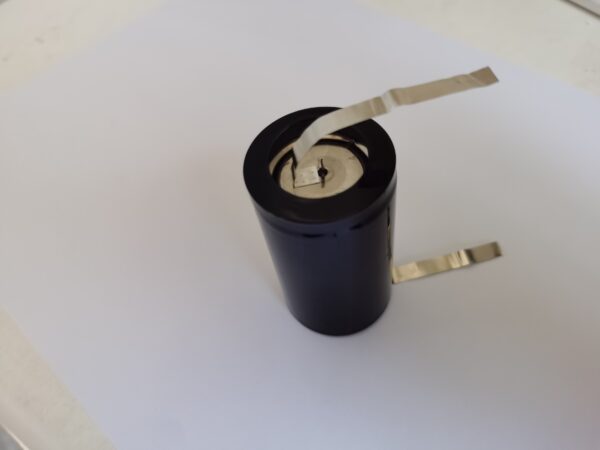
Li-SOCl₂ Battery for Industrial Temperature Transmitters
Powering Precision: Why Lithium Thionyl Chloride Remains the Gold Standard for Industrial Temperature Monitoring
In the demanding landscape of industrial automation, temperature transmitters operate in environments where reliability cannot be compromised. From oil refineries to pharmaceutical manufacturing facilities, these critical devices require power sources capable of delivering consistent performance across extreme conditions. Lithium Thionyl Chloride (Li-SOCl₂) primary batteries have emerged as the definitive solution for this application segment, offering unmatched energy density, extended shelf life, and exceptional temperature tolerance that alternative chemistries simply cannot match.
Technical Advantages of Li-SOCl₂ Chemistry in Temperature Transmitter Applications
1. Exceptional Energy Density and Long Service Life
Li-SOCl₂ batteries deliver volumetric energy density exceeding 500 Wh/L and gravimetric energy density of approximately 280 Wh/kg. For industrial temperature transmitters deployed in remote or hard-to-access locations, this translates to operational lifespans of 10-15 years without battery replacement. The electrochemical reaction between lithium anode and thionyl chloride cathode produces a nominal voltage of 3.6V, providing stable power throughout the discharge curve with minimal voltage depression.
2. Wide Operating Temperature Range
Industrial temperature transmitters frequently operate in environments ranging from -55°C to +85°C. Li-SOCl₂ chemistry maintains reliable performance across this entire spectrum, unlike alkaline or lithium manganese dioxide alternatives that experience significant capacity loss at temperature extremes. The electrolyte system (LiAlCl₄ in SOCl₂) remains stable and conductive even at sub-zero temperatures, ensuring uninterrupted data transmission in cold chain monitoring, Arctic pipeline installations, or high-heat processing facilities.
3. Low Self-Discharge Rate
With annual self-discharge rates below 1% under proper storage conditions, Li-SOCl₂ batteries retain over 90% of their initial capacity after a decade of storage. This characteristic is particularly valuable for technical procurement teams managing inventory for large-scale industrial deployments, reducing waste and ensuring backup power sources remain viable when needed.
4. Hermetic Sealing and Safety Features
Industrial-grade Li-SOCl₂ cells feature glass-to-metal hermetic seals that prevent electrolyte leakage and moisture ingress. This construction meets stringent safety standards including UL, IEC, and UN transportation requirements. For temperature transmitters installed in hazardous locations (Class I Div 2, ATEX Zone 2), properly certified Li-SOCl₂ batteries eliminate ignition risks while maintaining operational integrity.
Critical Selection Criteria for Engineering Teams
When specifying Li-SOCl₂ batteries for temperature transmitter applications, engineering professionals should evaluate the following parameters:
- Capacity Requirements: Calculate total energy consumption based on transmission frequency, sensor sampling rate, and wireless protocol (WirelessHART, ISA100, LoRaWAN)
- Pulse Current Capability: Some transmitter designs require high-current pulses for radio transmission; select bobbin-type or spiral-wound construction accordingly
- Voltage Cut-off Specifications: Ensure battery end-voltage aligns with transmitter minimum operating voltage (typically 2.0-2.5V)
- Certification Compliance: Verify UL 1642, IEC 60086-4, and region-specific certifications for target deployment markets
- Manufacturer Quality Systems: ISO 9001 certification and traceability documentation ensure consistent cell performance across production batches
Addressing Common Technical Concerns
Passivation Layer Management: Li-SOCl₂ batteries naturally form a protective lithium chloride layer on the anode surface. While this reduces self-discharge, it can cause temporary voltage delay upon initial load application. Quality manufacturers implement controlled passivation processes to balance shelf life with immediate performance requirements.
Safety Considerations: Proper handling protocols must be followed during installation. Short-circuit protection, reverse polarity prevention, and appropriate fuse integration protect both the battery and transmitter electronics from fault conditions.
Partnering with Reliable Battery Suppliers
For global industrial deployments, establishing relationships with qualified Li-SOCl₂ battery manufacturers ensures consistent supply, technical support, and certification documentation. Professional suppliers provide application engineering assistance, custom terminal configurations, and batch testing reports essential for quality assurance processes.
Explore comprehensive primary battery solutions and technical specifications at CNS Battery Primary Battery Products. Our engineering team supports industrial customers with application-specific recommendations, certification documentation, and global logistics coordination.
For detailed technical consultations, customization requirements, or volume procurement inquiries, contact our specialist team directly at Primary Battery Contact Us. We provide comprehensive support for temperature transmitter manufacturers, system integrators, and end-user facilities requiring reliable long-term power solutions.
Conclusion
Li-SOCl₂ battery technology continues to define the benchmark for industrial temperature transmitter applications. With superior energy density, exceptional temperature tolerance, and proven field performance spanning decades, this chemistry remains the optimal choice for engineers and procurement professionals prioritizing reliability over initial cost considerations. As industrial IoT deployments expand globally, the demand for maintenance-free, long-life power sources will only intensify—positioning Li-SOCl₂ batteries as indispensable components in the industrial automation infrastructure of tomorrow.
