
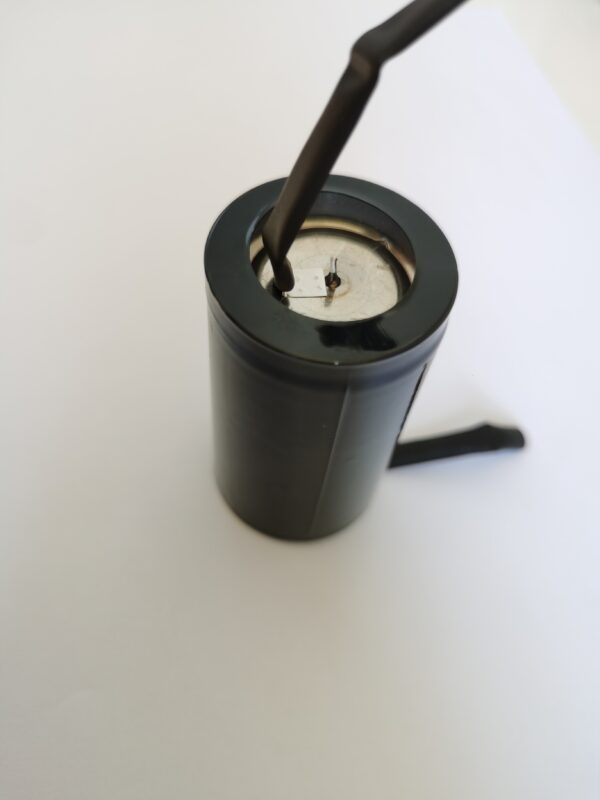
Li-SOCl₂ Battery for Cat-M1 Cellular IoT Devices: A Practical Guide for B2B Buyers
The rapid expansion of cellular IoT networks has positioned Cat-M1 (LTE Category M1) as a cornerstone technology for low-power, wide-area connectivity. As enterprises deploy millions of IoT endpoints across smart metering, asset tracking, and industrial monitoring applications, power source selection becomes a critical decision point. Lithium Thionyl Chloride (Li-SOCl₂) batteries have emerged as the preferred primary battery chemistry for Cat-M1 devices, offering unmatched energy density and extended operational life.
Technical Advantages for Cat-M1 Applications
Li-SOCl₂ batteries deliver nominal voltage of 3.6V with energy density reaching 590 Wh/kg, significantly outperforming alternative chemistries. Cat-M1 modules typically operate in sleep mode consuming microamps, with periodic transmission pulses requiring 100-150mA current spikes. The bobbin-type Li-SOCl₂ construction excels in this profile, providing 10-15 year shelf life with minimal self-discharge (less than 1% annually at 20°C).
For pulse-heavy Cat-M1 workloads, hybrid designs combining bobbin cells with supercapacitors or spiral-wound configurations address voltage delay concerns during high-current transmission bursts. Operating temperature ranges from -55°C to +85°C ensure reliability across diverse deployment environments, from Arctic sensors to desert monitoring stations.
Compliance and Regulatory Requirements
International shipping and deployment of Li-SOCl₂ batteries require strict adherence to UN38.3 transportation standards. This certification mandates eight safety tests including altitude simulation, thermal cycling, vibration, shock, external short circuit, impact, overcharge, and forced discharge. Every battery model must pass these tests before air, sea, or ground transport.
For European markets, CE marking under RED (Radio Equipment Directive) 2014/53/EU applies when batteries integrate with wireless modules. North American deployments require UL 1642 or IEC 60086-4 compliance. Australian importers must note the Cyber Security (Security Standards for Smart Devices) Rules 2025, which indirectly affects battery documentation requirements for connected devices.
REACH and RoHS compliance ensures chemical safety for environmental regulations. B2B buyers should request complete compliance documentation packages including UN38.3 test reports, MSDS (Material Safety Data Sheets), and transport classification certificates before procurement.
Procurement Considerations for Enterprise Buyers
Capacity Matching: Cat-M1 devices typically consume 5-10μA in deep sleep with 2-3 daily transmissions. Calculate total capacity requirements using: (Sleep Current × Hours + Transmission Current × Transmission Duration × Daily Cycles) × Expected Years × 365. Add 20-30% margin for temperature effects and aging.
Pulse Current Capability: Verify battery specifications support peak currents of 100-200mA for 1-3 seconds during network registration and data transmission. Request pulse discharge curves from suppliers rather than relying solely on capacity ratings.
Quality Assurance: Establish incoming inspection protocols including voltage verification, dimensional checks, and sample discharge testing. Reputable manufacturers provide batch traceability and maintain ISO 9001 quality management systems.
Supply Chain Security: Diversify suppliers across geographic regions to mitigate disruption risks. Verify manufacturer capacity and lead times, particularly for custom form factors. Consider 12-18 month inventory planning for large-scale deployments.
Total Cost of Ownership: While Li-SOCl₂ batteries carry higher upfront costs than alkaline alternatives, the 10+ year operational life eliminates replacement expenses and maintenance visits. Calculate TCO including installation labor, device retrieval, and potential service interruptions.
Integration Best Practices
Work with module vendors to optimize power management firmware. Implement adaptive transmission scheduling based on battery voltage monitoring. Design battery compartments for easy field replacement where device retrieval is feasible, though Li-SOCl₂ longevity often makes this unnecessary.
Temperature compensation algorithms extend effective capacity in extreme environments. Avoid parallel battery configurations without proper isolation diodes to prevent cross-discharge. Include battery voltage reporting in device telemetry for predictive maintenance planning.
Conclusion
Li-SOCl₂ batteries represent the optimal power solution for Cat-M1 IoT deployments requiring decade-long autonomy. Success depends on proper capacity sizing, compliance verification, and supplier qualification. Enterprise buyers should prioritize manufacturers with proven track records in cellular IoT applications and comprehensive documentation support.
For detailed product specifications and technical consultation, visit our primary battery product page. Our engineering team provides application-specific recommendations and compliance documentation for global deployments. Contact us directly at https://cnsbattery.com/primary-battery-contact-us/ for customized solutions matching your Cat-M1 device requirements.
Investing in quality Li-SOCl₂ power sources today ensures reliable IoT operations throughout the device lifecycle, reducing total cost of ownership and minimizing field service requirements across your connected infrastructure.
