
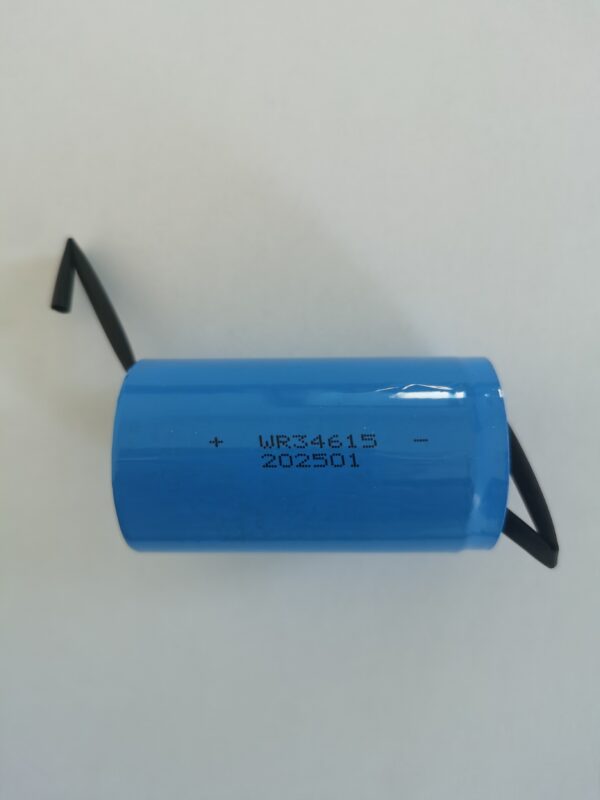
Li-SOCl₂ Battery for Automotive ECU Real Time Clock Backup: A Technical Guide for Engineering Teams
Introduction
In modern automotive electronics, maintaining accurate timekeeping data during vehicle power-off states is critical for Electronic Control Units (ECUs). The Lithium Thionyl Chloride (Li-SOCl₂) battery has emerged as the industry-preferred solution for Real Time Clock (RTC) backup applications, offering exceptional energy density, ultra-low self-discharge rates, and reliable performance across extreme temperature ranges. This article examines the technical advantages, selection criteria, and implementation considerations for Li-SOCl₂ batteries in automotive ECU backup systems.
Why Li-SOCl₂ Chemistry Dominates Automotive RTC Applications
Li-SOCl₂ primary lithium batteries utilize a lithium metal anode and thionyl chloride cathode, producing a nominal voltage of 3.6V. The electrochemical reaction generates power through lithium oxidation while thionyl chloride serves as both cathode active material and electrolyte solvent. This unique chemistry delivers several advantages essential for automotive backup applications:
Exceptional Energy Density: With volumetric energy density exceeding 500 Wh/L, Li-SOCl₂ cells provide compact form factors suitable for space-constrained ECU designs.
Ultra-Low Self-Discharge: Annual self-discharge rates below 1% enable 10-15 year operational lifespans, matching vehicle service intervals without maintenance requirements.
Wide Temperature Performance: Operating ranges from -55°C to +85°C (with specialized variants reaching +150°C) ensure reliable function in engine compartments and exterior-mounted ECUs.
Critical Selection Parameters for Automotive Engineers
When specifying Li-SOCl₂ batteries for ECU RTC backup, engineering teams must evaluate multiple technical parameters beyond basic capacity ratings.
Voltage Stability Under Load: RTC circuits typically draw microamp-level currents (1-10 μA), but occasional data logging or communication events may create pulse loads. Bobbin-type Li-SOCl₂ cells excel in low-current continuous discharge, while spiral-wound constructions better accommodate moderate pulse requirements. Engineers should verify voltage depression characteristics under expected load profiles.
Passivation Layer Management: Li-SOCl₂ cells naturally form a lithium chloride passivation film during storage, which protects against self-discharge but causes temporary voltage delay upon initial load application. For RTC applications with continuous minimal drain, this effect remains negligible. However, designs incorporating periodic high-current pulses should account for passivation breakdown requirements.
Leakage Current Compatibility: Modern ECUs incorporate multiple sleep modes with varying quiescent currents. Battery selection must accommodate the total system leakage while maintaining sufficient capacity margin for the target service life. A common industry practice specifies 50% capacity retention at end-of-life to ensure reliable operation.
Automotive Qualification and Reliability Standards
Automotive applications demand rigorous qualification beyond commercial battery specifications. Engineering procurement teams should verify supplier compliance with relevant standards:
- AEC-Q200: Passive component stress testing qualification
- ISO/TS 16949: Automotive quality management system certification
- UN 38.3: Transportation safety testing for lithium batteries
- IEC 60086-4: Primary battery safety and performance standards
Additionally, suppliers should provide comprehensive documentation including lot traceability, failure rate statistics (typically expressed in FITs), and accelerated aging test data correlating to field performance.
Implementation Best Practices
Proper circuit design maximizes Li-SOCl₂ battery performance and longevity in ECU applications:
Reverse Current Protection: Incorporate series diodes or MOSFET-based isolation to prevent battery discharge through main power rails during vehicle operation. Schottky diodes minimize voltage drop while maintaining adequate reverse blocking capability.
Capacitive Buffering: For designs experiencing periodic pulse loads exceeding 10 mA, parallel tantalum or ceramic capacitors (10-100 μF) reduce peak current demand on the battery, minimizing voltage sag and extending service life.
Connector and Contact Design: Gold-plated contacts with appropriate spring force ensure reliable electrical connection throughout the battery’s service life. Consider vibration resistance per automotive environmental testing requirements.
Supply Chain Considerations for Technical Procurement
Long-term availability and consistent quality represent critical factors for automotive program success. When evaluating Li-SOCl₂ battery suppliers, procurement teams should assess:
- Manufacturing capacity and lead time stability
- Raw material sourcing transparency
- Quality control processes and defect rates
- Technical support availability for design-in assistance
- End-of-life notification policies for product discontinuation
Established manufacturers typically offer 10+ year product availability commitments aligned with automotive program lifecycles. For detailed product specifications and technical consultation, visit https://cnsbattery.com/primary-battery/ to explore available Li-SOCl₂ options suitable for automotive applications.
Conclusion
Li-SOCl₂ batteries represent the optimal technical solution for automotive ECU RTC backup applications, combining proven chemistry with performance characteristics matching demanding automotive requirements. Successful implementation requires careful attention to load profiles, environmental conditions, qualification standards, and supply chain reliability. Engineering teams that properly specify and integrate these primary lithium cells achieve maintenance-free timekeeping functionality throughout vehicle service life.
For technical inquiries regarding Li-SOCl₂ battery selection for your specific ECU design requirements, contact our engineering support team at https://cnsbattery.com/primary-battery-contact-us/ for application-specific guidance and sample availability.
