
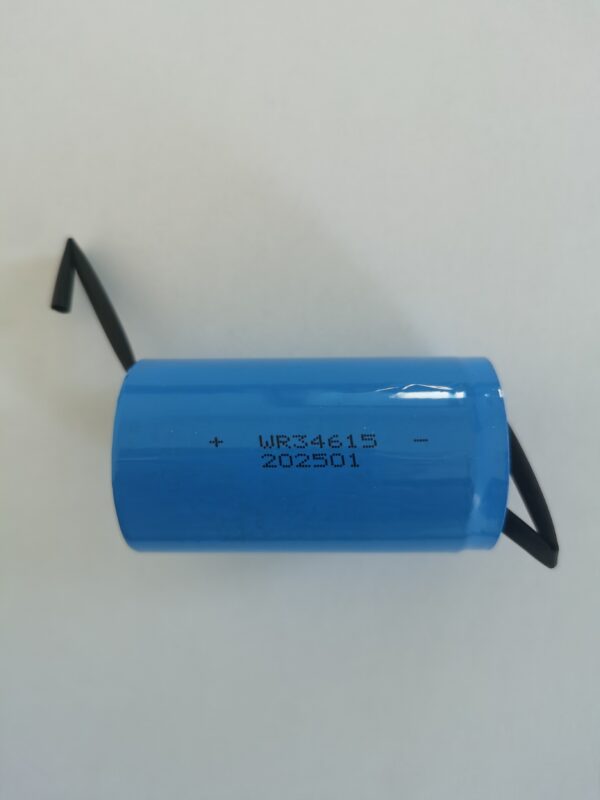
Li-SOCl₂ Battery for Automotive Airbag System Backup Power
In the realm of automotive passive safety, the airbag system stands as a critical last line of defense. Its deployment must be instantaneous and reliable, regardless of the vehicle’s main electrical status. This absolute dependability hinges on a robust backup power source. For decades, the Lithium Thionyl Chloride (Li-SOCl₂) battery has been the industry standard for this application. As a professional practitioner in the lithium metal primary battery sector, I will analyze why Li-SOCl₂ technology remains indispensable for automotive airbag systems and what OEMs should consider when selecting a power solution in 2026.
The Critical Role of Backup Power in Safety Systems
Modern vehicles are increasingly electrified, yet the risk of main power failure during a collision remains. A backup power unit (BU) ensures that the airbag control unit (ACU) receives sufficient energy to deploy restraints even if the vehicle battery is disconnected or damaged. Unlike consumer electronics, automotive safety components operate under extreme conditions: temperatures ranging from -40°C to +85°C (or higher under the hood), prolonged storage periods of up to 10 years, and the need for high-current pulses upon activation.
The Li-SOCl₂ battery is uniquely suited for this environment. Its nominal voltage of 3.6V and high energy density allow for compact module designs, crucial in space-constrained automotive architectures. Furthermore, its extremely low self-discharge rate (less than 1% per year) ensures that the battery retains over 90% of its capacity after a decade of storage, matching the typical lifecycle of a vehicle.
Technical Core: Chemistry and Performance
Understanding the electrochemistry is vital for B2B purchasers. The Li-SOCl₂ cell utilizes lithium metal as the anode and thionyl chloride as both the cathode and electrolyte solvent. This construction provides several advantages over alkaline or Li-MnO₂ alternatives:
- Wide Operating Temperature Range: Airbag systems must function in arctic cold and desert heat. Li-SOCl₂ chemistry maintains stable voltage output across a broad thermal spectrum, ensuring deployment mechanisms activate without delay.
- High Energy Density: With a volumetric energy density significantly higher than other primary batteries, manufacturers can design smaller, lighter backup modules, contributing to overall vehicle weight reduction and fuel efficiency.
- Hermetic Sealing: High-quality cells feature laser-welded hermetic seals, preventing electrolyte leakage and ensuring resistance to humidity and vibration, which are common in automotive environments.
However, technical challenges exist. The formation of a passivation layer (LiCl) on the lithium anode can cause voltage delay upon initial high-current discharge. For airbag applications, this is mitigated through specialized cell design, such as spiral-wound structures or hybrid layering, which reduce internal impedance and allow for the necessary pulse current (often several amperes) required to ignite the squib.
Compliance and Quality Standards in 2026
As automotive safety regulations tighten globally, compliance is non-negotiable. In 2026, standards such as IATF 16949 for automotive quality management are baseline requirements. Manufacturers must also adhere to specific regional safety directives regarding lithium battery transport and disposal. For instance, recent updates in transport regulations emphasize strict state-of-charge controls and packaging for lithium batteries, ensuring safety during the supply chain process.
Reliability testing is paramount. Cells must undergo rigorous validation, including high-temperature storage, thermal shock, vibration, and mechanical shock tests. The consistency of voltage and capacity across thousands of units is critical; a single failure in a production batch can lead to costly recalls and reputational damage. Therefore, partnering with a supplier who maintains traceability from raw materials to finished goods is essential.
Selecting the Right Partner for Automotive Applications
For automotive Tier 1 suppliers and OEMs, the battery is not just a component; it is a safety guarantee. When sourcing Li-SOCl₂ batteries for airbag systems, consider the following:
- Manufacturing Capability: Does the supplier have dedicated automotive production lines with automated quality control?
- Customization: Can they tailor cell dimensions and terminal configurations to fit specific backup module housings?
- Technical Support: A competent partner should offer engineering support for circuit design and battery management integration.
CNS Battery specializes in high-reliability primary lithium batteries designed for demanding industrial and automotive applications. Our commitment to quality ensures that every cell meets the rigorous standards required for safety-critical systems. For detailed specifications and to discuss your project requirements, please visit our primary battery product page.
Conclusion
The Li-SOCl₂ battery remains the gold standard for automotive airbag backup power due to its unparalleled energy density, longevity, and reliability. As vehicles evolve, the demand for safer, more efficient power solutions will only grow. By understanding the technical nuances and prioritizing compliance, automotive manufacturers can ensure their safety systems perform flawlessly when needed most.
For further inquiries regarding custom solutions or technical consultation, please contact us here. Ensuring safety starts with the right power source.
