
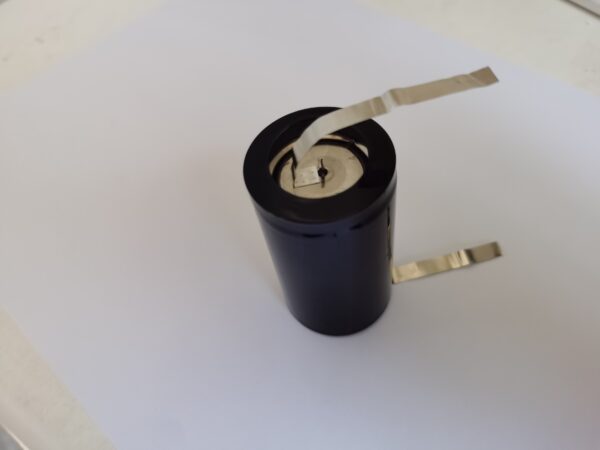
Li-SOCl₂ vs Li-SO₂: Aviation Emergency Battery Guide
In the critical domain of aviation safety, emergency power systems represent the last line of defense when primary electrical systems fail. For aerospace engineers, technical procurement specialists, and aviation maintenance professionals, selecting the appropriate lithium primary battery chemistry for emergency applications demands thorough understanding of electrochemical characteristics, operational parameters, and regulatory compliance requirements. This technical guide provides an in-depth comparison between Lithium-Thionyl Chloride (Li-SOCl₂) and Lithium-Sulfur Dioxide (Li-SO₂) battery systems specifically for aviation emergency power applications.
Fundamental Electrochemical Architecture
Li-SOCl₂ Battery Chemistry
Lithium-Thionyl Chloride batteries employ lithium metal as the anode and carbon as the cathode current collector, with thionyl chloride serving dual functionality as both cathode active material and electrolyte solvent. The electrolyte system typically incorporates LiAlCl₄ dissolved in SOCl₂. The overall discharge reaction follows:
4Li + 2SOCl₂ → 4LiCl + S + SO₂
This chemistry delivers industry-leading specific energy reaching 590 Wh/kg and 1100 Wh/L, making it the highest energy density primary battery system commercially available. Nominal voltage stands at 3.6V with exceptionally flat discharge characteristics throughout most of the service life.
Li-SO₂ Battery Chemistry
Lithium-Sulfur Dioxide batteries utilize lithium anode with sulfur dioxide as the cathode active material. The electrolyte system consists of LiBr dissolved in organic solvents including propylene carbonate and acetonitrile. The discharge reaction proceeds as:
2Li + 2SO₂ → Li₂S₂O₄
These cells operate at approximately 3.0V nominal voltage and excel in high-rate discharge applications with superior power density characteristics compared to Li-SOCl₂ counterparts.
Critical Performance Parameters for Aviation Applications
Energy Density and Capacity Retention
For emergency locator transmitters (ELT), emergency lighting systems, and backup instrumentation, Li-SOCl₂ batteries provide unmatched energy density. The spiral-wound and bobbin-type constructions enable capacity retention exceeding 10 years at ambient temperatures, with self-discharge rates below 1% annually. This characteristic proves essential for aircraft that may remain in service for extended periods between maintenance cycles.
Li-SO₂ batteries, while offering lower specific energy, demonstrate superior performance under high-current pulse conditions. Applications requiring immediate high-power delivery, such as emergency communication system activation, benefit from Li-SO₂’s lower internal impedance and enhanced rate capability.
Temperature Performance Envelope
Aviation emergency systems must function reliably across extreme temperature ranges from -55°C to +85°C. Li-SOCl₂ batteries maintain operational capability across this spectrum, though voltage delay may occur at extreme low temperatures due to passivation layer formation on the lithium anode surface. Advanced cell designs incorporate electrolyte additives to mitigate this phenomenon.
Li-SO₂ chemistry demonstrates exceptional low-temperature performance with minimal voltage delay, making it preferable for aircraft operating in polar routes or high-altitude environments where rapid emergency system activation at extreme cold temperatures proves critical.
Safety and Regulatory Compliance
All lithium primary batteries for aviation applications must comply with UN38.3 transportation testing requirements, encompassing eight test conditions including altitude simulation, thermal testing, vibration, shock, external short circuit, impact, overcharge, and forced discharge. Additionally, compliance with MH/T 1020 aviation lithium battery transportation specifications and MH/T 1052 testing standards ensures regulatory adherence for international operations.
Li-SOCl₂ batteries incorporate multiple safety features including pressure relief vents, thermal fuses, and PTC devices to prevent thermal runaway under fault conditions. The hermetically sealed construction prevents electrolyte leakage throughout the service life. Li-SO₂ batteries require similar safety provisions with additional attention to pressure management due to SO₂’s gaseous state at ambient conditions.
Application-Specific Selection Criteria
Long-Term Standby Applications
For emergency systems requiring decade-long standby with minimal maintenance, Li-SOCl₂ represents the optimal selection. Emergency locator transmitters, backup clock systems, and memory backup applications benefit from the chemistry’s ultra-low self-discharge and stable voltage profile throughout extended storage periods.
High-Pulse Power Requirements
When emergency systems demand immediate high-current delivery, Li-SO₂ batteries provide superior performance. Emergency radio transmitters, flash systems, and actuator backup power applications benefit from the chemistry’s enhanced rate capability and reduced voltage depression under load.
Hybrid System Considerations
Modern aviation emergency power architectures increasingly employ hybrid configurations combining both chemistries. Li-SOCl₂ cells provide baseline standby power while Li-SO₂ or capacitor systems handle peak power demands. This approach optimizes both energy density and power density within constrained aircraft installation envelopes.
Technical Procurement Considerations
When specifying lithium primary batteries for aviation emergency applications, technical procurement teams should verify:
- Complete UN38.3 test certification documentation
- Manufacturing date traceability and shelf-life validation
- Temperature cycling test results per applicable aviation standards
- Voltage delay characterization under expected storage conditions
- End-of-life voltage prediction models for maintenance scheduling
For comprehensive technical specifications and certification documentation on aviation-grade lithium primary batteries, visit our product portfolio. Our engineering team provides application-specific consultation for emergency power system integration.
Conclusion
The selection between Li-SOCl₂ and Li-SO₂ battery chemistries for aviation emergency applications requires careful evaluation of specific operational requirements, environmental conditions, and regulatory constraints. Li-SOCl₂ excels in long-duration standby applications with maximum energy density, while Li-SO₂ provides superior performance for high-power pulse requirements and extreme low-temperature operations. Understanding these fundamental differences enables informed decision-making for aviation safety-critical power systems.
For technical consultation on aviation emergency battery selection and integration support, contact our engineering team at https://cnsbattery.com/primary-battery-contact-us/. Our specialists provide application engineering support ensuring optimal battery system performance throughout your aircraft’s operational lifecycle.
