
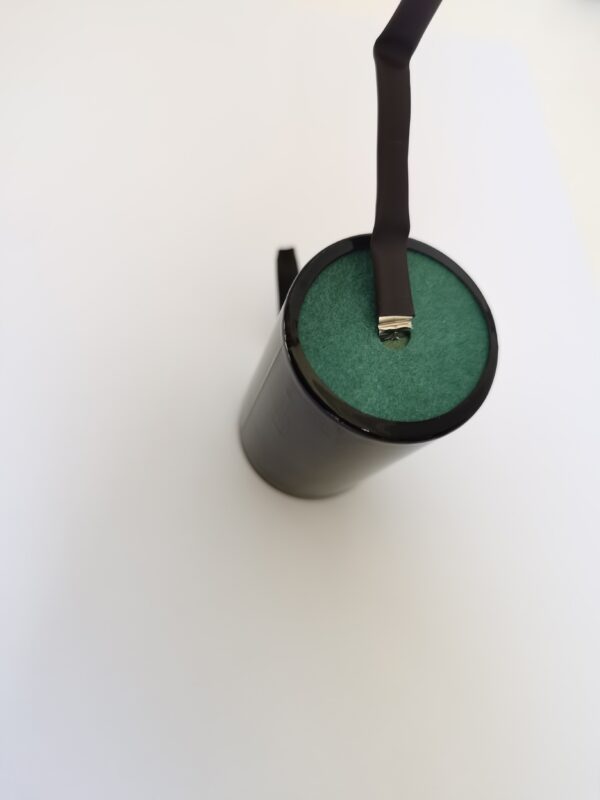
Li-SOCl₂ Battery for Z-Wave Home Automation Devices: Technical Deep Dive for Global Engineers
Introduction
Lithium Thionyl Chloride (Li-SOCl₂) batteries have emerged as the definitive power solution for Z-Wave home automation devices, delivering unmatched energy density and extended operational life. As the smart home market expands across North America, Europe, and Asia-Pacific regions, technical engineers and procurement specialists require comprehensive understanding of Li-SOCl₂ chemistry advantages, performance parameters, and regional compliance standards. This analysis provides actionable insights for selecting optimal primary battery solutions for Z-Wave wireless protocols.
Core Technical Advantages of Li-SOCl₂ Chemistry
Energy Density & Voltage Stability
Li-SOCl₂ cells deliver nominal voltage of 3.6V with exceptional discharge curve flatness throughout 90% of capacity utilization. This characteristic proves critical for Z-Wave devices requiring consistent RF transmission power across 5-10 year deployment cycles. Typical energy density reaches 500-700 Wh/kg, significantly outperforming alkaline and Li-MnO₂ alternatives.
Low Self-Discharge Rate
Annual self-discharge remains below 1% at 25°C ambient conditions, enabling decade-long shelf life without significant capacity degradation. This parameter directly impacts total cost of ownership for large-scale smart home installations across residential and commercial properties.
Wide Temperature Operating Range
Quality Li-SOCl₂ batteries maintain functionality from -55°C to +85°C, accommodating diverse geographical deployments from Scandinavian cold climates to Middle Eastern heat exposure. This temperature resilience ensures Z-Wave mesh network reliability regardless of installation environment.
Critical Performance Parameters for Z-Wave Applications
| Parameter | Specification | Z-Wave Relevance |
|---|---|---|
| Nominal Voltage | 3.6V | Matches Z-Wave module requirements |
| Capacity Range | 1.2Ah – 19Ah | Supports various device power profiles |
| Pulse Current | Up to 100mA | Handles RF transmission bursts |
| Operating Temperature | -55°C to +85°C | Global deployment compatibility |
| Shelf Life | 10+ years | Reduces replacement frequency |
Validation Testing Methodologies
IEC 60086 Compliance Testing
International Electrotechnical Commission standards govern primary lithium battery safety and performance verification. Engineers should request IEC 60086-4 certification documentation for EU market access, ensuring transport safety and environmental compliance under RoHS directives.
UL 1642 Safety Certification
North American deployments require UL 1642 certification for lithium primary cells. This standard validates cell construction safety, preventing thermal runaway risks during abnormal operating conditions. Procurement teams should verify UL certification numbers before bulk purchasing.
Pulse Load Simulation
Z-Wave devices transmit data in short bursts requiring high pulse currents. Testing protocols should simulate actual transmission patterns: 50-100mA pulses lasting 200-500ms at intervals matching device communication schedules. This validates voltage recovery capability after transmission bursts.
Long-Term Discharge Validation
Accelerated aging tests at elevated temperatures (40-60°C) predict 10-year performance under normal conditions. Arrhenius equation modeling enables capacity retention forecasting without decade-long waiting periods.
Regional Compliance & CNS Product Adaptation
European Union Market Requirements
EU deployments demand CE marking compliance with EN 60086 standards, REACH chemical registration, and WEEE disposal directives. Li-SOCl₂ batteries must demonstrate mercury-free composition and recyclable casing materials. CNS products maintain full EU compliance documentation for seamless market entry across Germany, France, and Netherlands smart home sectors.
United States Technical Standards
American installations require FCC Part 15 compliance for RF devices powered by certified battery systems. UL safety certification remains mandatory for insurance and liability protection. CNS battery solutions align with ANSI C18 standards for dimensional compatibility with American device manufacturers.
Asia-Pacific Regional Considerations
Japanese PSE marking and Chinese GB 31241 standards govern battery safety in APAC markets. Temperature humidity testing per JIS C 8714 ensures tropical climate reliability for Southeast Asian smart home deployments.
Technical Barriers & Competitive Differentiation
Premium Li-SOCl₂ manufacturers maintain proprietary electrode coating technologies preventing passivation layer formation during storage. This technical barrier ensures consistent voltage delivery after multi-year idle periods. Additionally, hermetic glass-to-metal sealing prevents electrolyte leakage throughout product lifecycle.
CNS battery engineering teams have developed specialized bobbin-type cell architectures optimized for low-drain Z-Wave sensors while maintaining spiral-wound options for higher pulse current requirements. This dual-technology approach addresses diverse smart home device power profiles across global markets.
Procurement Recommendations
Technical buyers should request comprehensive test reports including capacity verification at 0.5mA continuous discharge, pulse load performance data, and regional certification documentation. Supplier audit trails confirming ISO 9001 quality management systems reduce supply chain risk for large-scale deployments.
For detailed technical specifications and regional compliance documentation, visit CNS Primary Battery Products to explore certified Li-SOCl₂ solutions engineered for Z-Wave home automation applications.
Conclusion
Li-SOCl₂ battery technology represents the optimal power solution for Z-Wave home automation devices requiring decade-long operational life with minimal maintenance. Understanding technical parameters, validation methodologies, and regional compliance requirements enables informed procurement decisions across global markets. Engineers selecting certified batteries with appropriate regional certifications ensure seamless market access while maintaining device reliability throughout product lifecycle.
For technical consultations and customized battery solutions matching your Z-Wave device specifications, contact our engineering team at CNS Battery Contact for region-specific compliance guidance and volume pricing structures.
