
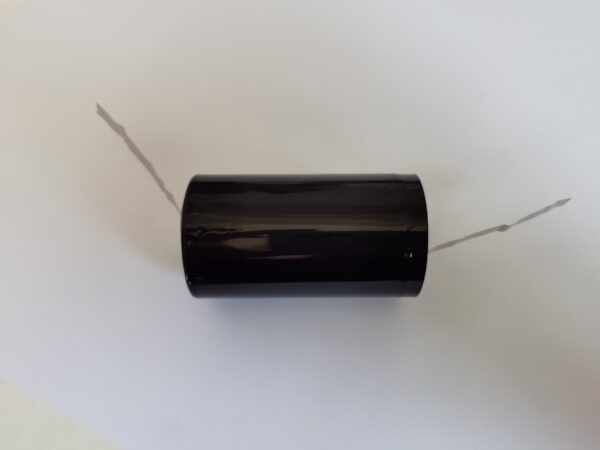
Li-SOCl₂ Battery for HVAC Damper Position Sensors: A Professional Guide for B2B Applications
Introduction
In the rapidly evolving HVAC industry, reliable power solutions for damper position sensors are critical for maintaining optimal building automation and energy efficiency. Lithium Thionyl Chloride (Li-SOCl₂) batteries have emerged as the premier choice for these applications, offering unmatched performance in long-term, low-power deployments. This article examines why Li-SOCl₂ technology is the definitive power solution for HVAC damper position sensors from a professional lithium primary battery manufacturer perspective.
Why Li-SOCl₂ Batteries Excel in HVAC Damper Applications
Exceptional Energy Density and Long Service Life
Li-SOCl₂ batteries deliver the highest energy density among practical primary battery systems, reaching up to 590 Wh/kg. For HVAC damper position sensors that require 10-15 years of continuous operation without maintenance, this translates to minimal replacement cycles and reduced total cost of ownership. The low self-discharge rate (less than 1% per year) ensures reliable performance throughout the battery’s entire service life.
Wide Operating Temperature Range
HVAC systems operate in diverse environments, from freezing mechanical rooms to hot rooftop installations. Li-SOCl₂ batteries function reliably across -55°C to +85°C, making them ideal for all climate zones. This temperature tolerance eliminates power failures during extreme weather conditions that could compromise building automation systems.
Stable Voltage Output
Damper position sensors require consistent voltage for accurate position feedback. Li-SOCl₂ chemistry provides a flat discharge curve at 3.6V nominal voltage, ensuring sensor accuracy throughout the battery lifecycle. This stability is crucial for maintaining precise airflow control in commercial and industrial HVAC systems.
Technical Considerations for B2B Integration
Current Drain Characteristics
HVAC damper sensors typically draw microamp-level current during standby with periodic milliamp pulses during position updates. Li-SOCl₂ batteries handle this pulse-and-standby profile efficiently. However, proper cell selection is essential—bobbin-type cells suit low-drain applications, while spiral-wound designs accommodate higher pulse currents.
Voltage Delay Mitigation
One known characteristic of Li-SOCl₂ chemistry is voltage delay after extended storage. For HVAC applications, this can be managed through proper inventory rotation and pre-installation conditioning. Advanced cell designs with optimized electrolyte formulations minimize this effect, ensuring immediate operational readiness.
Safety and Compliance
Modern Li-SOCl₂ batteries incorporate multiple safety features including pressure relief vents and PTC devices. For B2B customers, compliance with UN 38.3, IEC 60086, and UL standards is non-negotiable. Reputable manufacturers provide complete documentation for regulatory approval processes.
Selection Criteria for HVAC OEMs and System Integrators
When evaluating Li-SOCl₂ batteries for damper position sensors, consider these key factors:
- Capacity Requirements: Calculate based on sensor power consumption and desired service life
- Physical Dimensions: Ensure compatibility with existing sensor housings
- Terminal Configuration: Match connection requirements for seamless integration
- Manufacturer Support: Technical assistance and customization capabilities matter
- Supply Chain Reliability: Consistent availability prevents production delays
Market Trends and Future Outlook
The global Li-SOCl₂ battery market continues expanding, driven by IoT proliferation and smart building initiatives. By 2032, significant growth is projected across all application segments including HVAC controls. Manufacturers investing in advanced production capabilities and quality systems are positioned to meet increasing demand from building automation sectors.
Conclusion
For HVAC damper position sensor applications, Li-SOCl₂ batteries represent the optimal balance of longevity, reliability, and cost-effectiveness. B2B customers partnering with experienced primary battery manufacturers gain access to technical expertise, customization options, and supply chain stability essential for successful product integration.
To explore comprehensive primary battery solutions for your HVAC applications, visit our product portfolio. Our technical team is ready to discuss your specific requirements and provide customized power solutions that meet your performance and budget objectives.
For detailed specifications, pricing, or technical consultation, please contact us to connect with our professional sales and engineering support team. We commit to delivering reliable lithium primary battery solutions that power your HVAC systems for years to come.
