
Powering Precision: Li-SOCl₂ Batteries for Building Automation Humidity Sensors
In the evolving landscape of smart buildings and industrial IoT, humidity sensors play a pivotal role in maintaining indoor air quality, optimizing HVAC efficiency, and preventing structural damage caused by moisture. However, the reliability of these sensors hinges entirely on their power source. For Building Automation (BA) systems deployed in hard-to-reach locations or designed for long-term maintenance-free operation, the Lithium Thionyl Chloride (Li-SOCl₂) battery has emerged as the industry standard. This article explores the technical rationale, compliance requirements, and procurement strategies for integrating Li-SOCl₂ batteries into building automation humidity sensors.
The Technical Imperative: Why Li-SOCl₂?
Building automation humidity sensors often operate in environments where temperature fluctuations are common, ranging from freezing outdoor ducts to warm server rooms. Unlike alkaline or NiMH batteries, Li-SOCl₂ chemistry offers a distinct operational temperature range of -55°C to +85°C. This thermal stability ensures consistent voltage output even in extreme conditions, preventing data gaps in critical monitoring systems.
Furthermore, the energy density of Li-SOCl₂ batteries is unmatched, typically exceeding 420 Wh/kg. For humidity sensors that transmit data via low-power wide-area networks (LPWAN) like LoRaWAN or NB-IoT, this high density translates into a service life of 5 to 10 years. The ultra-low self-discharge rate (less than 1% per year) is another critical factor. In large-scale deployments where sensors may sit in inventory before installation, minimal capacity loss ensures that the battery is ready to perform upon activation.
Addressing Pulse Current Challenges
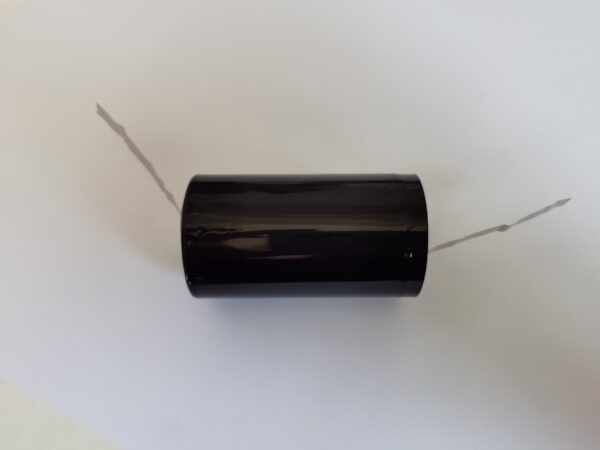
A common technical hurdle in BA applications is the pulse current required for wireless transmission. While Li-SOCl₂ batteries excel in low-drain applications, standard bobbin-type cells may struggle with high-amplitude pulses needed for data bursts. For humidity sensors integrated with active wireless modules, it is essential to select batteries designed with hybrid layer technology or paired with a supercapacitor. This configuration mitigates voltage delay, ensuring that the sensor can transmit humidity readings without triggering a low-voltage alarm. Procurement teams must verify the pulse current specifications against the sensor’s transmission interval and power consumption profile to avoid premature failure.
Compliance and Safety Standards
For overseas B2B buyers, regulatory compliance is non-negotiable. Lithium batteries are classified as dangerous goods for transportation. Any supplier must provide UN38.3 certification, which validates that the batteries have passed tests for altitude simulation, thermal cycling, and vibration. Without this documentation, shipping batteries by air or sea is impossible.
Environmental compliance is equally critical. Markets in the European Union and North America strictly enforce RoHS (Restriction of Hazardous Substances) and REACH regulations. Professional battery manufacturers ensure that their Li-SOCl₂ cells are free from prohibited substances like cadmium, mercury, and lead. Additionally, proper labeling according to IEC 60086 standards is necessary for traceability and safety. When evaluating suppliers, request full compliance dossiers to ensure smooth customs clearance and market entry.
Procurement Strategy and Quality Consistency
In large-scale building automation projects, consistency is key. A batch of batteries with varying internal resistance can lead to uneven performance across a sensor network, complicating maintenance schedules. B2B purchasers should prioritize manufacturers with automated production lines and rigorous quality control systems. Look for suppliers who offer batch testing reports and can guarantee capacity consistency within a narrow margin.
Customization is another value-add. Humidity sensors come in various form factors, from wall-mounted units to duct probes. Battery suppliers should offer flexible OEM/ODM services, including custom connector wiring, shrink wrapping, and label branding. This adaptability reduces assembly time for sensor manufacturers and ensures a secure fit within the device housing.
Real-World Application Insight
Consider a commercial office complex deploying 5,000 wireless humidity sensors across multiple floors. By selecting high-quality Li-SOCl₂ batteries with optimized pulse capability, the facility manager eliminates the need for annual battery replacements. This reduces labor costs significantly and minimizes disruption to tenants. The stability of the power source ensures that the Building Management System (BMS) receives continuous data, allowing for precise control of dehumidifiers and ventilation systems, ultimately lowering energy consumption.
Conclusion
Selecting the right power solution is as critical as selecting the sensor itself. Li-SOCl₂ batteries provide the longevity, stability, and temperature resilience required for modern building automation humidity sensors. However, success depends on partnering with a supplier who understands the technical nuances of pulse power, adheres to global compliance standards, and offers reliable supply chain support.
For businesses seeking reliable primary battery solutions tailored to IoT and automation needs, professional consultation is recommended. You can explore a wide range of certified primary battery products suitable for industrial applications at https://cnsbattery.com/primary-battery/. To discuss specific project requirements, customization options, or compliance documentation, please reach out directly via https://cnsbattery.com/primary-battery-contact-us/. Ensuring a robust power foundation today guarantees the efficiency and reliability of your building automation systems for the decade ahead.
