
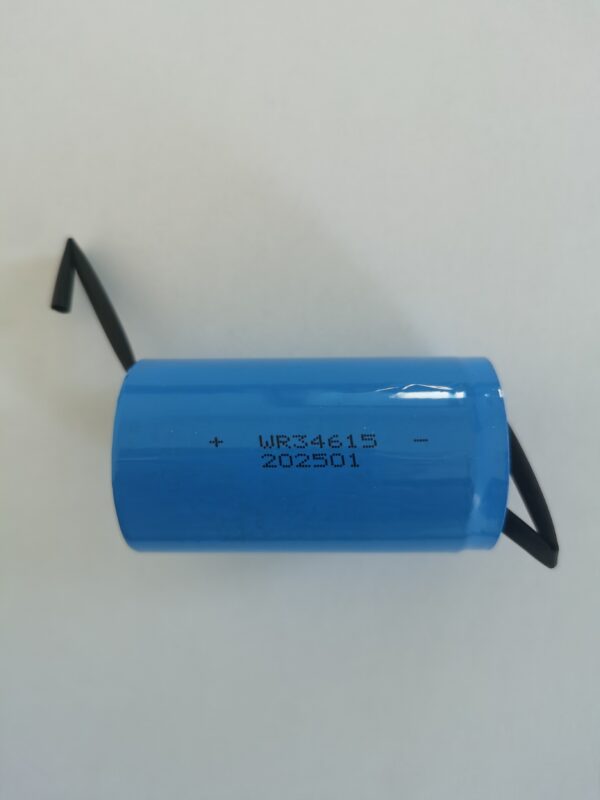
Li-SOCl₂ Battery for Bluetooth Low Energy (BLE) Sensor Nodes
The rapid expansion of IoT ecosystems has intensified demand for reliable, long-lasting power solutions. Among all available options, Li-SOCl₂ (Lithium Thionyl Chloride) batteries have emerged as the definitive choice for Bluetooth Low Energy (BLE) sensor nodes. This article explores why Li-SOCl₂ technology dominates this application space, examining technical advantages, deployment considerations, and strategic selection criteria for B2B decision-makers worldwide.
Why Li-SOCl₂ Powers the IoT Revolution
BLE sensor nodes operate under unique constraints: minimal power consumption during sleep modes, intermittent high-current pulses during transmission, and deployment lifespans extending 5-15 years without maintenance. Li-SOCl₂ batteries deliver exceptional energy density (up to 500 Wh/kg), ultra-low self-discharge rates (less than 1% per year), and stable voltage profiles across extreme temperature ranges (-55°C to +85°C). These characteristics make them indispensable for remote monitoring, smart metering, asset tracking, and industrial IoT applications where battery replacement is impractical or cost-prohibitive.
Core Technical Advantages for BLE Applications
1. Ultra-Low Self-Discharge Rate
Li-SOCl₂ chemistry maintains less than 1% annual self-discharge, ensuring sensor nodes retain capacity throughout extended deployment cycles. This is critical for infrastructure monitoring in agriculture, utilities, and logistics where devices must operate autonomously for a decade or more.
2. High Energy Density
With volumetric energy density reaching 1000 Wh/L, Li-SOCl₂ batteries enable compact sensor designs without sacrificing operational lifespan. This facilitates discreet installation in space-constrained environments while maintaining reliable performance.
3. Wide Temperature Tolerance
Unlike lithium-ion alternatives, Li-SOCl₂ cells function reliably across extreme temperatures, making them suitable for outdoor deployments in harsh climates—from Arctic monitoring stations to desert pipeline sensors.
4. Stable Voltage Platform
The nominal 3.6V output remains consistent throughout 80-90% of discharge life, ensuring BLE modules maintain transmission power and connectivity without voltage-induced failures.
Critical Design Considerations
Passivation Layer Management
Li-SOCl₂ batteries develop a protective lithium chloride layer during storage, which can cause temporary voltage delay upon initial load. Manufacturers employ various depassivation techniques to mitigate this effect. Understanding your supplier’s approach is essential for applications requiring immediate high-current pulses.
Pulse Current Capability
BLE transmission generates brief current spikes (10-50mA). Standard bobbin-type Li-SOCl₂ cells may struggle with high pulse demands. Hybrid designs incorporating pulse-enhancement technologies or parallel capacitor configurations address this limitation effectively.
Safety and Certification
Ensure batteries comply with UN38.3, IEC 60086-4, and regional safety standards. For global deployments, verify UL, CE, and RoHS certifications to avoid customs delays and liability exposure.
Strategic Supplier Selection
When evaluating Li-SOCl₂ battery partners, consider manufacturing consistency, technical support capabilities, and supply chain reliability. Established manufacturers provide custom voltage configurations, tailored form factors, and comprehensive documentation for regulatory compliance.
For detailed product specifications and technical consultation, visit our primary battery product portfolio. Our engineering team supports B2B clients with application-specific recommendations, ensuring optimal battery selection for your BLE sensor architecture.
Geographic Deployment Insights
North America: Smart city initiatives and industrial IoT drive demand for certified Li-SOCl₂ solutions with extended warranty coverage.
Europe: GDPR-compliant tracking devices require batteries with documented supply chain transparency and environmental certifications.
Asia-Pacific: Rapid infrastructure development creates opportunities for cost-effective, high-volume Li-SOCl₂ deployments in agriculture and logistics.
Middle East & Africa: Extreme temperature tolerance becomes the primary selection criterion for oil/gas monitoring and utility metering applications.
Future-Proofing Your IoT Power Strategy
As BLE 5.x and emerging Low Energy protocols reduce power consumption further, Li-SOCl₂ batteries will extend sensor node lifespans beyond 15 years. However, evolving regulations around battery disposal and recycling require forward-thinking procurement strategies. Partner with suppliers committed to sustainable manufacturing and end-of-life management programs.
Conclusion
Li-SOCl₂ technology remains unmatched for BLE sensor node applications requiring decade-long autonomy, extreme environmental tolerance, and minimal maintenance. Success depends on selecting the right cell chemistry, understanding pulse requirements, and partnering with experienced manufacturers who provide comprehensive technical support.
For customized solutions and direct engineering consultation, contact our team at CNS Battery. We deliver globally certified Li-SOCl₂ batteries engineered for the demanding requirements of modern IoT deployments.
