
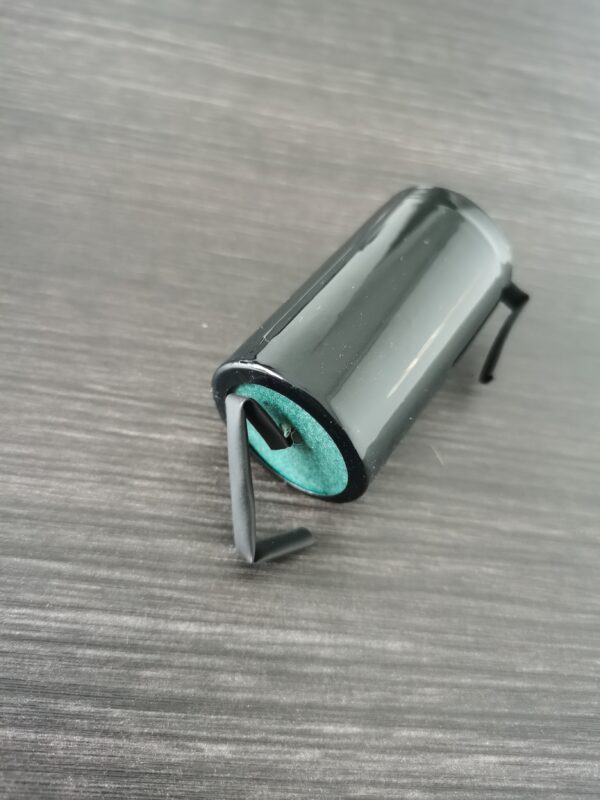
The Ultimate Power Source: Lithium Thionyl Chloride Batteries for Automotive Climate Control Sensors
Introduction
In the complex ecosystem of modern automotive engineering, the reliability of every component is non-negotiable. Nowhere is this more critical than in the cabin environment, where driver comfort and safety are directly managed by the climate control system. At the heart of these sophisticated systems lies a silent but powerful workhorse: the Lithium Thionyl Chloride (Li-SOCl₂) battery.
Unlike standard consumer batteries, Li-SOCl₂ batteries are designed for the long haul. They provide the stable, high-energy density power required for the sensors that regulate temperature, airflow, and humidity within the vehicle. In this article, we will explore why Li-SOCl₂ is the superior choice for automotive climate control applications, analyzing its technical advantages, longevity, and the specific engineering challenges it solves.
Why Lithium Thionyl Chlor 2 Batteries?
To understand the dominance of this specific chemistry in automotive sensors, we must first look at the technical profile of the Li-SOCl₂ cell.
1. Unmatched Energy Density
Automotive sensors are becoming smaller and more integrated, yet they demand more power to operate complex microprocessors and wireless transmission modules. Li-SOCl₂ batteries offer the highest energy density of any primary (non-rechargeable) lithium system. This allows engineers to design compact sensors that can still run for years without needing a battery swap.
2. Extreme Temperature Resilience
Cars are exposed to a brutal range of temperatures. From the scorching heat of a summer dashboard to the freezing cold of a winter engine bay, the battery must function flawlessly. Li-SOCl₂ batteries operate reliably in a range of -55°C to +85°C. This thermal stability ensures that your climate control system works instantly, regardless of the weather outside.
3. Exceptional Shelf Life and Low Self-Discharge
One of the most critical features for automotive applications is longevity. Li-SOCl₂ batteries have an incredibly low self-discharge rate—less than 1% per year. This translates to a service life of 10 to 20 years, effectively matching the lifespan of the vehicle itself. For manufacturers, this means fewer warranty claims and higher customer satisfaction.
The Technical Challenge: Voltage Delay and “Passivation”
While Li-SOCl₂ batteries are technically superior, they come with a unique chemical behavior that engineers must manage: Passivation.
When a Li-SOCl₂ cell sits unused, a thin film forms on the lithium anode. This is a natural protective layer that prevents the battery from self-discharging. However, when a high current is suddenly demanded (such as when a sensor wakes up), this film can cause a temporary voltage drop, known as the “voltage delay.”
The Solution:
This is where advanced Battery Management Systems (BMS) and smart sensor design come into play. By implementing a “pre-charge” circuit or using a hybrid design, engineers can mitigate the passivation effect. Understanding this chemistry allows us to design sensors that “wake up” instantly, ensuring the climate control system is always responsive.
Key Insight: Ignoring the passivation effect is the most common design mistake when integrating Li-SOCl₂ cells. Proper circuit design is essential to harness the full power of this chemistry.
Case Study: Smart Cabin Sensors in Modern EVs
Let’s look at a practical application. In modern Electric Vehicles (EVs), energy efficiency is paramount. The climate control system is one of the largest drains on the battery pack. To optimize this, manufacturers are deploying a network of wireless sensors throughout the cabin.
The Scenario:
A luxury EV manufacturer needed a sensor network that could:
- Operate for the vehicle’s lifetime (15+ years).
- Transmit data wirelessly without draining the main traction battery.
- Function in temperatures ranging from -40°C to +85°C.
The Implementation:
By utilizing Li-SOCl₂ batteries in these sensors, the manufacturer achieved a maintenance-free solution. The high energy density allowed the sensors to be embedded in the headliner and door panels without bulky housings. Furthermore, because these are primary (non-rechargeable) cells, there was no risk of thermal runaway associated with lithium-ion chemistries, adding an extra layer of safety to the passenger cabin.
Comparison: Li-SOCl₂ vs. Standard Alkaline in Automotive Use
To visualize why standard alkaline or lithium-ion batteries are not suitable for this specific role, consider the following comparison:
| Feature | Standard Alkaline | Lithium-Ion (Rechargeable) | Lithium Thionyl Chloride (Li-SOCl₂) |
|---|---|---|---|
| Energy Density | Low | Medium/High | Highest |
| Operating Temp | 0°C to 60°C | 0°C to 60°C | -55°C to 85°C |
| Service Life | 1-3 Years | 3-5 Years (Cycles) | 10-20 Years |
| Self-Discharge | High (Leak Risk) | Moderate | <1% per year |
| Best For | Remote Controls | Phones/Laptops | Industrial Sensors, Automotive |
Table 1: Comparison of battery chemistries for automotive sensor applications.
As the table illustrates, while alkaline batteries are cheap, they simply cannot survive the thermal extremes of a vehicle. Lithium-ion requires complex charging circuits and degrades over time. Li-SOCl₂ remains the only viable solution for “fit and forget” automotive sensor applications.
Designing for the Future: Integration and Safety
When specifying a Li-SOCl₂ battery for your next automotive climate control project, there are a few critical design parameters to consider:
- Pulse Handling: Ensure your sensor firmware is designed to handle the low-current nature of Li-SOCl₂ cells. If high pulses are required, consider a hybrid design or a supercapacitor buffer.
- Venting and Safety: Li-SOCl₂ cells produce gas if short-circuited or overheated. The battery holder must allow for safe venting away from sensitive electronics.
- Regulatory Compliance: Ensure the cells meet UN 38.3 transportation standards and relevant automotive safety standards (AEC-Q).
Conclusion
In the high-stakes world of automotive engineering, cutting corners on power sources is not an option. Lithium Thionyl Chloride (Li-SOCl₂) batteries offer a unique combination of longevity, temperature resilience, and energy density that is unmatched by any other primary battery technology.
For engineers designing the next generation of climate control sensors, choosing Li-SOCl₂ is not just about powering a device; it is about ensuring reliability, safety, and zero maintenance for the life of the vehicle.
Ready to Power Your Automotive Innovation?
If you are developing a climate control system or any industrial sensor application that demands extreme reliability, our team of experts is ready to assist. We specialize in high-performance primary batteries designed for the toughest environments.
Explore our range of Primary Batteries and discover the perfect power solution for your project. For specific technical inquiries or custom requirements, please do not hesitate to Contact Us directly.
- Product Link: https://cnsbattery.com/primary-battery/
- Contact Link: https://cnsbattery.com/primary-battery-contact-us/
