
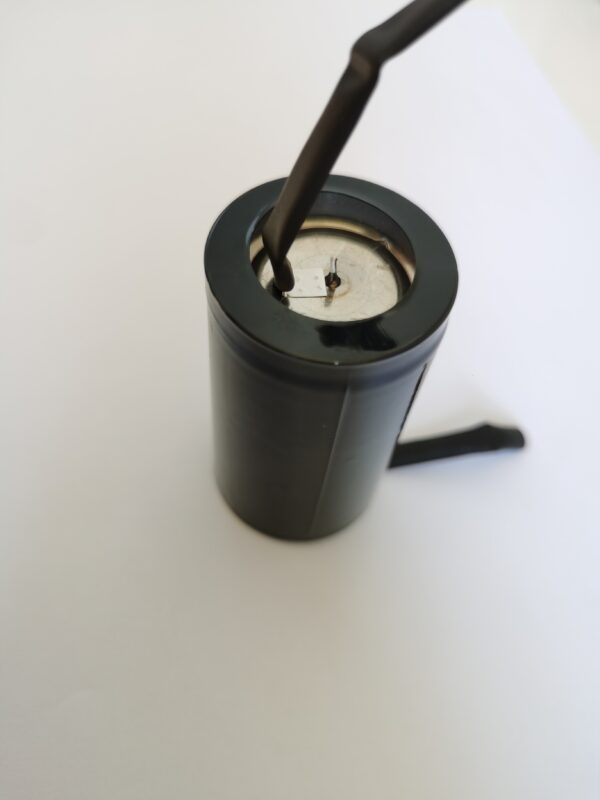
Li-SOCl₂ Battery for Africa Market | SABS Certified
Introduction
The African continent presents unique challenges and opportunities for industrial power solutions, particularly in remote monitoring, utility metering, and telecommunications infrastructure. Lithium Thionyl Chloride (Li-SOCl₂) primary batteries have emerged as the preferred energy source for these demanding applications. For manufacturers and technical buyers targeting the African market, SABS (South African Bureau of Standards) certification represents a critical compliance requirement that ensures product reliability, safety, and market accessibility.
Understanding Li-SOCl₂ Battery Technology
Li-SOCl₂ batteries belong to the lithium metal primary battery category, characterized by their exceptional energy density and extended shelf life. The electrochemical system utilizes lithium as the anode and thionyl chloride as both cathode and electrolyte solvent. This configuration delivers several technical advantages:
High Energy Density: Li-SOCl₂ cells typically achieve 500-700 Wh/kg, significantly outperforming alkaline and other lithium chemistries. This makes them ideal for space-constrained installations common in African infrastructure projects.
Extended Operating Temperature Range: These batteries function reliably between -55°C to +85°C, accommodating the diverse climatic conditions across African regions—from Sahara desert heat to highland cold.
Ultra-Low Self-Discharge: Annual self-discharge rates below 1% enable 10-15 year service life, reducing maintenance frequency in hard-to-access locations.
Stable Voltage Profile: The nominal 3.6V output remains consistent throughout most of the discharge cycle, ensuring reliable performance for sensitive electronic equipment.
SABS Certification: Why It Matters for Africa
The South African Bureau of Standards (SABS) certification serves as a quality benchmark recognized across multiple African nations. For Li-SOCl₂ battery suppliers, obtaining SABS certification demonstrates compliance with rigorous safety and performance standards.
Regulatory Compliance: Many African countries reference SABS standards in their national regulations. Products bearing SABS certification face fewer barriers during customs clearance and market entry.
Quality Assurance: The certification process includes thorough testing of electrical safety, environmental resistance, and performance consistency under various conditions.
Customer Confidence: Technical procurement teams prioritize certified products to minimize project risk and ensure long-term reliability for critical infrastructure.
Regional Recognition: SABS certification is acknowledged throughout the Southern African Development Community (SADC), expanding market reach beyond South Africa.
Key Applications in African Markets
Utility Metering: Water, electricity, and gas meters deployed across African utilities require batteries capable of 10+ year operation without replacement. Li-SOCl₂ technology meets these demands while SABS certification ensures regulatory acceptance.
Telecommunications: Remote base stations and IoT communication devices depend on reliable backup power. The wide temperature tolerance of Li-SOCl₂ batteries suits Africa’s variable climate conditions.
Asset Tracking: Logistics and transportation sectors utilize battery-powered GPS trackers for fleet management. Long service life reduces operational costs significantly.
Security Systems: Remote surveillance equipment in mining, agriculture, and border control applications demands dependable power sources with minimal maintenance requirements.
Technical Selection Criteria for Procurement
When evaluating Li-SOCl₂ batteries for African projects, technical buyers should consider:
- Capacity Requirements: Match battery capacity (Ah) to device current draw and expected service life. Consider pulse current capabilities for communication devices.
- Temperature Specifications: Verify operating temperature ranges align with regional climate conditions where equipment will be deployed.
- Certification Documentation: Request complete SABS certification records and test reports for compliance verification.
- Supplier Qualifications: Assess manufacturer experience with African market requirements and after-sales support capabilities.
- Safety Standards: Ensure batteries meet IEC 60086-4 and relevant transportation regulations for lithium batteries.
Conclusion
Li-SOCl₂ primary batteries represent the optimal power solution for Africa’s growing infrastructure needs. SABS certification provides the quality assurance and regulatory compliance necessary for successful market penetration. Technical buyers and engineers should prioritize certified products from established manufacturers to ensure project success and long-term reliability.
For detailed product specifications and technical consultation, visit our primary battery product page. Our engineering team supports African market projects with customized solutions and comprehensive certification documentation.
To discuss your specific requirements or request SABS certification records, please contact us. We provide technical support for utility, telecommunications, and industrial applications across the African continent.
Technical specifications and certification status subject to verification. Always consult current documentation before procurement decisions.
