
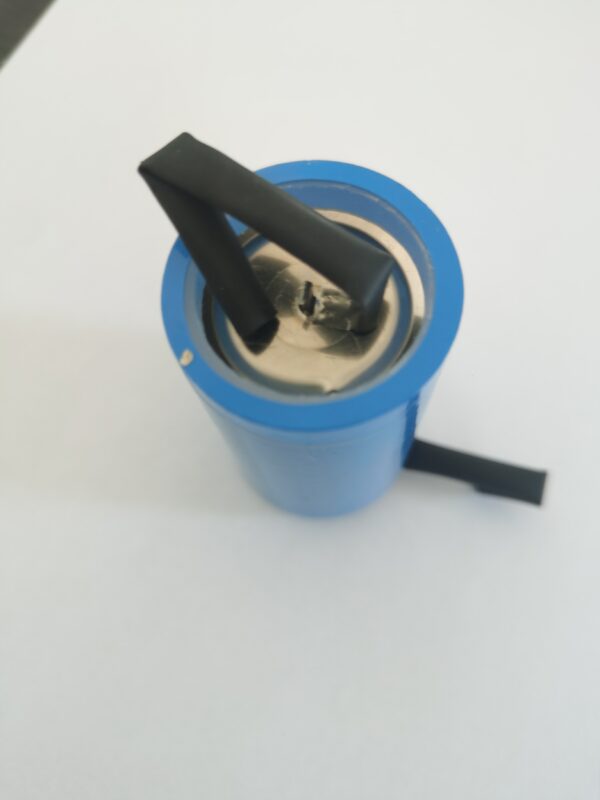
Li-SOCl₂ Battery | Industrial Transmitter Primary Battery Supplier
Powering the Future of Industrial IoT with Lithium Thionyl Chloride Technology
In the rapidly evolving landscape of industrial automation and IoT connectivity, reliable power sources are critical for maintaining uninterrupted operations. Lithium Thionyl Chloride (Li-SOCl₂) batteries have emerged as the gold standard for industrial transmitters, offering unmatched energy density and longevity. As a leading primary battery supplier, we understand the unique demands of industrial applications and deliver solutions engineered for performance, safety, and reliability.
Understanding Li-SOCl₂ Battery Technology
Li-SOCl₂ batteries represent the highest specific energy available in commercial primary battery systems today. With energy density reaching up to 590 Wh/kg and 1100 Wh/L, these non-rechargeable lithium metal batteries provide exceptional power for long-term deployments. The electrochemical reaction follows: 4Li + 2SOCl₂ → 4LiCl + S + SO₂, where lithium serves as the anode and thionyl chloride functions as both cathode active material and electrolyte solvent.
Key Technical Specifications
| Parameter | Specification |
|---|---|
| Nominal Voltage | 3.6V |
| Operating Temperature | -55°C to +85°C |
| Self-Discharge Rate | <1% per year |
| Service Life | 10-20 years |
| Capacity Range | 400mAh to 10,000Ah |
The wide operating temperature range makes Li-SOCl₂ batteries ideal for harsh industrial environments, from Arctic monitoring stations to desert pipeline sensors. Their ultra-low self-discharge rate ensures minimal capacity loss during extended storage periods, a critical factor for emergency backup systems and remote installations.
Industrial Transmitter Applications
Industrial transmitters demand power sources capable of delivering consistent performance across diverse conditions. Li-SOCl₂ batteries excel in these applications:
1. Wireless Sensor Networks
IoT-enabled pressure, temperature, and flow transmitters require reliable power for continuous data transmission. The stable voltage profile of Li-SOCl₂ cells ensures accurate sensor readings throughout the battery’s lifecycle.
2. Remote Monitoring Systems
Pipeline monitoring, tank level measurement, and environmental sensing stations often operate in inaccessible locations. The 10-20 year service life significantly reduces maintenance costs and operational downtime.
3. Smart Metering Infrastructure
Water, gas, and electricity meters deployed across utility networks benefit from the long-term reliability of lithium thionyl chloride technology, enabling automated billing and consumption tracking without frequent battery replacement.
4. Safety and Emergency Systems
Fire detection, gas leak alarms, and emergency beacon transmitters require guaranteed power availability. Li-SOCl₂ batteries provide the dependability necessary for life-critical applications.
Advantages for Engineering Teams
For engineers designing industrial transmitter systems, Li-SOCl₂ batteries offer several compelling benefits:
High Pulse Current Capability: Modern Li-SOCl₂ cells can support periodic high-current pulses required for wireless communication modules, including LTE, LoRaWAN, and NB-IoT transmitters. This makes them suitable for next-generation connected industrial devices.
Voltage Stability: The flat discharge curve maintains consistent voltage output throughout most of the battery’s life, ensuring reliable operation of sensitive electronic components without complex voltage regulation circuitry.
Safety Features: Contemporary manufacturing processes address historical concerns about voltage delay and thermal runaway. Advanced separator technologies and electrolyte formulations enhance safety during high-rate discharge and over-discharge conditions.
Customization Options: Available in cylindrical bobbin and spiral-wound configurations, Li-SOCl₂ batteries can be tailored to specific form factor requirements. Capacity options range from compact 400mAh cells for low-power sensors to large 10,000Ah units for extended deployments.
Selection Guidelines for Technical Procurement
When evaluating Li-SOCl₂ batteries for industrial transmitter applications, consider these factors:
Discharge Profile Analysis: Match battery capacity to your device’s average current consumption and pulse requirements. Account for temperature effects on available capacity, particularly for cold-environment deployments.
Quality Certification: Verify manufacturer credentials including ISO certification, UN38.3 transportation compliance, and relevant industry standards. Reputable suppliers provide comprehensive technical documentation and test reports.
Supply Chain Reliability: Partner with established manufacturers capable of consistent production volumes and global distribution. Long-term product availability ensures continuity for multi-year projects.
Total Cost of Ownership: While initial unit cost may exceed alkaline alternatives, the extended service life and reduced maintenance requirements deliver superior long-term value for industrial applications.
Partner with a Trusted Primary Battery Supplier
Selecting the right battery partner is as crucial as choosing the correct technology. Our comprehensive primary battery portfolio includes Li-SOCl₂ solutions engineered specifically for industrial transmitter applications. We provide technical support throughout your product development cycle, from initial specification to volume production.
For detailed product specifications and technical consultation, explore our complete range at Primary Battery Products. Our engineering team stands ready to assist with application-specific recommendations and custom solutions.
Contact us directly to discuss your industrial power requirements: Contact Us
Conclusion
Li-SOCl₂ battery technology continues to set the benchmark for industrial primary power solutions. As industrial IoT deployments expand globally, the demand for reliable, long-life batteries will only increase. By understanding the technical advantages and selection criteria outlined above, engineering teams and procurement professionals can make informed decisions that optimize system performance and minimize lifecycle costs.
Invest in proven lithium thionyl chloride technology today to power tomorrow’s industrial innovations.
