
Here is the SEO-optimized article tailored for your requirements.
The Ultimate Power Solution: Li-SOCl₂ Batteries for Zigbee Smart Home Sensors
In the rapidly evolving landscape of smart home technology, Zigbee sensors have become the unsung heroes, silently monitoring everything from temperature to security. However, the true bottleneck for these devices isn’t the wireless protocol or the sensor accuracy—it is the battery. For manufacturers and engineers designing the next generation of smart home systems, the quest for a power source that offers a decade-long lifespan without maintenance is paramount. This is where Lithium Thionyl Chloride (Li-SOCl₂) batteries enter the equation, offering a technological leap over traditional alkaline or lithium-ion alternatives. Unlike rechargeable cells, these primary batteries are engineered for maximum energy density and extreme longevity, making them the perfect symbiotic partner for low-power Zigbee networks.
Why Li-SOCl₂ is the “Gold Standard” for Smart Sensors
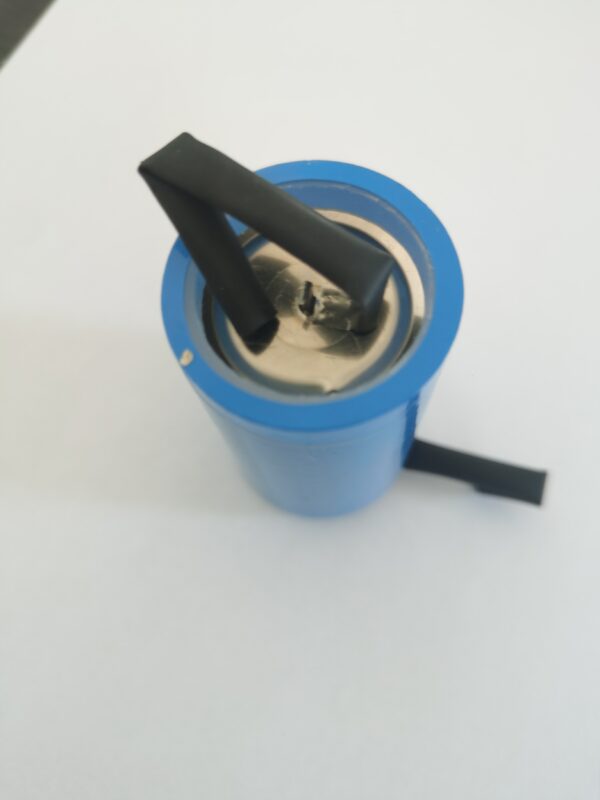
At the heart of the smart home sensor revolution lies the physics of energy storage. Lithium Thionyl Chloride (Li-SOCl₂) technology is distinct because it utilizes lithium metal as the anode and thionyl chloride as both the cathode and electrolyte. This unique chemistry results in an energy density that is nearly double that of standard lithium-ion batteries.
For Zigbee smart home sensors, which often operate in “sleep mode” for 99% of their lifecycle and only wake up to transmit data packets, the voltage and discharge characteristics of a battery are critical. Li-SOCl₂ cells provide a nominal voltage of 3.6V, which is ideal for directly powering most microcontrollers used in sensor design without the need for complex voltage boosting circuits. Furthermore, their self-discharge rate is incredibly low—less than 1% per year. This translates directly to the user experience: a sensor that lasts 10 to 15 years on a single charge, eliminating the frustration of frequent battery replacements and ensuring the system remains operational during critical moments.
Technical Deep Dive: Parameters and Performance Metrics
To truly appreciate the value of Li-SOCl₂ for engineering applications, we must look at the specific parameters that define performance. When evaluating a battery for integration into a smart home ecosystem, engineers should focus on the following key metrics:
- Pulse Current Capability: Zigbee sensors require short bursts of high current to transmit data. While the continuous drain might be low (e.g., 20mA), the pulse drain during transmission can spike. High-quality Li-SOCl₂ batteries are designed to handle pulses up to 2A without significant voltage drop, ensuring reliable data transmission.
- Operating Temperature Range: Smart home sensors are often placed in harsh environments—attics, basements, or outdoor enclosures. These batteries typically operate reliably from -55°C to +85°C, making them suitable for global deployment regardless of climate.
- Energy Density: Measured in Watt-hours per liter (Wh/L), Li-SOCl₂ batteries can exceed 500 Wh/L. This allows manufacturers to shrink the form factor of their sensors, making them more aesthetically pleasing and easier to install.
Testing Methodology: Ensuring Reliability Before Deployment
Selecting a battery is not just about reading a datasheet; it is about rigorous validation. For Zigbee smart home sensors, a standardized testing protocol is essential to verify the claims of “long life” and “reliability.”
- Pulse Testing: Simulate the actual load profile of the sensor. This involves applying a sleep current (e.g., 10µA) for 59 seconds and a pulse current (e.g., 50mA) for 1 second, repeated continuously. This mimics the real-world usage of a Zigbee network.
- Voltage Stability Test: Monitor the voltage during the pulse. A robust Li-SOCl₂ cell will maintain voltage above the minimum operating threshold of the sensor’s chip (usually around 2.0V) even after years of simulated use.
- Passivation Test: Lithium batteries naturally form a passivation layer when idle. Testing must ensure that this layer does not cause a “voltage delay” that could disrupt the sensor’s initial wake-up sequence.
The CNS Battery Advantage: Engineering for Global Standards
When sourcing Li-SOCl₂ batteries, manufacturers must partner with a supplier that understands the nuances of global regulatory compliance. CNS Battery stands out not just for its technical specifications, but for its adherence to international quality benchmarks.
For engineers based in the EU or North America, compliance with local regulations is non-negotiable. CNS Battery products are engineered to meet the stringent requirements of UN38.3 (for safe transport of lithium batteries) and RoHS/REACH (for environmental safety). This ensures that your smart home product can be shipped globally without logistical hurdles. Furthermore, CNS Battery offers customized solutions, allowing you to tailor the battery’s discharge curve and physical dimensions to fit your specific Zigbee sensor housing perfectly.
Note: Partnering with a manufacturer that guarantees consistency in raw material sourcing and production processes is vital for maintaining the quality of your smart home brand.
Conclusion: Powering the Future of Smart Living
In conclusion, Lithium Thionyl Chloride batteries are not merely a component for Zigbee sensors; they are the foundational element that enables the “set it and forget it” philosophy of modern smart homes. By choosing a high-quality Li-SOCl₂ solution, you are guaranteeing that your devices will remain operational, reliable, and maintenance-free for the long term.
If you are an engineer or a procurement manager looking to integrate the highest standard of power solutions into your next smart home project, it is time to consult with the experts. CNS Battery offers the technical expertise and global compliance credentials you need to succeed in competitive markets.
To discuss your specific requirements and get a quote for high-performance Li-SOCl₂ batteries for your smart home sensors, please visit our product page or contact our sales team directly.
- Explore our Li-SOCl₂ Product Range: Primary Battery Product Page
- Contact Our Engineering Team: Contact Us for Smart Home Solutions
