
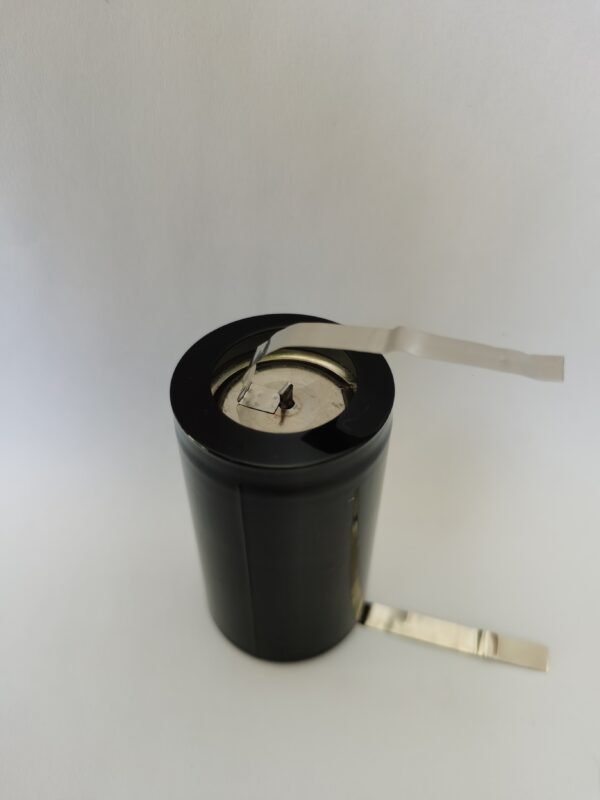
Li-SOCl₂ Battery for Oil Pipeline Corrosion Monitoring Sensors
Powering Critical Infrastructure with Reliable Long-Term Energy Solutions
Oil and gas pipeline networks represent some of the world’s most critical energy infrastructure, requiring continuous monitoring to prevent catastrophic failures and environmental disasters. Corrosion monitoring sensors deployed along these pipelines demand power sources capable of operating reliably for 10-15 years in extreme conditions. Lithium Thionyl Chloride (Li-SOCl₂) batteries have emerged as the industry-standard solution for this demanding application, offering unmatched energy density, temperature tolerance, and operational longevity.
Why Li-SOCl₂ Batteries Dominate Pipeline Monitoring Applications
Li-SOCl₂ primary batteries deliver the highest specific energy among commercially available battery chemistries, reaching up to 590 Wh/kg and 1100 Wh/L. This exceptional energy density enables compact sensor designs while ensuring decade-long deployment without maintenance interventions. For pipeline operators managing thousands of monitoring points across remote locations, this translates to dramatically reduced operational costs and enhanced safety compliance.
The nominal 3.6V operating voltage provides stable power delivery throughout the battery’s discharge cycle, critical for accurate sensor readings and reliable data transmission. Unlike rechargeable alternatives, Li-SOCl₂ batteries exhibit minimal self-discharge rates (less than 1% per year), preserving capacity during extended storage and deployment periods.
Technical Advantages for Harsh Environment Deployment
Pipeline corrosion monitoring sensors operate in some of the most challenging environments on earth. Li-SOCl₂ batteries excel in these conditions through several key technical characteristics:
Extended Temperature Range: Specialized Li-SOCl₂ cells maintain functionality from -40°C to +165°C, accommodating arctic pipelines and high-temperature downhole applications alike. This temperature tolerance exceeds most alternative battery chemistries by significant margins.
Low Current Optimization: Corrosion monitoring sensors typically draw microamp-level currents during sleep modes with periodic pulse transmissions. Li-SOCl₂ chemistry excels at low-rate discharge applications, maximizing usable capacity over extended deployment periods.
Hermetic Sealing: Premium Li-SOCl₂ batteries feature welded stainless steel casings that prevent electrolyte leakage and moisture ingress, essential for underground and submerged pipeline installations where sensor replacement proves costly or impossible.
Voltage Stability: The flat discharge curve maintains consistent voltage output throughout 90% of the battery’s life, ensuring sensor accuracy and communication reliability until end-of-life replacement becomes necessary.
Addressing Technical Challenges in Pipeline Applications
While Li-SOCl₂ batteries offer compelling advantages, proper selection and implementation require understanding specific technical considerations:
Voltage Delay Phenomenon: After extended storage or high-temperature exposure, Li-SOCl₂ batteries may exhibit temporary voltage depression during initial load application. Modern cell designs incorporate modified electrolyte formulations and cathode treatments to minimize this effect, ensuring reliable sensor startup even after years of deployment.
Pulse Current Capability: Wireless sensor networks require periodic high-current pulses for data transmission. Hybrid layer designs combining bobbin and spiral-wound construction enable pulse currents up to 100mA while maintaining long-term capacity. For applications demanding higher pulse capabilities, BCX (Bromine Chlorine extended) variants offer enhanced performance.
Safety Considerations: Li-SOCl₂ batteries contain pressurized thionyl chloride electrolyte requiring proper handling protocols. Quality manufacturers implement multiple safety features including pressure relief vents, thermal fuses, and robust cell construction to prevent catastrophic failure under abuse conditions.
Selection Criteria for Pipeline Monitoring Projects
When specifying Li-SOCl₂ batteries for corrosion monitoring applications, consider these critical parameters:
- Capacity Requirements: Calculate total energy consumption including sleep current, active measurement cycles, and transmission pulses over the intended deployment period. Add 20% safety margin for temperature effects and aging.
- Temperature Profile: Match battery specifications to actual operating conditions, not just nominal ranges. High-temperature operation accelerates capacity loss while low temperatures reduce available power.
- Certification Requirements: Ensure batteries meet relevant industry standards including ATEX, IECEx, or UL classifications for hazardous location deployment.
- Manufacturer Support: Select suppliers with proven track records in oil and gas applications, offering technical support, custom configurations, and long-term availability guarantees.
Implementation Best Practices
Successful Li-SOCl₂ battery deployment requires attention to installation and monitoring protocols:
- Store batteries at moderate temperatures (15-25°C) before deployment to minimize voltage delay
- Implement battery voltage monitoring in sensor firmware to predict end-of-life
- Design sensor housings to facilitate battery replacement where feasible
- Maintain deployment records tracking installation dates and expected replacement schedules
Partner with Experienced Battery Specialists
Selecting the right Li-SOCl₂ battery solution requires expertise in both battery technology and application requirements. Professional manufacturers offer customized solutions matching specific pipeline monitoring needs, from standard cylindrical cells to custom pack configurations with integrated protection circuitry.
For detailed technical specifications and application support, explore comprehensive primary battery solutions designed for industrial monitoring applications. Our engineering team understands the unique challenges of pipeline corrosion monitoring and can recommend optimal battery configurations for your specific deployment scenarios.
Conclusion
Li-SOCl₂ batteries represent the optimal power solution for oil pipeline corrosion monitoring sensors, combining exceptional energy density, environmental tolerance, and operational longevity. As pipeline networks expand and monitoring requirements intensify, these primary batteries will continue enabling reliable, maintenance-free sensor deployments that protect critical energy infrastructure and prevent environmental incidents.
Proper battery selection, combined with thoughtful system design and implementation practices, ensures corrosion monitoring systems deliver accurate data throughout their intended service life. For project-specific consultations and technical documentation, contact our battery specialists to discuss your pipeline monitoring power requirements.
Investing in quality Li-SOCl₂ battery solutions today prevents costly sensor failures and pipeline incidents tomorrow, protecting both operational continuity and environmental safety across global energy infrastructure networks.
