
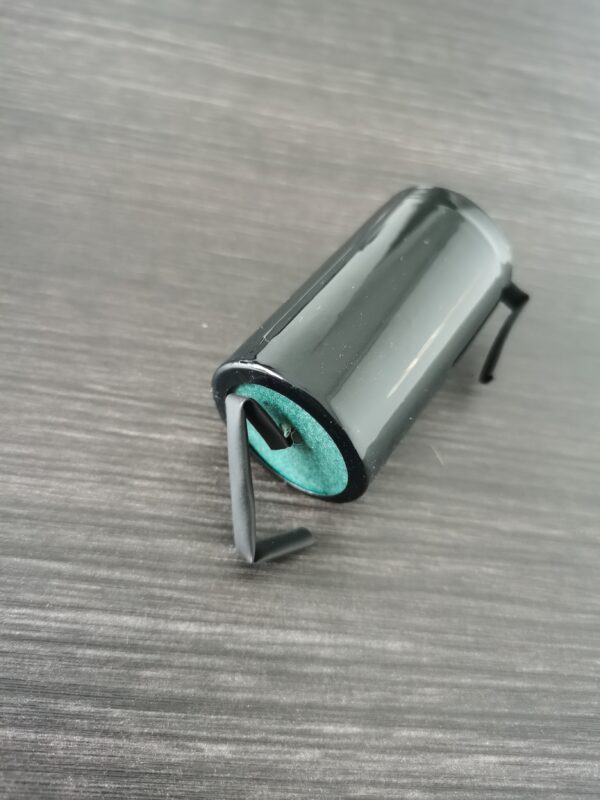
Here is the SEO-optimized article tailored for your requirements, focusing on the technical application of Lithium Thionyl Chloride batteries in offshore wind monitoring.
Uninterrupted Power: Li-SOCl₂ Batteries for Offshore Wind Turbine Structural Health Sensors
In the harsh, saline environment of offshore wind farms, structural health monitoring (SHM) systems are the unsung heroes ensuring turbine longevity and safety. These sophisticated sensor networks, often deployed in remote locations with limited accessibility, face a critical challenge: maintaining reliable power for the 10-20 year lifespan of the turbine. Standard lithium-ion batteries often fail due to self-discharge and temperature sensitivity. The definitive solution lies in the unique chemistry of primary lithium batteries, specifically Lithium Thionyl Chloride (Li-SOCl₂). This article explores how these high-energy-density cells provide the maintenance-free, long-duration power essential for the structural integrity of offshore wind energy assets.
The Power Demands of Structural Health Monitoring
Structural health monitoring in offshore environments involves a complex network of sensors measuring vibration, strain, temperature, and corrosion. These systems operate under extreme duress.
Challenges of Offshore Energy Storage:
- Extreme Temperatures: Turbines experience freezing North Sea winters and baking summer heat.
- Salt Fog Corrosion: High humidity and salt spray degrade standard electronics and battery casings.
- Remote Access: Maintenance visits are costly and weather-dependent, necessitating “fit and forget” power solutions.
To meet these demands, the power source must not only survive but thrive in these conditions without intervention.
Why Lithium Thionyl Chloride (Li-SOCl₂) is the Industry Standard
Among primary lithium batteries, the Lithium Thionyl Chloride chemistry stands out as the gold standard for long-term, low-drain applications like SHM.
Technical Advantages:
- Unmatched Energy Density: With a specific energy often exceeding 600 Wh/kg, Li-SOCl₂ cells provide the longest runtime in the smallest footprint.
- Negligible Self-Discharge: These batteries lose less than 1% of their charge per year, enabling 20+ year service life without replacement.
- Thermal Resilience: They operate effectively from -55°C to +85°C, making them immune to the thermal cycling of offshore structures.
Unlike secondary (rechargeable) batteries, primary lithium cells do not suffer from memory effects or charge depletion due to frequent shallow cycling, making them the most reliable choice for critical infrastructure.
The Role of Bobbin-Type Construction in Sensor Reliability
Within the Li-SOCl₂ family, the construction method significantly impacts performance. For structural health sensors, the Bobbin-type construction is vastly superior to the Spiral (jellyroll) construction for one critical reason: low self-discharge.
Construction Comparison:
| Feature | Spiral Construction | Bobbin Construction |
|---|---|---|
| Structure | Large surface area electrodes rolled tightly. | Concentric electrodes with minimal contact area. |
| Self-Discharge | Higher (due to larger electrolyte contact). | Extremely Low (ideal for 20-year deployments). |
| Current Drain | High pulse capabilities. | Moderate pulse, optimized for long life. |
| Best For | High-drain applications. | Low-drain IoT & SHM Sensors. |
For the continuous, low-power draw of vibration and strain gauges, the Bobbin-type Li-SOCl₂ battery ensures that the sensor does not fail due to power loss before the turbine itself requires maintenance.
Custom Engineering for Harsh Environments
Standard off-the-shelf batteries are insufficient for the corrosive offshore environment. Custom engineering is required to mitigate the risks of saltwater intrusion and mechanical stress.
Critical Customization Factors:
- Hermetic Sealing: Utilizing laser welding and specialized glass-to-metal seals (GTMS) to prevent electrolyte leakage and gas exchange.
- Parylene Coating: Applying a conformal coating to the battery cell to resist salt fog and moisture ingress.
- Custom Voltage & Size: Tailoring the battery pack dimensions to fit within the aerodynamic nacelle or blade root housing without compromising structural integrity.
By integrating these custom features, manufacturers can guarantee that the power source will outlast the sensor electronics it powers.
The Future of Offshore Monitoring: Maintenance-Free Operation
The transition to predictive maintenance in the wind industry relies heavily on the autonomy of sensor networks. By utilizing primary lithium batteries, specifically Li-SOCl₂ with Bobbin construction, operators can achieve true “set and forget” functionality.
Key Takeaways for Engineers:
- Prioritize primary lithium over lithium-ion for SHM to avoid self-discharge issues.
- Select Bobbin-type cells for applications requiring 15+ years of service.
- Ensure custom sealing to meet IP67/IP68 standards for offshore deployment.
As wind turbines grow taller and move further offshore, the demand for robust, long-lasting power solutions will only increase. Investing in high-quality primary batteries today ensures the structural data integrity of tomorrow.
Ready to power your offshore wind monitoring systems with reliability? Explore our range of primary lithium batteries designed for extreme environments at CNS BATTERY Product Center, or contact our engineering team directly for custom solutions at Contact Us.
