
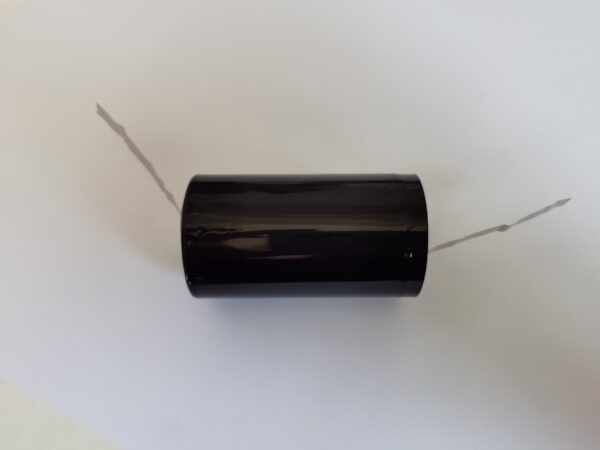
Li-SOCl₂ Battery for Forklift Telematics Systems
Powering Industrial IoT with Reliable Primary Lithium Technology
In the rapidly evolving landscape of industrial automation, forklift telematics systems have become essential for warehouse management, fleet optimization, and operational efficiency. At the heart of these critical monitoring systems lies a fundamental question: what power source ensures uninterrupted data transmission, long-term reliability, and minimal maintenance? The answer increasingly points to Lithium Thionyl Chloride (Li-SOCl₂) primary batteries—a specialized energy solution engineered for demanding industrial environments.
Why Li-SOCl₂ Chemistry Excels in Telematics Applications
Li-SOCl₂ batteries represent the pinnacle of primary lithium technology, offering unique advantages that align perfectly with forklift telematics requirements. These batteries utilize lithium metal as the anode and thionyl chloride as both cathode and electrolyte solvent, creating an electrochemical system with exceptional energy density and shelf life.
Key Technical Advantages:
- Extended Operational Life: With typical capacity ranges from 1.2Ah to 38Ah, Li-SOCl₂ cells can power telematics devices for 5-10 years without replacement, dramatically reducing maintenance intervals.
- Wide Temperature Performance: Operating reliably from -55°C to +85°C, these batteries withstand the temperature fluctuations common in warehouse environments, cold storage facilities, and outdoor yards.
- Low Self-Discharge Rate: Annual self-discharge below 1% ensures batteries maintain charge during extended storage periods, critical for fleet management across multiple locations.
- Stable Voltage Profile: The nominal 3.6V output remains consistent throughout discharge, providing reliable power for GPS modules, cellular transmitters, and sensor arrays.
Forklift Telematics Power Requirements
Modern forklift telematics systems integrate multiple components requiring continuous power supply:
- GPS Tracking Modules: Location data transmission every 30-60 seconds
- Cellular Communication: 2G/3G/4G/LTE-M connectivity for real-time data
- Impact Sensors: Collision detection and operator behavior monitoring
- Battery Management Interfaces: Integration with forklift battery systems
- Memory Storage: Event logging and operational history
These components demand a power source capable of handling both continuous low-current draw and periodic high-current pulses during data transmission. Li-SOCl₂ batteries, particularly those with hybrid layer construction or pulse-capable designs, meet these dual requirements effectively.
Industrial Environment Considerations
Warehouses and distribution centers present challenging conditions for electronic systems. Vibration from forklift operation, temperature variations between loading docks and cold storage, and extended operational cycles all stress power systems. Li-SOCl₂ technology addresses these challenges through:
- Hermetic Sealing: Glass-to-metal seals prevent electrolyte leakage and moisture ingress
- Robust Construction: Withstands vibration levels up to 20G without performance degradation
- Passivation Layer: Natural oxide film on lithium anode provides corrosion resistance
Selecting the Right Li-SOCl₂ Solution
Not all Li-SOCl₂ batteries perform identically in telematics applications. Key selection criteria include:
Capacity Matching: Calculate total system consumption including sleep mode, active transmission, and peak pulses. Add 20-30% safety margin for temperature effects and aging.
Pulse Capability: For systems with high-current transmission bursts, select bobbin-type cells with spiral wound construction or hybrid designs incorporating additional cathode materials.
Safety Certifications: Ensure compliance with UN38.3, IEC60086-4, and regional transportation regulations for lithium primary batteries.
Terminal Configuration: Choose appropriate terminals (wire leads, pins, tabs) matching your telematics device housing and installation requirements.
Implementation Best Practices
Successful deployment requires attention to installation and integration details:
- Power Management Design: Implement sleep modes and duty cycling to maximize battery life
- Voltage Monitoring: Include low-battery alerts before critical voltage thresholds
- Temperature Compensation: Account for capacity reduction in extreme cold environments
- Replacement Planning: Establish proactive replacement schedules based on actual consumption data
Global Supply and Support
For warehouse operators managing fleets across multiple regions, consistent battery supply and technical support become critical factors. Working with established manufacturers ensures product consistency, documentation availability, and regulatory compliance across different markets.
Professional lithium battery suppliers offer customized solutions including specific capacity configurations, terminal modifications, and packaging options aligned with telematics device manufacturing requirements. Visit https://cnsbattery.com/primary-battery/ to explore comprehensive primary battery product ranges designed for industrial IoT applications.
Future Outlook
As Industry 4.0 continues transforming material handling operations, forklift telematics systems will incorporate additional sensors, edge computing capabilities, and AI-driven analytics. These advancements will increase power demands while maintaining expectations for maintenance-free operation. Li-SOCl₂ technology continues evolving with improved pulse performance, enhanced safety features, and optimized form factors meeting next-generation requirements.
Conclusion
Li-SOCl₂ batteries represent the optimal power solution for forklift telematics systems, combining exceptional energy density, environmental resilience, and long-term reliability. For fleet managers, equipment manufacturers, and system integrators, understanding these technical advantages enables informed decisions that reduce total cost of ownership while improving operational visibility.
For technical consultation, customization requirements, or regional distribution partnerships, contact our professional team at https://cnsbattery.com/primary-battery-contact-us/ to discuss your specific forklift telematics power needs.
Optimized for industrial battery procurement specialists, telematics system engineers, and warehouse operations managers seeking reliable primary lithium power solutions for material handling equipment monitoring systems.
