
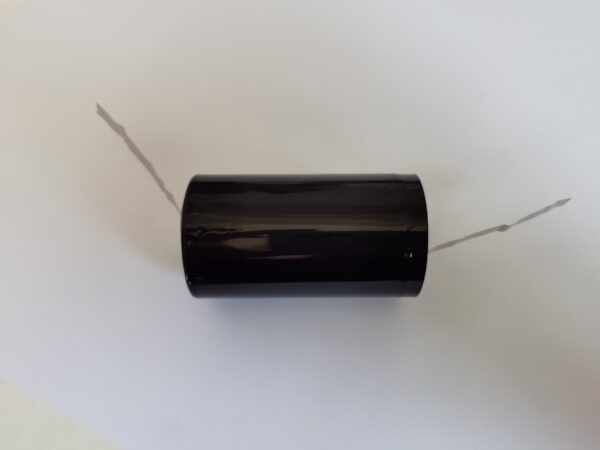
Powering Precision: Li-SOCl₂ Batteries for Environmental Monitoring Weather Stations
In the realm of modern environmental science, data continuity is paramount. Weather stations deployed in remote locations—from arctic tundras to equatorial rainforests—must operate autonomously for years without maintenance. The backbone of this reliability is the power source. For engineers and technical purchasers designing environmental monitoring systems, the Lithium Thionyl Chloride (Li-SOCl₂) battery remains the industry gold standard. This article explores why Li-SOCl₂ technology is the definitive choice for weather stations, dissecting its electrochemical principles and operational advantages to inform critical procurement decisions in 2026.
The Electrochemical Foundation of Li-SOCl₂ Technology
To understand why Li-SOCl₂ batteries dominate the industrial sector, one must first examine their underlying chemistry. Unlike rechargeable lithium-ion batteries designed for high cycle life, Li-SOCl₂ cells are primary (non-rechargeable) batteries optimized for maximum energy density and shelf life.
The cell chemistry utilizes lithium metal as the anode and thionyl chloride (SOCl₂) as both the cathode and the electrolyte solvent. The discharge reaction produces lithium chloride, sulfur, and sulfur dioxide. This unique configuration yields a high nominal voltage of 3.6V to 3.7V, significantly higher than alkaline or standard lithium-manganese dioxide cells. Furthermore, the passive layer formed on the lithium anode during storage contributes to an exceptionally low self-discharge rate, typically less than 1% per year. For environmental sensors that transmit data intermittently via LPWAN (Low Power Wide Area Network) protocols like LoRaWAN or NB-IoT, this chemistry ensures that energy is preserved for transmission pulses rather than lost to internal leakage.
Critical Advantages for Remote Weather Stations
Environmental monitoring equipment faces harsh operational conditions. The power source must not only last but also perform consistently under stress. Li-SOCl₂ batteries offer three distinct advantages tailored to these challenges.
1. Extreme Temperature Tolerance
Weather stations are often installed in locations where temperature fluctuations are severe. Standard battery chemistries struggle below -20°C or above +60°C. In contrast, industrial-grade Li-SOCl₂ cells operate reliably across a range of -55°C to +85°C. This thermal stability ensures that data collection continues uninterrupted during winter freezes or summer heatwaves, preventing gaps in critical climate records.
2. Long-Term Energy Density
The high energy density of Li-SOCl₂ technology allows for compact battery packs that can power devices for 5 to 10 years, depending on the duty cycle. For technical purchasers, this translates to reduced operational expenditure (OPEX). Fewer battery replacements mean lower maintenance costs and reduced environmental impact from waste disposal. In remote terrains where site visits are logistically difficult and expensive, longevity is not just a feature; it is a necessity.
3. Stable Voltage Discharge Curve
Throughout most of their discharge life, Li-SOCl₂ batteries maintain a flat voltage curve. This stability is crucial for sensitive meteorological sensors that require consistent power input to maintain calibration accuracy. Unlike batteries that experience significant voltage drops as they deplete, Li-SOCl₂ cells provide predictable performance, allowing engineers to design power management systems with precise end-of-life predictions.
Technical Selection Criteria for Engineers
When specifying batteries for weather station projects, engineers must look beyond basic capacity ratings. Several technical factors influence the suitability of a Li-SOCl₂ battery for specific applications.
Pulse Current Capability: While standard bobbin-type Li-SOCl₂ cells offer high capacity, they may struggle with high-amplitude current pulses required for GPS fixes or radio transmission. For applications with high pulse demands, hybrid designs incorporating a layer of lithium manganese dioxide or supercapacitors are recommended to handle peak loads without voltage depression.
Safety Mechanisms: Industrial batteries should include safety vents to prevent rupture in the event of overheating or external short circuits. Compliance with international transport regulations (such as UN38.3) is mandatory for global deployment.
Customization: Off-the-shelf sizes (like ER14505 or ER34615) fit many applications, but custom battery packs with integrated connectors and protection circuits often provide better integration with proprietary weather station housings.
Partnering for Reliable Power Solutions
Selecting the right power source is a strategic decision that impacts the longevity and reliability of environmental monitoring infrastructure. As the demand for precise climate data grows in 2026, the need for robust, high-performance primary batteries has never been greater. Engineers and procurement specialists should prioritize suppliers who offer transparent technical data, rigorous quality control, and customization capabilities.
For detailed specifications on industrial lithium primary batteries tailored to your project requirements, explore our comprehensive product range at https://cnsbattery.com/primary-battery/. Our team specializes in providing high-reliability power solutions for IoT and environmental applications.
If you require technical consultation or a custom quote for your weather station deployment, please contact our engineering team directly via https://cnsbattery.com/primary-battery-contact-us/. Ensuring your monitoring stations remain powered is our commitment to supporting global environmental research and data integrity.
Conclusion
The Li-SOCl₂ battery is more than just a power source; it is an enabler of long-term environmental insight. Its superior energy density, temperature resilience, and low self-discharge characteristics make it the unparalleled choice for remote weather stations. By understanding the technical nuances of this chemistry, engineers can design more reliable systems, and purchasers can secure better long-term value. As we advance into an era of data-driven climate action, choosing the right battery technology ensures that the eyes of our monitoring networks never close.
