
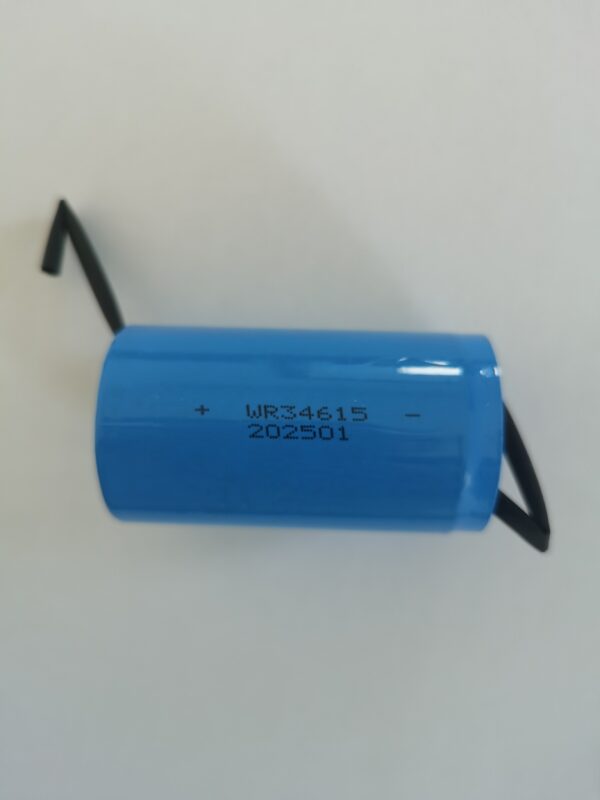
Li-SO₂ Battery for Wilderness Survival Emergency Signaling Devices
In the realm of wilderness survival and emergency response, reliable power sources are not merely convenient—they are mission-critical. Among primary battery chemistries, the Lithium-Sulfur Dioxide (Li-SO₂) battery stands out as an optimal choice for emergency signaling devices operating in extreme environments. This article examines the technical advantages, operational principles, and procurement considerations of Li-SO₂ batteries for survival equipment manufacturers and technical buyers.
Understanding Li-SO₂ Battery Technology
Li-SO₂ batteries belong to the lithium metal primary battery family, featuring lithium as the anode and sulfur dioxide as the cathode active material. The electrochemical reaction produces lithium dithionite (Li₂S₂O₄) as a discharge product, delivering a nominal voltage of 3.0V per cell. Unlike rechargeable lithium-ion systems, primary lithium batteries offer superior energy density and shelf life, making them ideal for devices that remain dormant for extended periods before emergency activation.
The key distinction lies in the electrolyte composition. Li-SO₂ cells utilize an organic solvent with dissolved SO₂, which serves both as cathode material and electrolyte component. This design enables operation across an exceptional temperature range from -55°C to +70°C, far exceeding conventional alkaline or lithium-ion alternatives.
Critical Performance Advantages for Survival Applications
Extended Shelf Life: Li-SO₂ batteries maintain over 90% capacity after 10 years of storage at ambient conditions. For emergency signaling devices that may sit unused for years, this characteristic ensures immediate functionality when lives depend on it.
Wide Temperature Tolerance: Wilderness environments present extreme thermal challenges. Li-SO₂ chemistry remains stable and deliverable in arctic cold and desert heat, unlike standard batteries that experience significant capacity loss or complete failure below -20°C.
High Pulse Current Capability: Emergency beacons and signaling devices require brief high-current bursts for transmission. Li-SO₂ cells support pulse discharge rates up to 5C without voltage collapse, ensuring signal integrity during critical moments.
Low Self-Discharge Rate: Annual self-discharge remains below 1%, preserving battery capacity throughout the device’s service life without maintenance requirements.
Technical Specifications for Engineering Teams
When specifying Li-SO₂ batteries for survival equipment, engineers should consider the following parameters:
- Nominal Voltage: 3.0V
- Operating Temperature: -55°C to +70°C
- Energy Density: 250-300 Wh/kg
- Shelf Life: 10+ years
- Passivation Layer: Natural Li₂S₂O₄ film protects anode during storage
The passivation layer forms naturally during storage, preventing continuous self-discharge. Upon load application, this layer breaks down momentarily, allowing current flow. This mechanism explains the brief voltage delay sometimes observed during initial activation—a normal characteristic that should be accounted for in device firmware design.
Safety and Regulatory Compliance
Li-SO₂ batteries are classified as Class 9 hazardous materials for transportation due to pressurized SO₂ content. Manufacturers must ensure compliance with UN 3090 shipping regulations and IATA dangerous goods requirements. For end-users, sealed construction prevents electrolyte leakage, though devices should incorporate pressure relief mechanisms for abnormal conditions.
Certification requirements vary by market. CE marking, UL recognition, and UN 38.3 testing represent minimum standards for global distribution. Technical procurement teams should verify supplier documentation before integration.
Procurement Considerations for B2B Buyers
Selecting the right Li-SO₂ battery partner requires evaluating several factors beyond unit cost. Manufacturing consistency, quality control systems, and technical support capability directly impact device reliability. Established suppliers provide batch traceability, custom form factors, and application engineering support throughout product development cycles.
Lead times typically range from 8-12 weeks for standard configurations, with custom designs requiring additional validation periods. Minimum order quantities vary by manufacturer, often starting at 1,000 units for standard cells.
For technical specifications, customization options, or direct procurement inquiries, visit https://cnsbattery.com/primary-battery/ to explore available Li-SO₂ battery configurations suitable for emergency signaling applications.
Integration Best Practices
Successful integration requires attention to circuit design. Incorporate reverse polarity protection, as Li-SO₂ cells cannot tolerate reverse charging. Design contact systems to minimize resistance, preserving voltage during high-pulse transmission. Consider parallel configurations for extended runtime, though series connections require cell matching to prevent imbalance.
Storage recommendations include maintaining 15-25°C ambient conditions with 50% relative humidity. Avoid stacking pressures exceeding manufacturer specifications, as mechanical stress can compromise cell integrity.
Conclusion
For wilderness survival emergency signaling devices, Li-SO₂ batteries represent the optimal balance of reliability, longevity, and environmental tolerance. Their proven performance in extreme conditions makes them the preferred choice for military, aerospace, and professional rescue equipment manufacturers. Technical teams specifying power systems for life-critical applications should prioritize verified suppliers with documented quality systems and regulatory compliance.
For direct communication with battery specialists regarding project requirements, technical documentation, or custom solutions, contact the team at https://cnsbattery.com/primary-battery-contact-us/ to initiate detailed discussions about your specific application needs.
The investment in quality Li-SO₂ power systems pays dividends when emergency devices must perform flawlessly after years of storage in challenging conditions. For B2B buyers and engineering teams, understanding these technical fundamentals ensures informed procurement decisions that ultimately protect end-user safety in wilderness survival scenarios.
