
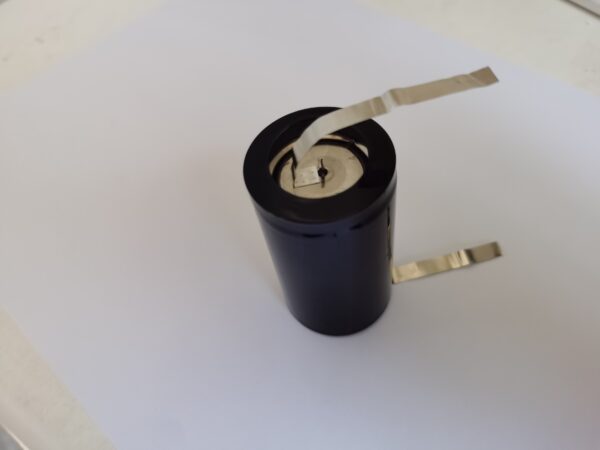
Li-SO₂ Battery for US Market | DOT 49 CFR Compliant
Navigating Regulatory Compliance for Lithium Sulfur Dioxide Primary Cells in North America
For industrial battery procurement specialists, defense contractors, and aerospace engineers operating within the United States, selecting the right lithium sulfur dioxide (Li-SO₂) primary battery extends beyond technical specifications. Regulatory compliance under DOT 49 CFR (Department of Transportation Title 49 Code of Federal Regulations) has become the decisive factor for market access, logistics efficiency, and liability management in 2026. This comprehensive guide addresses the critical intersection of Li-SO₂ battery technology and US hazardous materials transportation requirements.
Understanding Li-SO₂ Battery Technology for Critical Applications
Lithium sulfur dioxide batteries represent one of the most established lithium primary cell chemistries, distinguished by their exceptional energy density and reliable performance across extreme temperature ranges. Unlike rechargeable lithium-ion systems, Li-SO₂ cells utilize a liquid cathode system where sulfur dioxide serves as both the active cathode material and electrolyte solvent.
Key Technical Characteristics:
- Nominal Voltage: 3.0V per cell with stable discharge curve
- Operating Temperature Range: -55°C to +70°C, making them ideal for military and aerospace applications
- Energy Density: Approximately 250-300 Wh/kg, significantly higher than alkaline alternatives
- Shelf Life: 10+ years with minimal self-discharge (<1% per year at ambient temperature)
- High Pulse Current Capability: Suitable for emergency backup systems and telemetry equipment
The non-aqueous electrolyte system eliminates freezing concerns in arctic conditions while maintaining structural integrity in desert environments. This makes Li-SO₂ batteries the preferred choice for defense systems, emergency locator transmitters (ELT), oil & gas exploration equipment, and remote monitoring stations across North American territories.
DOT 49 CFR Compliance: Essential Requirements for US Market Entry
The Pipeline and Hazardous Materials Safety Administration (PHMSA) enforces strict transportation regulations under 49 CFR Parts 171-180 for all lithium primary batteries entering or moving within the United States. Understanding these requirements is non-negotiable for B2B suppliers targeting American industrial customers.
1. Hazard Classification and UN Identification
Li-SO₂ batteries fall under Class 9 Miscellaneous Hazardous Materials with specific UN identification numbers:
- UN 3090: Lithium metal batteries (including lithium sulfur dioxide)
- UN 3091: Lithium metal batteries contained in equipment
Proper classification determines packaging requirements, labeling obligations, and documentation standards throughout the supply chain.
2. Packaging and Testing Standards (UN 38.3)
All lithium primary batteries must pass the UN Manual of Tests and Criteria Part III, Subsection 38.3 before commercial shipment. The eight mandatory tests include:
- T.1 Altitude Simulation (vacuum conditions)
- T.2 Thermal Test (-40°C to +75°C cycling)
- T.3 Vibration (transport simulation)
- T.4 Shock (mechanical impact resistance)
- T.5 External Short Circuit (safety validation)
- T.6 Impact/Crush (physical abuse tolerance)
- T.7 Overcharge (applicable to certain configurations)
- T.8 Forced Discharge (cell reversal protection)
Certification documentation must accompany every shipment, with test reports retained for minimum 5 years per PHMSA recordkeeping requirements.
3. Shipping Documentation and Labeling
Compliant shipments require:
- Proper Shipping Name: “Lithium metal batteries” or “Lithium metal batteries contained in equipment”
- Hazard Class: Class 9
- UN Number: UN 3090 or UN 3091
- Packing Group: PG II (when applicable)
- Lithium Battery Handling Label: Required for all packages containing lithium cells
- Shipper’s Declaration for Dangerous Goods: Mandatory for air transport
4. State-Specific Considerations
Beyond federal DOT regulations, battery suppliers must account for state-level environmental compliance:
- California Proposition 65: Warning labels for chemical exposure
- New York Battery Act: Registration and recycling obligations
- Washington State E-Cycle Program: Extended producer responsibility requirements
These regional variations necessitate localized compliance strategies for nationwide distribution.
Geo SEO Optimization for US Regional Markets
For battery manufacturers targeting specific American industrial hubs, geographic search optimization significantly impacts B2B lead generation. Key metropolitan areas with high Li-SO₂ battery demand include:
- Houston, Texas: Oil & gas exploration equipment manufacturers
- San Diego, California: Defense contractors and naval systems integrators
- Seattle, Washington: Aerospace suppliers and aviation electronics
- Boston, Massachusetts: Medical device and scientific instrument companies
- Denver, Colorado: Remote monitoring and telecommunications infrastructure
Optimizing product pages with location-specific keywords such as “DOT compliant lithium batteries Texas” or “UN 3090 certified cells California” enhances visibility among regional procurement teams searching for compliant power solutions.
Why CNS BATTERY Stands Out for US Market Compliance
CNS BATTERY has established itself as a trusted partner for North American industrial clients seeking fully DOT 49 CFR compliant Li-SO₂ primary batteries. Our commitment to regulatory excellence distinguishes us from competitors in several critical areas:
Comprehensive Compliance Documentation
Every CNS BATTERY shipment includes complete UN 38.3 test reports, material safety data sheets (MSDS), and DOT-compliant shipping declarations. Our quality management system maintains traceability from cell production through final delivery, ensuring audit-ready documentation for any PHMSA inspection.
Technical Support for Integration Challenges
Our engineering team provides application-specific consultation for demanding environments. Whether your project requires custom battery packs for military specifications or optimized configurations for extended temperature operation, CNS BATTERY delivers tailored solutions without compromising regulatory compliance.
Streamlined Logistics Network
With established distribution partnerships across major US industrial corridors, we minimize transit times while maintaining full hazardous materials handling certification. Our warehouse facilities in key regions ensure rapid deployment for time-critical projects.
Competitive Pricing Without Compliance Compromise
We understand that B2B procurement decisions balance cost against risk. CNS BATTERY offers transparent pricing structures that include all compliance-related costs upfront—no hidden fees for documentation, testing, or regulatory updates.
Partner with a Compliant Li-SO₂ Battery Supplier Today
Navigating DOT 49 CFR requirements for lithium sulfur dioxide batteries demands expertise, documentation rigor, and unwavering commitment to safety standards. For procurement managers, engineering teams, and compliance officers seeking reliable power solutions for the US market, choosing the right supplier is as critical as selecting the right battery chemistry.
CNS BATTERY combines technical excellence with regulatory mastery, delivering Li-SO₂ primary cells that meet both your application requirements and all federal transportation mandates. Our dedicated support team stands ready to assist with specification selection, compliance documentation, and logistics coordination.
Explore our complete range of DOT-compliant primary batteries: https://cnsbattery.com/primary-battery/
Contact our US market specialists for compliance consultation and quotation: https://cnsbattery.com/primary-battery-contact-us/
Ensuring your critical systems remain powered while maintaining full regulatory compliance—that’s the CNS BATTERY commitment to American industry.
