
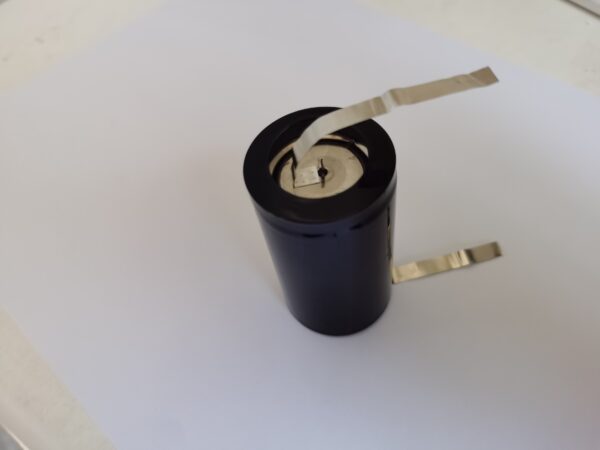
Li-SO₂ Battery for Urban Air Mobility eVTOL Emergency Power
The Urban Air Mobility (UAM) sector is witnessing unprecedented growth as we move through 2026. With Electric Vertical Takeoff and Landing (eVTOL) aircraft transitioning from prototype to commercial certification, the demand for ultra-reliable power systems has never been more critical. While main traction batteries garner significant attention, the emergency power system remains the silent guardian of flight safety. For industry practitioners and B2B stakeholders across North America, Europe, and the Asia-Pacific region, selecting the right chemistry for this backup role is paramount. Lithium Sulfur Dioxide (Li-SO₂) primary batteries have emerged as the definitive solution for eVTOL emergency power applications, offering a unique blend of energy density, stability, and environmental resilience.
The Critical Role of Emergency Power in eVTOL Architecture
In the architecture of an eVTOL aircraft, redundancy is not optional; it is a regulatory mandate. Aviation authorities such as the FAA and EASA require robust backup systems to ensure safe landing in the event of main power failure. These emergency systems power essential avionics, flight control computers, and communication modules during critical phases of flight. Unlike consumer electronics, aviation-grade power sources must operate flawlessly after years of dormancy and under extreme physical stress. This is where Li-SO₂ technology distinguishes itself from conventional lithium-ion or other primary chemistries.
Technical Advantages of Li-SO₂ Chemistry
From a technical perspective, Li-SO₂ batteries offer specific characteristics that align perfectly with aviation requirements.
1. High Energy Density and Voltage Stability
Li-SO₂ cells provide a high energy density, allowing for compact battery packs that minimize weight—a crucial factor in aircraft design. They maintain a stable voltage plateau throughout most of the discharge cycle, ensuring that sensitive avionics receive consistent power without fluctuation. This stability is vital for maintaining data integrity and control system responsiveness during an emergency.
2. Extreme Temperature Performance
eVTOL aircraft operate in diverse environments, from the freezing upper altitudes to hot tarmac conditions. Li-SO₂ batteries are renowned for their wide operating temperature range, typically functioning effectively from -55°C to +70°C. This thermal resilience ensures that the emergency power system remains active regardless of external climatic conditions, a key consideration for operators in regions with harsh seasonal variations.
3. Long Shelf Life and Low Self-Discharge
Emergency power systems may remain inactive for extended periods. Li-SO₂ batteries exhibit an extremely low self-discharge rate, often less than 1% per year. This capability allows for storage periods of up to 10 years without significant capacity loss, reducing maintenance costs and ensuring readiness when needed most. For B2B procurement teams, this translates to lower total cost of ownership and simplified logistics.
Safety and Compliance in Aviation Applications
Safety is the cornerstone of aviation. Li-SO₂ batteries are typically housed in hermetically sealed stainless steel cases, providing superior protection against moisture, corrosion, and mechanical shock. This construction meets rigorous aviation standards for vibration and impact resistance. Furthermore, the chemistry is well-understood and has a long history of reliable performance in aerospace applications, facilitating the certification process for eVTOL manufacturers.
Compliance with international transport regulations, such as UN 38.3, is essential for global supply chains. Reputable manufacturers ensure that their Li-SO₂ cells meet these standards, enabling seamless shipping to assembly plants in the United States, Germany, China, and beyond. For detailed specifications on compliant aviation-grade cells, industry partners can explore our comprehensive product catalog.
B2B Partnership and Supply Chain Reliability
For eVTOL OEMs and system integrators, the battery supplier is a strategic partner. The complexity of urban air mobility requires a supply chain that is both resilient and responsive. Manufacturers must provide not only high-quality cells but also technical support for custom pack design, BMS integration, and regulatory documentation.
As the eVTOL market scales, the ability to deliver consistent quality across large volumes is critical. Partners should look for suppliers with proven track records in primary lithium technology and the capacity to support long-term production runs. Whether you are based in Silicon Valley, Munich, or Shenzhen, accessing a reliable source of high-performance primary batteries is key to your certification timeline.
Conclusion: Powering the Future of Flight
The transition to sustainable urban air mobility relies on every component performing flawlessly. Li-SO₂ batteries provide the reliability, energy density, and environmental tolerance required for eVTOL emergency power systems. As the industry matures in 2026, choosing the right power solution is a strategic decision that impacts safety, certification, and operational efficiency.
For aerospace engineers and procurement specialists seeking specialized primary battery solutions, collaboration with an experienced manufacturer is essential. We invite industry stakeholders to discuss their specific requirements and explore how our technology can support their eVTOL projects. To initiate a technical consultation or request a quote, please visit our contact page. Together, we can ensure that the future of urban air mobility is built on a foundation of safety and reliability.
