
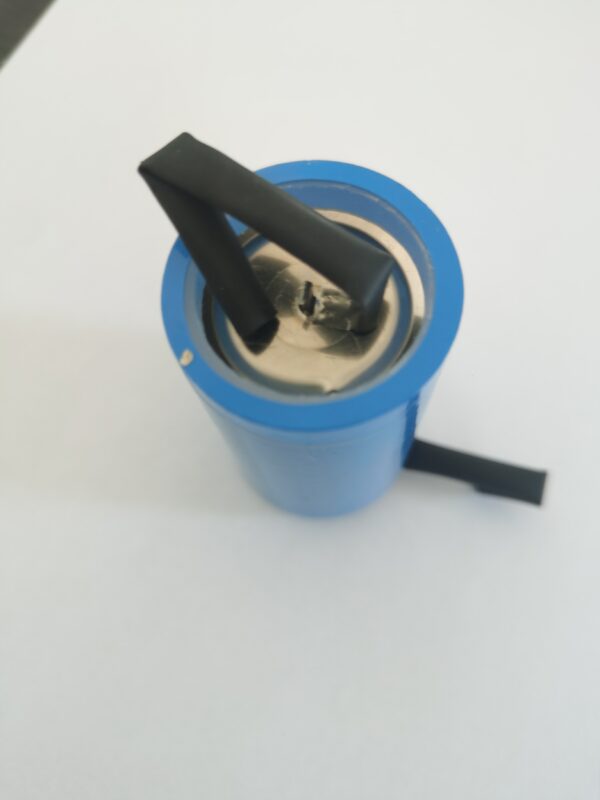
Here is the SEO-optimized article tailored for a B2B audience, focusing on the technical and operational advantages of Lithium-SO₂ technology for tactical applications.
The Unmatched Reliability of Li-SO₂ Batteries for Police SWAT Tactical Radios
In high-stakes law enforcement operations, the failure of critical communication equipment is not an option. While rechargeable Lithium-ion batteries dominate the consumer market, primary lithium batteries—specifically Lithium-Thionyl Chloride (Li-SOCl₂) and the related Lithium-Sulfur Dioxide (Li-SO₂) chemistries—remain the gold standard for mission-critical, long-duration tactical gear. For Police SWAT teams operating in unpredictable environments, the shift towards non-rechargeable lithium solutions is driven by the need for absolute reliability, extreme temperature tolerance, and extended shelf life. This article explores why Li-SO₂ technology is the superior choice for powering next-generation tactical radios.
Why Primary Lithium Chemistry is Critical for Tactical Survival
Tactical radios used by SWAT units are not typical consumer electronics. They require power sources that can withstand the rigors of combat, surveillance, and emergency response without degradation.
1. Extreme Temperature Performance
SWAT operations can occur in the dead of winter or the heat of summer. Unlike standard Lithium-ion batteries, which suffer from rapid capacity loss in sub-zero temperatures, Li-SO₂ batteries operate effectively in a wide temperature range (typically -55°C to +85°C). This is because the electrolyte in these primary battery systems remains stable and conductive even under extreme cold, ensuring that the radio powers on instantly during a critical extraction or hostage situation.
2. Decades-Long Shelf Life
One of the most critical factors for emergency response gear is readiness. Primary lithium batteries do not suffer from the self-discharge issues that plague secondary (rechargeable) cells. A Li-SO₂ battery can sit on a shelf or in a patrol car for 10 to 15 years with minimal capacity loss. For SWAT teams, this means gear pulled from storage during a crisis will have full power, eliminating the guesswork associated with checking charge levels on standard batteries.
Technical Advantages: Voltage and Pulse Power
The core advantage of Li-SO₂ chemistry lies in its electrochemical properties. Unlike Lithium-Manganese Dioxide (Li-MnO₂) cells that provide a nominal 3V, Lithium-Sulfur Dioxide cells deliver a nominal voltage of 3.0V per cell, which stacks efficiently to meet the specific voltage requirements of high-power tactical transmitters.
- High Energy Density: These cells pack significantly more energy per unit weight than alkaline or Nickel-Metal Hydride (NiMH) batteries. This reduces the physical load on officers while extending operational time.
- Pulse Power Capability: Tactical radios often require high current pulses during transmission. Li-SO₂ batteries are renowned for their ability to deliver high pulse currents without voltage sag, ensuring clear, uninterrupted signal transmission even during extended bursts.
Operational Safety and Ruggedness
Safety is paramount when equipment is carried close to the body or stored in confined spaces. Primary lithium batteries are hermetically sealed and utilize non-aqueous electrolytes, making them inherently safer than aqueous systems that can leak and cause corrosion.
- Hermetic Sealing: The robust construction of Li-SO₂ cells prevents electrolyte leakage, even under physical shock or vibration.
- Low Maintenance: Since these are non-rechargeable, there is no need for charging infrastructure in the field. This simplifies logistics for rapid deployment units where access to power may be limited.
Applications in Modern SWAT Gear
While the term “Li-SO₂” is often used generically, the specific application in Police SWAT Tactical Radios highlights the need for customization. These batteries are frequently designed as:
- Bobbin-type Cells: For high reliability and long life in low-drain monitoring devices.
- Spiral Wound Cells: For high-drain applications like high-power radio transmission, offering the necessary pulse power.
Manufacturers specializing in primary battery solutions often work directly with radio OEMs to create custom form factors that fit seamlessly into existing radio handsets without compromising the ergonomics required for tactical handling.
Partnering with a Specialized Manufacturer
Selecting the right power source for life-saving equipment requires a partner with deep expertise in primary lithium technology. It is essential to source these cells from manufacturers who adhere to strict quality management systems and possess the R&D capability to test batteries under simulated tactical conditions.
For teams looking to upgrade their communication reliability or for OEMs designing the next generation of tactical gear, consulting with a specialist ensures that the Li-SO₂ cells meet the specific voltage, current, and environmental demands of the mission.
If you are seeking a reliable power solution for high-performance tactical radios or require custom primary battery development for specialized equipment, it is crucial to engage with a manufacturer that understands the unique demands of law enforcement and defense applications. For expert consultation and product information, visit our Product Center or get in touch with our technical team directly through our Contact Us page.
