
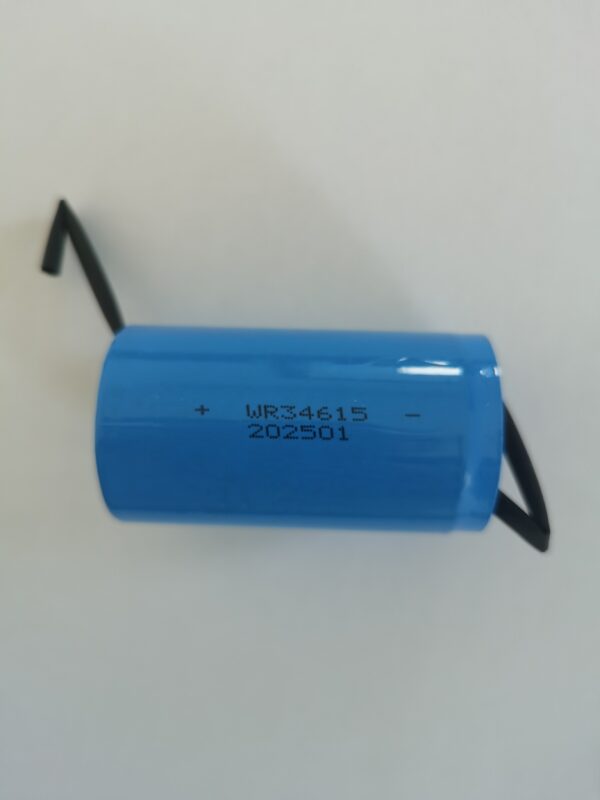
Here is the SEO-optimized article tailored for your requirements, designed to rank for relevant technical queries while providing actionable value to engineering and procurement professionals.
The Ultimate Selection Guide: Lithium-SO₂ Batteries for Military Radios
In the high-stakes environment of military operations, communication is not just a convenience—it is a lifeline. When selecting power sources for military-grade radios, reliability under extreme conditions is paramount. While Lithium-Ion (Li-ion) batteries dominate consumer electronics, Lithium-SO₂ (Lithium-Thionyl Chloride) batteries remain the gold standard for specific defense applications due to their unmatched energy density and operational stability in harsh environments.
This guide cuts through the technical jargon to provide a rigorous analysis of why and how to select the right primary lithium batteries for mission-critical radio systems. We will explore the electrochemical fundamentals, analyze performance trade-offs, and provide a structured selection framework for technical buyers and engineers.
Why Lithium-SO₂? The Electrochemical Advantage
To understand the dominance of Lithium-SO₂ in military comms, we must first look at the chemistry. Unlike secondary (rechargeable) batteries, primary lithium batteries are designed for maximum energy density and long-term storage.
The Core Reaction:
The Lithium-SO₂ battery utilizes Lithium (Li) as the anode and Thionyl Chloride (SOCl₂) as both the cathode and the electrolyte solvent. The electrochemical reaction is as follows:
Note: This is a simplified representation. Actual discharge involves complex intermediate steps.
Key Performance Characteristics:
- High Voltage: A nominal voltage of 3.6V, which is significantly higher than alkaline (1.5V) or Nickel-Cadmium (1.2V) cells. This allows for fewer cells in a battery pack, reducing weight—a critical factor for dismounted soldiers.
- Wide Temperature Range: Capable of operating from -55°C to +85°C. This ensures that radios function reliably in arctic conditions or desert heat without thermal runaway risks associated with some Li-ion chemistries.
- Low Self-Discharge: With an annual self-discharge rate of less than 1%, these batteries can be stored for over 10 years without maintenance, making them ideal for strategic reserves.
Selection Criteria: Matching the Battery to the Radio
Selecting the wrong battery can lead to voltage delay issues or catastrophic failure. Here is how to evaluate your options systematically.
1. Voltage Delay vs. Instant Power
One of the most misunderstood aspects of Lithium-SO₂ technology is the “voltage delay.”
- The Phenomenon: When a high load is first applied, there is a brief period (seconds to minutes) where the voltage drops below the nominal level before stabilizing. This occurs because the chemical reaction needs time to initiate fully.
- The Solution: If your radio requires instant high power, you must select a battery with a hybrid design or pair the Li-SO₂ cell with a capacitor or a secondary (rechargeable) cell to bridge the gap during the initial load application.
2. Pulse Power Capability
Modern military radios are rarely in a constant “on” state; they operate in high-current pulses during transmission.
- Impedance Management: As the battery discharges, internal resistance increases. You must calculate the maximum pulse current your radio draws and ensure the selected cell’s internal impedance remains low enough to support it throughout the battery’s lifespan.
- Rule of Thumb: For high-pulse applications, consider bobbin-type construction cells, which offer better pulse performance compared to spirally wound cells, albeit with slightly lower capacity.
3. Hermetic Sealing and Safety
Military environments involve exposure to moisture, dust, and physical shock.
- Construction: Look for cells with laser-welded hermetic seals. A breach in a Lithium-SO₂ cell can result in the release of toxic SO₂ gas.
- Venting: Ensure the cell has a safety vent mechanism that activates at a specific pressure to prevent explosion under abusive conditions.
Comparison: Lithium-SO₂ vs. Alternatives
To help you make an informed decision, we have compared Lithium-SO₂ against other common chemistries used in tactical gear.
| Feature | Lithium-SO₂ (Li-SOCl₂) | Lithium-Manganese Dioxide (Li-MnO₂) | Lithium-Ion (Li-ion) |
|---|---|---|---|
| Nominal Voltage | 3.6V | 3.0V | 3.6V / 3.7V |
| Energy Density | Extremely High | High | Moderate |
| Self-Discharge | <1% per year | <1% per year | ~2-3% per month |
| Voltage Delay | Yes (under load) | No | No |
| Best Use Case | Long-duration comms, GPS, IFF | Memory backup, low-drain devices | High-drain, rechargeable devices |
Application Engineering: Beyond the Datasheet
Selecting a battery is not just about the cell; it is about the system integration.
Thermal Management:
While Lithium-SO₂ batteries operate well in the cold, the chemical reaction generates heat during discharge. In confined spaces or high-drain scenarios, this can lead to localized heating. Ensure your radio housing allows for adequate heat dissipation or consider thermal interface materials.
Logistics and Shelf Life:
If your procurement cycle involves storing batteries for years before deployment, Lithium-SO₂ is the only viable option. A battery sitting on a shelf for 5 years will retain over 95% of its capacity, whereas a pre-charged Li-ion battery would need to be topped up and might suffer from capacity fade.
Partnering with a Technical Manufacturer
Navigating the complexities of military power requirements requires a partner who understands both the chemistry and the application.
At CNS Battery, we specialize in providing custom primary lithium solutions tailored to the rigorous demands of defense electronics. Whether you need a standard cell for evaluation or a fully customized battery management system for a new radio platform, our R&D team works directly with your engineering staff to ensure compatibility and reliability.
Ready to power your next mission?
Explore our full range of primary battery technologies and connect with our technical sales team for a consultation.
Explore Primary Battery Solutions
Contact Us for a Technical Consultation
