
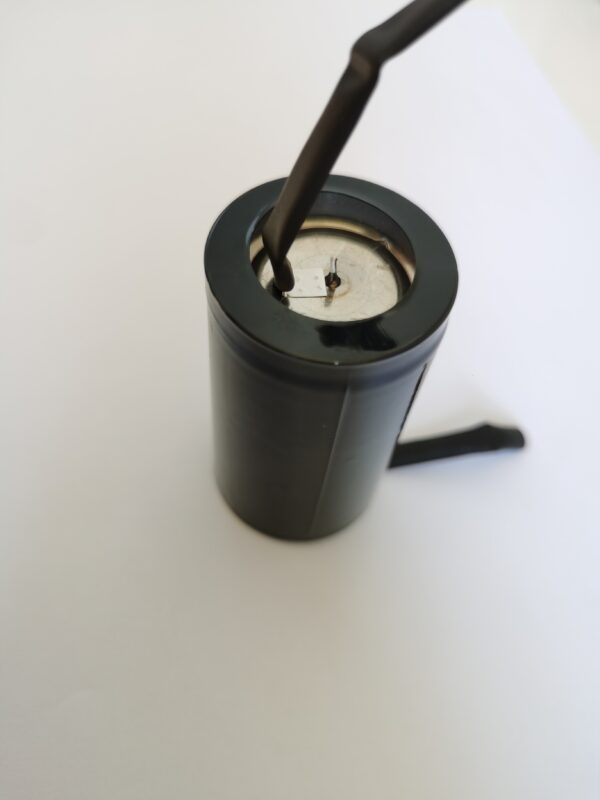
The Critical Role of Li-SO₂ Batteries in Modern Military PASS Devices
In the high-stakes environment of modern combat and tactical operations, every piece of equipment must perform flawlessly. Among the most vital gear is the Personal Alert Safety System (PASS), designed to signal distress or immobility. While the mechanics of the alarm are crucial, the silent workhorse powering this life-saving signal is often overlooked: the Lithium-Sulfur Dioxide (Li-SO₂) battery.
For military procurement officers, defense OEMs, and safety equipment manufacturers, selecting the right power source is not just about voltage; it is about reliability under duress. This article explores why Li-SO₂ technology is the superior choice for military-grade PASS devices, focusing on its technical advantages, environmental resilience, and the specific demands of modern warfare.
Why Lithium-SO₂ is the Standard for Tactical Alarms
Military operations demand power solutions that can withstand extremes. Unlike commercial smoke detectors or standard consumer alarms, military PASS devices must function after being exposed to mud, saltwater, extreme cold, and physical shock.
1. Unrivaled Energy Density
Space and weight are at a premium for soldiers. A Li-SO₂ battery offers one of the highest energy densities among primary (non-rechargeable) battery chemistries. This means a smaller, lighter battery can power a high-decibel alarm for extended periods, ensuring the device remains active throughout long missions without adding unnecessary bulk to the soldier’s load.
2. Extreme Temperature Performance
One of the most significant advantages of Li-SO₂ chemistry is its ability to operate in sub-zero conditions. While alkaline or zinc-carbon batteries lose capacity rapidly in the cold, Li-SO₂ batteries maintain their voltage output even at temperatures as low as -55°C (-67°F). This is critical for special forces operating in arctic environments or high-altitude regions where standard batteries would fail instantly.
3. Long Shelf Life and Safety
PASS devices are safety equipment; they sit dormant for years until an emergency occurs. Li-SO₂ batteries boast a shelf life of 10 to 15 years without significant self-discharge. Furthermore, their hermetically sealed construction prevents leakage, a common issue with zinc-based batteries that can corrode and destroy sensitive electronics over time.
Technical Deep Dive: The “Voltage Delay” Phenomenon
When discussing Li-SO₂ batteries, engineers and technicians must understand the concept of voltage delay. This is a unique characteristic of this chemistry that directly impacts how PASS devices are designed.
Understanding the Mechanism
Lithium-Sulfur Dioxide batteries generate electricity through the reaction of Lithium (anode) and Sulfur Dioxide (cathode). When the device is first activated, the chemical reaction requires a brief moment to stabilize. This results in a temporary voltage drop (delay) of a few seconds before the battery reaches its nominal voltage (typically 3.0V).
Design Implications for PASS Systems
For a military PASS device, this delay is not a flaw but a factor that must be engineered around. Designers must ensure that the device’s circuitry includes capacitors or logic to manage this initial surge and delay, ensuring that the “Check” or “Test” function of the alarm does not误判 the delay as a low battery. Understanding this characteristic allows OEMs to build more reliable systems that leverage the high power of Li-SO₂ without compromising on signal integrity.
Environmental Ruggedness: Beyond the Spec Sheet
Military specifications (MIL-SPEC) are rigorous, and the power source must meet these standards. Li-SO₂ batteries are inherently robust, but their integration into a PASS device requires specific considerations.
Resistance to Physical Shock
Combat zones are chaotic. Equipment is dropped, dragged, and subjected to vibrations from transport. The solid-state construction of Li-SO₂ cells makes them highly resistant to physical shock. Unlike liquid electrolyte batteries that can leak or short-circuit if punctured, Li-SO₂ cells are less prone to catastrophic failure, ensuring the alarm remains functional even after rough handling.
Vibration and Humidity Resistance
Modern warfare involves rapid deployment via helicopter, armored vehicle, or amphibious landing. The batteries must resist continuous vibration without losing contact or degrading. Additionally, the hermetic seal of Li-SO₂ cells prevents moisture ingress, making them ideal for jungle, maritime, or amphibious operations where humidity is a constant threat.
Comparative Analysis: Li-SO₂ vs. Alternatives
To fully appreciate the value of Lithium-SO₂, it is helpful to compare it directly with other common battery types used in safety equipment. The table below outlines the key differences relevant to military applications.
| Feature | Li-SO₂ (Lithium Sulfur Dioxide) | Li-MnO₂ (Lithium Manganese Dioxide) | Alkaline/Zinc-Carbon |
|---|---|---|---|
| Operating Temp | -55°C to +70°C | -20°C to +60°C | 0°C to +50°C |
| Energy Density | Very High | High | Medium |
| Shelf Life | 10-15 Years | 10 Years | 3-5 Years |
| Voltage Delay | Yes (Requires design consideration) | No | No |
| Leakage Risk | Very Low (Hermetic Seal) | Low | High (Especially after 2 years) |
| Best Use Case | Military, Arctic, Long-term Storage | Consumer Electronics, General Use | Low-drain, Short-term devices |
Analysis: For military applications where the device may sit in storage for a decade before being deployed to a freezing battlefield, the Li-SO₂ is the only chemistry that guarantees performance without maintenance.
Procurement and Compliance: Ensuring Mission Readiness
For B2B buyers and military logistics officers, selecting a battery supplier involves more than just technical specs; it involves supply chain security and compliance.
Regulatory Compliance
When sourcing Li-SO₂ batteries for military use, it is essential to verify compliance with international shipping and safety regulations. These batteries fall under specific UN classifications for transport (UN 3090 for Lithium metal batteries). A reputable manufacturer must provide the necessary Material Safety Data Sheets (MSDS) and UN 38.3 test certifications to ensure smooth logistics and storage.
Supply Chain Resilience
Military operations cannot afford supply chain interruptions. Buyers should look for manufacturers with vertical integration capabilities, ensuring that the supply of raw materials (Lithium, SO₂) is secure and that production is not subject to the volatility of the consumer market.
Quality Control
Every batch of batteries destined for a PASS device must undergo rigorous testing. This includes:
- Pulse Testing: Simulating the high current draw of an alarm siren.
- Temperature Cycling: Verifying performance after exposure to extreme heat and cold.
- Leak Testing: Ensuring the hermetic seal remains intact after vibration and shock.
Conclusion: Powering the Signal That Saves Lives
In the complex ecosystem of military gear, the Li-SO₂ battery is a small component with a massive responsibility. It is the difference between a silent failure and a blaring alarm that alerts comrades to a downed soldier.
For manufacturers and procurement specialists, choosing a Li-SO₂ solution is a strategic decision rooted in physics and chemistry. It guarantees that when the environment is at its worst—freezing, wet, and chaotic—the Personal Alert Safety System will activate without hesitation.
If you are developing or sourcing equipment for defense applications, do not compromise on the power source. Ensure your PASS devices are equipped with the most reliable primary batteries on the market.
For technical inquiries regarding high-reliability Li-SO₂ solutions for defense OEMs, contact our engineering team. We specialize in providing ruggedized power solutions that meet the specific thermal and logistical demands of modern militaries.
Explore our range of Primary Battery Solutions for Defense Applications
