
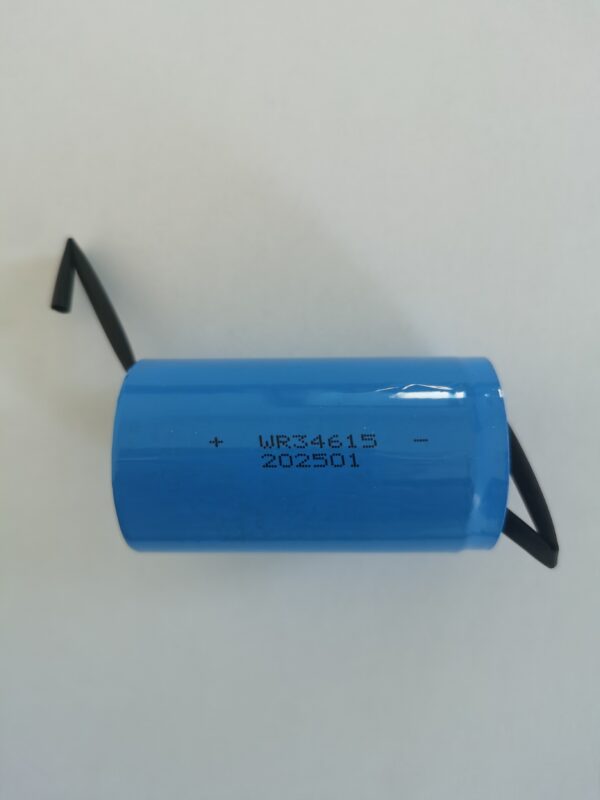
Li-SO₂ Battery for Coast Guard Rescue Boat Emergency Beacons: Technical Deep Dive for Global Compliance
Introduction
Lithium Sulfur Dioxide (Li-SO₂) batteries represent the gold standard for Coast Guard rescue boat emergency beacon applications, delivering unmatched reliability in extreme maritime environments. As maritime safety regulations tighten across the EU, US, and Asia-Pacific regions, selecting the right primary battery technology becomes critical for compliance and operational effectiveness. This technical analysis examines why Li-SO₂ chemistry dominates emergency beacon power systems and how manufacturers can ensure regional regulatory alignment.
Core Technical Advantages for Maritime Emergency Systems
1. Exceptional Temperature Performance
Li-SO₂ batteries operate reliably across -55°C to +70°C temperature ranges, essential for rescue boats operating in Arctic waters or tropical storm conditions. The electrochemical reaction between lithium anode and sulfur dioxide catholyte maintains stable voltage output even during prolonged storage at extreme temperatures. This performance envelope exceeds typical Li-MnO₂ alternatives by 25°C on both ends of the spectrum.
2. High Energy Density & Long Shelf Life
With gravimetric energy density reaching 280-330 Wh/kg, Li-SO₂ cells provide extended standby periods critical for emergency beacons that may remain inactive for 5-10 years before deployment. Self-discharge rates below 1% per year ensure beacon readiness without maintenance intervals. For Coast Guard vessels operating remote patrol routes, this eliminates costly battery replacement cycles.
3. Pulse Power Capability
Emergency beacon transmission requires high-current pulses (1-5A) during SOS signal emission. Li-SO₂ chemistry delivers pulse currents up to 10C rate without significant voltage depression, maintaining EPIRB (Emergency Position Indicating Radio Beacon) transmission integrity throughout the battery lifecycle.
Critical Testing Protocols for Maritime Certification
Environmental Stress Testing
Maritime battery systems must pass IEC 60092-501 standards for shipboard electrical installations. Key test parameters include:
- Salt spray corrosion resistance (ASTM B117, 500+ hours)
- Vibration testing per MIL-STD-810G for vessel motion simulation
- Thermal cycling between -40°C and +70°C for 100+ cycles
- Humidity exposure at 95% RH for extended periods
Safety & Compliance Validation
Regional certification requirements vary significantly:
- EU Market: UN 38.3 transport certification + CE marking under Marine Equipment Directive (MED) 2014/90/EU
- US Coast Guard: Compliance with 46 CFR Part 161 for emergency equipment + UL 1642 safety standards
- Asia-Pacific: Alignment with IMO (International Maritime Organization) resolution A.810(19) for EPIRB systems
Manufacturers must maintain documented test reports for each production batch, with traceability to cell-level serial numbers for recall management.
CNS Battery: Regional Compliance & Technical Barriers
Navigating global maritime battery procurement requires understanding regional technical barriers. CNS Battery’s Li-SO₂ primary battery portfolio addresses these compliance challenges through dedicated certification pathways for each major maritime market.
EU Adaptation Strategy
European maritime operators face stringent RoHS and REACH chemical restrictions. CNS Battery’s EU-compliant cells feature restricted substance documentation with full material disclosure, enabling seamless integration into MED-certified beacon systems. The company maintains testing facilities in Rotterdam for rapid compliance verification.
US Coast Guard Alignment
American rescue boat operators require batteries meeting USCG Type Approval standards. CNS Battery’s production lines incorporate automated testing protocols aligned with 46 CFR requirements, with third-party validation from US-based testing laboratories. This eliminates import delays at US ports.
Technical Support Infrastructure
For engineering teams evaluating Li-SO₂ options, CNS Battery provides application-specific technical documentation including discharge curves, impedance profiles, and failure mode analysis. This transparency supports design validation for beacon manufacturers targeting multiple regional markets simultaneously.
Procurement Considerations for Technical Buyers
When specifying Li-SO₂ batteries for Coast Guard rescue applications, technical procurement teams should verify:
- Batch Traceability: Complete production lot documentation with test certificates
- Shelf Life Warranty: Minimum 10-year storage guarantee with performance specifications
- Regional Certification: Valid UN 38.3, MED, and USCG documentation for target markets
- Technical Support: Direct engineering access for application validation
For detailed product specifications and compliance documentation, visit https://cnsbattery.com/primary-battery/ to access technical datasheets and certification records.
Conclusion
Li-SO₂ battery technology remains indispensable for Coast Guard rescue boat emergency beacon systems, offering unmatched reliability in extreme maritime conditions. Success in global markets requires more than technical excellence—it demands regional compliance expertise and documented certification pathways. As maritime safety regulations evolve across EU, US, and Asia-Pacific jurisdictions, partnering with manufacturers who understand these technical barriers becomes essential for beacon system integrators and procurement teams.
For technical inquiries and regional compliance consultation, contact CNS Battery’s engineering team at https://cnsbattery.com/primary-battery-contact-us/ to discuss application-specific requirements and certification pathways for your maritime emergency beacon projects.
Technical specifications subject to verification with current production batches. Regional certification status may vary by product line and destination market.
