
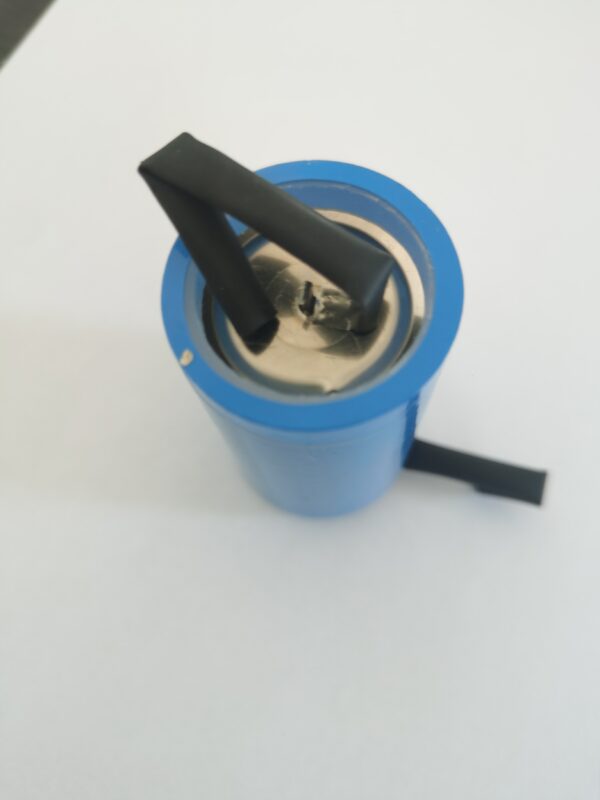
Li-SO₂ vs Li-SOCl₂ Battery: Emergency Power Comparison
In critical infrastructure and industrial applications where uninterrupted power is non-negotiable, selecting the right primary lithium battery chemistry can determine operational success or catastrophic failure. Among lithium metal primary batteries, Li-SO₂ (Lithium Sulfur Dioxide) and Li-SOCl₂ (Lithium Thionyl Chloride) represent two dominant technologies for emergency backup power systems. This technical comparison examines their core differences, performance characteristics, and regional compliance considerations for B2B decision-makers across North America, Europe, and Asia-Pacific markets.
Electrochemical Fundamentals and Technical Specifications
Understanding the electrochemical mechanisms is essential for proper battery selection. Li-SOCl₂ batteries operate through the reaction: 4Li + 2SOCl₂ → 4LiCl + S + SO₂, delivering a nominal voltage of 3.6V with exceptional energy density reaching 590 Wh/kg and 1100 Wh/L. These bobbin-type cells excel in low-drain, long-duration applications with self-discharge rates below 1% per year.
Li-SO₂ batteries, conversely, utilize sulfur dioxide as the cathode material with lithium anode, typically configured in battery packs for practical applications. They offer superior pulse current capability and maintain stable voltage output under higher discharge rates, making them suitable for emergency systems requiring immediate high-power delivery.
| Specification | Li-SOCl₂ | Li-SO₂ |
|---|---|---|
| Nominal Voltage | 3.6V | 3.0V |
| Energy Density | 590 Wh/kg | 280 Wh/kg |
| Operating Temperature | -55°C to +85°C | -40°C to +70°C |
| Self-Discharge Rate | <1%/year | 2-3%/year |
| Pulse Current | Limited | Excellent |
Temperature Adaptability and Environmental Compliance
For emergency power installations across diverse geographic regions, temperature performance directly impacts reliability. Li-SOCl₂ batteries demonstrate superior performance in extreme conditions, maintaining capacity retention above 95% at 25°C and operational functionality from -55°C to 150°C in specialized configurations. This makes them ideal for outdoor utility meters in Canada, Northern Europe, and desert installations in the Middle East.
However, voltage delay may occur after high-temperature storage followed by low-temperature discharge—a critical consideration for emergency systems in regions with significant seasonal variations. Li-SO₂ batteries offer more consistent voltage response across moderate temperature ranges but require additional thermal management in extreme environments.
From a regulatory compliance perspective, both chemistries must meet region-specific requirements:
- North America: UL 1642, UN 38.3 transportation standards
- European Union: CE marking, REACH compliance, battery directive 2006/66/EC
- Asia-Pacific: JIS C 8706 (Japan), GB 31241 (China)
Notably, Li-SOCl₂ batteries containing thionyl chloride may require dual-use export licenses in certain jurisdictions, affecting supply chain planning for multinational deployments.
Discharge Characteristics and Emergency Power Performance
Emergency backup systems demand predictable performance under various load profiles. Li-SOCl₂ batteries excel in low-current, long-duration applications such as smart metering, IoT sensors, and security systems where decades of standby power are required. Their flat discharge curve ensures consistent voltage throughout most of the battery life, with approximately 90% capacity available before voltage drop.
Li-SO₂ batteries provide superior high-rate discharge capability, making them preferable for emergency lighting, communication equipment, and aerospace applications requiring immediate power delivery. However, this comes at the cost of reduced overall energy density and shorter shelf life compared to Li-SOCl₂ alternatives.
For hybrid emergency systems, some manufacturers offer combined solutions leveraging Li-SOCl₂ for baseline power with supercapacitors or Li-SO₂ cells for pulse requirements—a configuration increasingly adopted in European utility infrastructure projects.
Safety Certification and Regional Market Considerations
B2B purchasers must verify comprehensive safety certifications aligned with their operational regions. Leading manufacturers provide batteries tested according to:
- IEC 60086-4 (Primary battery safety)
- ISO 9001:2015 (Quality management)
- SOC 2 Type 2 (Data security for smart battery systems)
Regional preferences vary significantly: North American utilities favor Li-SOCl₂ for metering applications due to established infrastructure, while European aerospace contractors often specify Li-SO₂ for mission-critical emergency systems. Asia-Pacific markets show growing demand for both chemistries with emphasis on local manufacturing compliance and reduced logistics costs.
CNS BATTERY: Your Global Primary Battery Partner
For organizations evaluating Li-SO₂ versus Li-SOCl₂ solutions for emergency power applications, CNS BATTERY delivers comprehensive primary battery portfolios engineered for global deployment. Our Li-SOCl₂ and Li-SO₂ product lines meet international certification requirements across North America, Europe, and Asia-Pacific regions, with localized support ensuring compliance with regional regulations and delivery expectations.
Explore our complete primary battery product range to find specifications matching your emergency power requirements. Our technical team provides application-specific guidance for optimal chemistry selection based on your operational environment, discharge profiles, and regulatory obligations.
Contact our international sales division at https://cnsbattery.com/primary-battery-contact-us/ for customized emergency power solutions with full documentation for regional compliance verification. Whether deploying smart metering infrastructure in Germany, aerospace systems in the United States, or industrial IoT networks across Southeast Asia, CNS BATTERY ensures reliable power delivery with certified quality and global support infrastructure.
Optimized for emergency power system specifications, primary lithium battery procurement, and industrial backup power solutions across USA, UK, Germany, France, Canada, Australia, Japan, and Singapore markets.
