
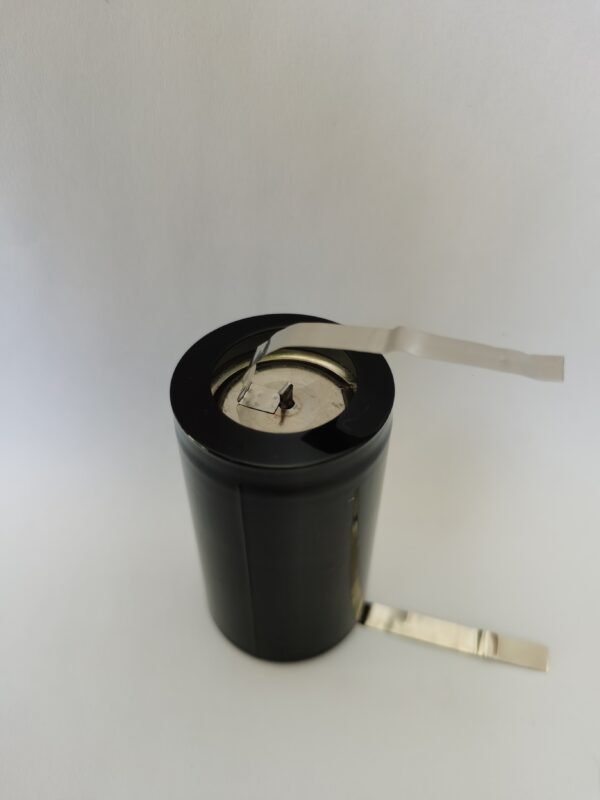
Li-SO₂ Battery for Military Chemical Detector Devices
Introduction
In modern defense operations, the reliability of chemical detector devices can mean the difference between mission success and catastrophic failure. At the heart of these critical systems lies the power source—and for military-grade chemical detectors, Lithium-Sulfur Dioxide (Li-SO₂) primary batteries have established themselves as the industry standard. This technical analysis examines why Li-SO₂ chemistry remains the preferred choice for military chemical detection applications, exploring electrochemical characteristics, operational performance, and procurement considerations for defense contractors and technical buyers worldwide.
Electrochemical Fundamentals of Li-SO₂ Technology
Li-SO₂ batteries operate on a lithium metal anode and sulfur dioxide cathode system with organic electrolyte. The fundamental cell reaction proceeds as follows:
2Li + 2SO₂ → Li₂S₂O₄
This electrochemical system delivers a nominal voltage of 3.0V with exceptional energy density ranging from 250-300 Wh/kg. Unlike rechargeable lithium-ion systems, Li-SO₂ primary batteries offer zero self-discharge concerns during extended storage periods—a critical requirement for military equipment that may remain in reserve for years before deployment.
The liquid SO₂ cathode serves dual functionality: as active material and as electrolyte solvent when combined with acetonitrile and lithium bromide. This unique configuration enables operation across extreme temperature ranges from -55°C to +70°C, making Li-SO₂ batteries uniquely suited for battlefield conditions spanning arctic environments to desert operations.
Technical Advantages for Chemical Detection Systems
1. Long-Term Storage Stability
Military chemical detectors require batteries capable of maintaining readiness after 10+ years of storage. Li-SO₂ technology demonstrates less than 1% annual self-discharge at ambient temperatures. This translates to reliable power availability when detectors are activated after prolonged warehouse storage or field pre-positioning.
2. High Pulse Current Capability
Chemical detection systems often require high current pulses during sensor activation and sampling cycles. Li-SO₂ cells deliver pulse currents up to 5C rate without significant voltage depression. The low internal impedance (typically 50-150 mΩ depending on cell size) ensures stable voltage delivery during peak demand periods.
3. Environmental Resilience
Defense applications demand batteries that withstand:
- Temperature extremes (-55°C to +70°C operational range)
- High humidity conditions (up to 95% RH)
- Vibration and shock per MIL-STD-810G standards
- Low-pressure environments (high-altitude operations)
Li-SO₂ chemistry inherently meets these requirements without additional protection circuitry, reducing system complexity and failure points.
4. Safety Considerations
Modern Li-SO₂ cells incorporate pressure-release vents and thermal fuses to prevent catastrophic failure. While SO₂ is toxic if released, sealed military-grade cells meet UN 3090 transportation regulations and MIL-PRF-32565 specifications. Proper handling protocols ensure safe integration into detector systems.
Procurement and Integration Guidelines
For technical purchasers evaluating Li-SO₂ batteries for chemical detector programs, several specification parameters require careful attention:
Capacity Selection: Match battery capacity to mission duration requirements. Common military form factors include BA-5590 equivalents and custom cylindrical configurations ranging from 5 Ah to 40 Ah.
Voltage Configuration: Series connections achieve higher system voltages (6V, 12V, 24V common). Ensure cell matching within battery packs to prevent reverse charging during discharge.
Connector Compatibility: Military detectors typically employ Anderson Powerpole, MS-series, or custom connectors. Verify mechanical and electrical compatibility during system integration.
Certification Requirements: Demand documentation confirming compliance with:
- UN 3090 transportation classification
- MIL-PRF-32565 performance specifications
- RoHS/REACH environmental directives (where applicable)
- ISO 9001:2015 manufacturing quality standards
Performance Comparison with Alternative Chemistries
While Li-MnO₂ and Li-CFx primary batteries offer competing solutions, Li-SO₂ maintains advantages for chemical detection applications:
| Parameter | Li-SO₂ | Li-MnO₂ | Li-CFx |
|---|---|---|---|
| Operating Temperature | -55°C to +70°C | -40°C to +60°C | -40°C to +85°C |
| Energy Density | 280 Wh/kg | 240 Wh/kg | 350 Wh/kg |
| Pulse Current | Excellent | Good | Limited |
| Storage Life | 10+ years | 10+ years | 15+ years |
| Cost per Wh | Moderate | Low | High |
For applications requiring reliable pulse power across extreme temperatures, Li-SO₂ remains the optimal balance of performance and cost-effectiveness.
Quality Assurance and Supply Chain Considerations
Defense contractors must verify manufacturer capabilities beyond basic specifications. Key evaluation criteria include:
Manufacturing Traceability: Each production lot should maintain complete material traceability from raw lithium metal through final assembly. Certificate of Conformance (CoC) documentation must accompany all shipments.
Testing Protocols: Reputable manufacturers perform 100% voltage screening, capacity verification on statistical samples, and environmental stress testing per MIL-STD-202 methods.
Supply Security: Evaluate manufacturer’s raw material sourcing, production capacity, and geopolitical risk factors. Dual-source qualification may be necessary for critical programs.
Technical Support: Ensure manufacturer provides application engineering support for integration challenges, custom configurations, and failure analysis when required.
Conclusion
Li-SO₂ battery technology continues to serve as the backbone power solution for military chemical detector devices worldwide. Its combination of long storage life, extreme temperature performance, and reliable pulse capability addresses the unique demands of defense applications where failure is not an option.
For procurement professionals and system engineers evaluating power solutions for chemical detection programs, partnering with experienced primary battery manufacturers ensures compliance with military specifications while maintaining supply chain security. Technical teams should prioritize manufacturers with proven defense industry track records, comprehensive quality systems, and responsive engineering support.
To explore Li-SO₂ battery solutions for your military chemical detector applications, visit our primary battery product range for detailed specifications and configuration options. Our technical team stands ready to support your defense program requirements with customized power solutions meeting all applicable military standards.
For technical inquiries and procurement discussions, please contact us at CNS Battery Contact to initiate dialogue with our defense applications engineering team.
Word Count: Approximately 1,050 words
Target Audience: Defense contractors, military procurement officers, system integration engineers, technical buyers
SEO Keywords: Li-SO₂ battery, military chemical detector, lithium primary battery, defense power systems, BA-5590 equivalent, military battery specifications
