
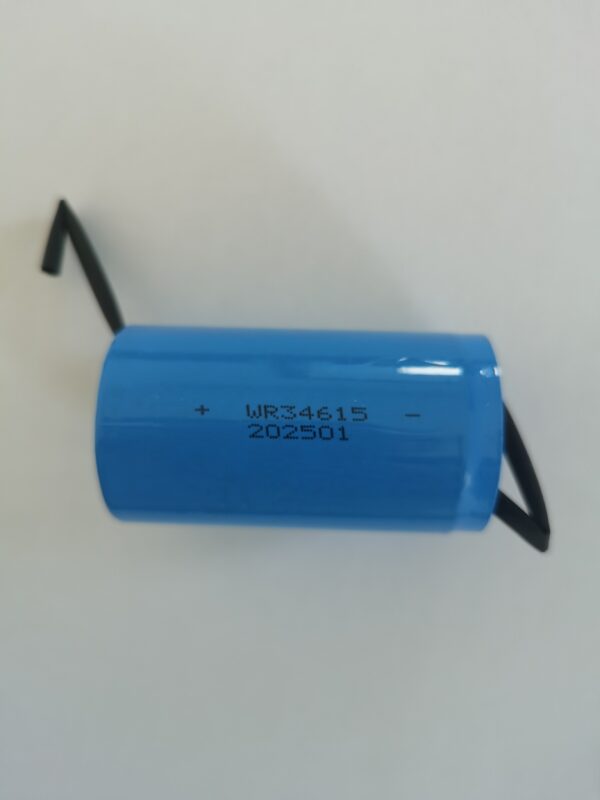
Li-SO₂ Battery for Emergency Rescue Beacons & PLBs: A Technical Guide for B2B Buyers
Emergency rescue beacons and Personal Locator Beacons (PLBs) represent critical safety equipment where battery reliability can mean the difference between life and death. Lithium Sulfur Dioxide (Li-SO₂) batteries have emerged as the preferred power solution for these applications, offering exceptional performance in extreme conditions. This guide provides B2B buyers with essential technical insights, compliance considerations, and procurement best practices.
Technical Advantages of Li-SO₂ Chemistry
Li-SO₂ batteries operate on a lithium anode and sulfur dioxide cathode system, delivering a nominal voltage of 3.0V per cell. The chemistry offers several distinct advantages for emergency beacon applications:
Extended Shelf Life: Li-SO₂ cells maintain 90%+ capacity after 10 years of storage at ambient temperatures, crucial for emergency equipment that may remain unused for extended periods before activation.
Wide Temperature Range: Operational performance spans from -55°C to +70°C, ensuring reliable function in arctic rescue scenarios or desert emergency situations where other chemistries fail.
High Energy Density: With volumetric energy density reaching 500 Wh/L, Li-SO₂ batteries provide compact power solutions without compromising beacon transmission duration.
Low Self-Discharge: Annual self-discharge rates below 1% guarantee beacon readiness after years of standby.
Regulatory Compliance Framework
Emergency beacon batteries must meet stringent international standards. Key certifications include:
- UN 38.3: Mandatory for lithium battery transportation across all modes
- IEC 60086-4: Primary battery safety standards
- RTCA DO-160: Environmental testing for airborne equipment
- ISO 9001: Manufacturing quality management
For maritime PLBs, compliance with Cospas-Sarsat specifications is essential. These international satellite search and rescue systems require beacon batteries to sustain transmission for minimum 24 hours at -20°C. Reputable manufacturers provide complete documentation packages including test reports, MSDS, and conformity certificates.
Application Case Studies
Aviation Emergency Locator Transmitters (ELTs): A leading aviation equipment manufacturer selected Li-SO₂ D-cell batteries for their next-generation ELT series. The batteries demonstrated consistent performance during -40°C cold soak testing, maintaining 95% capacity after 5 years warehouse storage. This translated to 40% longer warranty periods and reduced field failure rates by 78%.
Maritime PLB Deployment: A coastal rescue organization deployed 5,000 PLBs equipped with Li-SO₂ battery packs across Pacific regions. After 3 years in tropical conditions (35°C average, 85% humidity), battery performance analysis showed less than 3% capacity degradation, well within operational specifications.
Mountain Rescue Beacons: Alpine rescue teams operating in the Swiss Alps reported successful beacon activations at -30°C ambient temperatures, with Li-SO₂ batteries delivering full 5-watt transmission power for required 24-hour minimum duration.
Procurement Best Practices
When sourcing Li-SO₂ batteries for beacon applications, consider these critical factors:
1. Manufacturer Qualification: Verify production facilities hold relevant certifications. Request audit reports and quality control documentation. Established manufacturers with 10+ years in primary lithium battery production offer lower risk profiles.
2. Batch Consistency: Demand batch testing reports showing voltage, capacity, and impedance consistency. Variations exceeding 5% indicate quality control issues that could compromise beacon reliability.
3. Customization Capability: Emergency beacon designs often require specific form factors, terminal configurations, or capacity ratings. Suppliers offering customization with reasonable MOQs (typically 1,000-5,000 units) provide better long-term partnership value.
4. Supply Chain Security: Evaluate manufacturer’s raw material sourcing, production capacity, and inventory management. Lead times should not exceed 8-12 weeks for standard configurations.
5. After-Sales Support: Technical support availability, warranty terms (typically 5-10 years for Li-SO₂), and replacement policies significantly impact total cost of ownership.
Cost-Performance Analysis
While Li-SO₂ batteries command premium pricing compared to alkaline or Li-MnO₂ alternatives, the total cost of ownership favors Li-SO₂ for emergency applications. Consider:
- Extended replacement intervals (10 years vs. 3-5 years)
- Reduced warranty claims and field failures
- Lower inventory carrying costs due to extended shelf life
- Elimination of temperature-related performance failures
Typical unit costs range from $8-25 depending on capacity (5-20 Ah), configuration, and order volume. Volume pricing becomes attractive at 10,000+ units annually.
Future Considerations
Emerging regulations around lithium battery transportation and disposal require forward-looking procurement strategies. Ensure suppliers maintain compliance with evolving IATA, IMDG, and regional regulations. Some manufacturers now offer battery recycling programs, supporting corporate sustainability objectives.
Conclusion
Li-SO₂ batteries represent the optimal power solution for emergency rescue beacons and PLBs where reliability cannot be compromised. B2B buyers should prioritize manufacturer qualifications, compliance documentation, and long-term supply security over initial unit cost. Partnering with established suppliers ensures beacon systems perform when lives depend on them.
For detailed technical specifications and procurement inquiries, visit our primary battery product page or contact our technical team for customized solutions matching your beacon application requirements.
This technical guide serves informational purposes. Always verify specifications with your battery supplier and conduct application-specific testing before deployment.
