
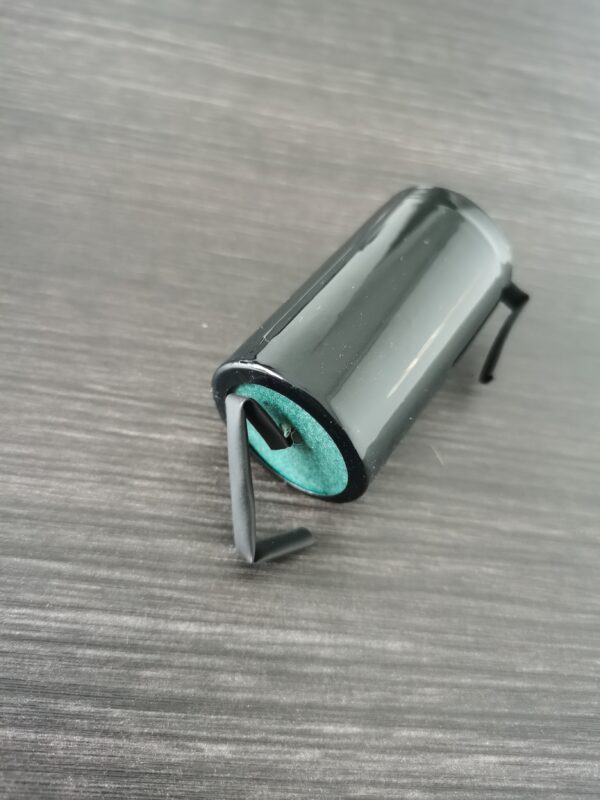
Li-SO₂ Battery for Earthquake Emergency Response Power Systems
Introduction
When seismic disasters strike, reliable power becomes the lifeline for emergency communication, medical equipment, and rescue operations. Among primary battery technologies, Lithium-Sulfur Dioxide (Li-SO₂) batteries have emerged as a critical power solution for earthquake emergency response systems. This article examines the technical advantages, operational characteristics, and deployment considerations of Li-SO₂ batteries in disaster relief applications.
Technical Fundamentals of Li-SO₂ Battery Chemistry
Li-SO₂ batteries operate on a lithium metal anode coupled with sulfur dioxide cathode chemistry. The overall cell reaction follows: 2Li + 2SO₂ → Li₂S₂O₄. The electrolyte system consists of lithium bromide (LiBr) dissolved in organic solvents—typically propylene carbonate and acetonitrile—enabling efficient Li⁺ ion mobility.
This chemistry delivers a nominal voltage of 3.0V per cell with exceptional energy density reaching up to 590 Wh/kg. Unlike rechargeable lithium-ion systems, Li-SO₂ batteries are primary (non-rechargeable) cells designed for long-term storage and immediate deployment when needed.
Critical Advantages for Emergency Response Applications
1. Extended Shelf Life and Storage Stability
Li-SO₂ batteries maintain 10+ years of shelf life with minimal self-discharge rates (typically less than 1% per year at ambient temperature). This characteristic is essential for emergency stockpiles that may remain unused for extended periods before earthquake events occur. Emergency management agencies can pre-position these batteries in disaster-prone regions without frequent replacement cycles.
2. Superior Low-Temperature Performance
Earthquake rescue operations often occur in challenging environmental conditions. Li-SO₂ batteries demonstrate reliable operation across -55°C to +70°C temperature ranges, significantly outperforming conventional battery chemistries in cold weather scenarios. This ensures emergency communication devices, GPS trackers, and medical equipment remain functional during winter disasters or high-altitude rescue missions.
3. High Pulse Power Capability
Emergency equipment frequently requires high current pulses for radio transmission, satellite communication, or sensor activation. Li-SO₂ cells deliver high discharge rates and pulse currents without significant voltage depression. This makes them ideal for emergency beacons, two-way radios, and telemetry systems that demand intermittent high-power bursts.
4. Operational Reliability in Harsh Conditions
The sealed construction of Li-SO₂ batteries provides excellent resistance to humidity, vibration, and mechanical shock—common conditions during and after seismic events. This robustness ensures power availability when infrastructure damage limits access to replacement batteries or charging facilities.
Integration Considerations for Emergency Power Systems
System Design Parameters
When integrating Li-SO₂ batteries into emergency response power systems, engineers must consider:
- Voltage Configuration: Multiple cells can be configured in series or parallel to meet specific voltage and capacity requirements
- Load Profile Matching: Understanding the duty cycle of emergency equipment ensures optimal battery sizing
- Safety Venting: Proper enclosure design must accommodate potential pressure relief during extreme conditions
Regulatory Compliance and Safety
Li-SO₂ batteries fall under specific transportation and storage regulations due to lithium metal content. Emergency management organizations must comply with UN 3090 shipping classifications and implement appropriate storage protocols. For detailed product specifications and compliance documentation, visit https://cnsbattery.com/primary-battery/.
Cost-Benefit Analysis for Emergency Stockpiles
While Li-SO₂ batteries carry higher unit costs compared to alkaline alternatives, the total cost of ownership proves favorable when factoring in:
- Reduced replacement frequency
- Lower maintenance requirements
- Enhanced reliability during critical operations
- Extended operational temperature ranges eliminating need for climate-controlled storage
Deployment Best Practices for Seismic Emergency Response
Emergency response coordinators should implement the following protocols:
- Regular Inventory Rotation: Despite long shelf life, implement FIFO (First-In-First-Out) inventory management
- Pre-Disaster Testing: Conduct periodic voltage checks on stored batteries to verify readiness
- Redundant Power Architecture: Deploy Li-SO₂ batteries as backup to primary power sources in critical equipment
- Training Programs: Ensure response personnel understand battery handling, installation, and safety procedures
Future Developments and Industry Trends
The emergency power sector continues evolving with enhanced battery management systems and hybrid power architectures. Li-SO₂ technology remains relevant for applications requiring long-term storage with immediate availability. Ongoing research focuses on improved safety features, enhanced energy density, and environmentally responsible manufacturing processes.
Conclusion
Li-SO₂ batteries represent a proven, reliable power solution for earthquake emergency response systems. Their combination of extended shelf life, wide temperature operation, and high pulse capability makes them indispensable for mission-critical applications where failure is not an option. Emergency management agencies and technical procurement teams should evaluate Li-SO₂ technology when designing resilient power systems for disaster preparedness.
For technical consultations and customized emergency power solutions, contact our engineering team at https://cnsbattery.com/primary-battery-contact-us/.
This technical analysis provides general guidance for emergency power system design. Specific applications require detailed engineering assessment and compliance verification with local regulations.
