
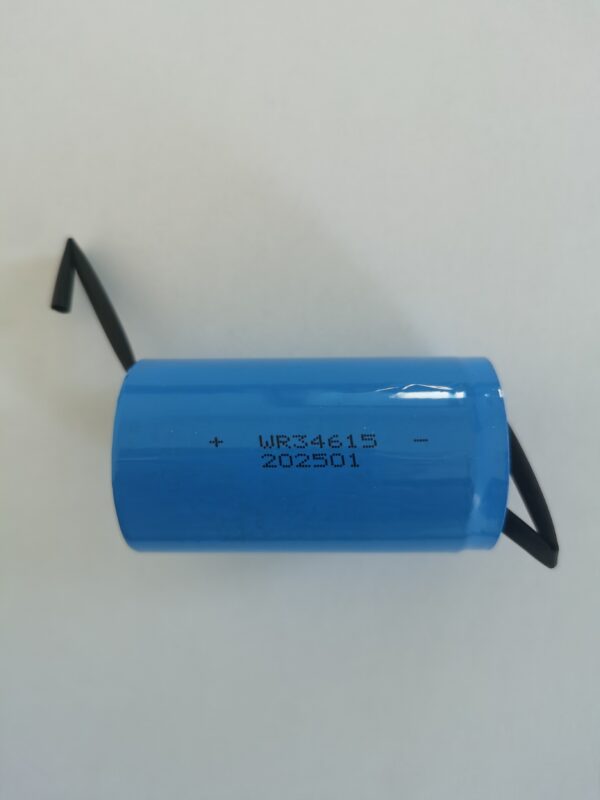
Li-S Battery Total Cost of Ownership for Aerospace Research
Introduction
The aerospace industry stands at a critical juncture where energy storage technology directly impacts mission success, operational efficiency, and long-term sustainability. Lithium-sulfur (Li-S) batteries have emerged as a transformative solution, offering theoretical energy densities exceeding 2600 Wh/kg—significantly higher than conventional lithium-ion systems. For aerospace research institutions and engineering teams evaluating next-generation power systems, understanding the Total Cost of Ownership (TCO) becomes paramount in making informed procurement decisions. This analysis examines the comprehensive cost structure of Li-S battery deployment in aerospace applications, balancing initial investment against lifecycle value.
Understanding TCO Framework for Aerospace Battery Systems
Total Cost of Ownership extends far beyond initial purchase price. For aerospace research applications, TCO encompasses acquisition costs, integration expenses, maintenance requirements, replacement cycles, and end-of-life disposal considerations. The unique operational demands of aerospace environments—including extreme temperature variations, vibration exposure, and extended mission durations—significantly influence these cost components.
Primary Cost Components:
- Initial Acquisition Cost: Li-S batteries currently command premium pricing due to specialized manufacturing processes and limited production scale. However, sulfur’s abundance and low raw material costs provide substantial long-term price reduction potential compared to cobalt-dependent lithium-ion alternatives.
- Integration and Certification Expenses: Aerospace applications require rigorous safety certification and custom integration engineering. Li-S technology’s distinct chemical characteristics necessitate specialized battery management systems (BMS) and thermal management solutions, adding to upfront investment.
- Operational Maintenance: The reduced degradation rates of advanced Li-S chemistries translate to lower maintenance frequency. For research missions spanning multiple years, this represents significant cost savings in labor, downtime, and replacement logistics.
- Lifecycle Replacement Costs: With proper management, Li-S batteries demonstrate extended cycle life in low-discharge-rate aerospace applications. This reduces the frequency of complete system replacements over mission lifetimes.
Technical Advantages Driving TCO Value
The fundamental electrochemical advantages of lithium-sulfur technology create measurable TCO benefits for aerospace research:
Energy Density Superiority: Li-S batteries deliver 2-3 times the gravimetric energy density of conventional lithium-ion systems. For satellite platforms, high-altitude pseudo-satellites (HAPS), and deep-space probes, this translates directly to reduced launch mass, lower propulsion requirements, and extended operational range—all contributing to substantial mission cost reductions.
Temperature Performance: Advanced Li-S formulations maintain stable performance across wider temperature ranges compared to standard lithium-ion chemistries. This reduces thermal management system complexity and associated power consumption, particularly valuable for spacecraft operating in extreme orbital environments.
Safety Profile: The absence of thermal runaway risks inherent in some lithium-ion configurations reduces safety system requirements and insurance costs. For research institutions managing multiple concurrent projects, this risk mitigation carries significant financial value.
Procurement Considerations for Research Institutions
Technical procurement teams evaluating Li-S battery solutions should prioritize suppliers offering comprehensive lifecycle support. Established primary battery manufacturers provide critical advantages including:
- Technical Documentation: Complete specification sheets, safety data, and integration guidelines reduce engineering overhead
- Quality Assurance: Aerospace-grade manufacturing standards ensure consistent performance across battery batches
- Long-term Availability: Commitment to product line continuity protects research investments spanning multiple years
For detailed product specifications and technical consultation, research institutions can explore comprehensive primary battery solutions at https://cnsbattery.com/primary-battery/. Direct engagement with manufacturer technical teams ensures proper battery selection aligned with specific mission requirements.
TCO Optimization Strategies
Maximizing Li-S battery value requires strategic approaches throughout the procurement and deployment lifecycle:
Mission-Specific Sizing: Right-sizing battery capacity to actual mission requirements prevents over-investment in unused energy storage while maintaining adequate margins for contingencies.
Thermal Management Integration: Proactive thermal design during system integration extends battery life and maintains optimal performance, reducing premature replacement costs.
Monitoring Systems: Implementing comprehensive battery health monitoring enables predictive maintenance, preventing unexpected failures that could compromise research missions and incur emergency replacement expenses.
Supplier Partnership: Establishing long-term relationships with qualified battery manufacturers secures favorable pricing, priority support, and early access to technology improvements.
Research teams seeking personalized technical consultation and procurement support should contact qualified suppliers directly through https://cnsbattery.com/primary-battery-contact-us/ to discuss specific application requirements and TCO optimization opportunities.
Future Outlook and Investment Recommendation
The Li-S battery market continues maturing rapidly, with production scale improvements driving cost reductions projected at 15-20% annually through 2030. For aerospace research institutions making multi-year investment decisions, current Li-S technology already delivers favorable TCO in high-value applications where energy density and reliability outweigh initial cost premiums.
Early adoption positions research organizations to capture competitive advantages in mission capability while establishing operational expertise with next-generation energy storage technology. As manufacturing scales and supply chains mature, first movers will benefit from accumulated knowledge and optimized integration processes.
Conclusion
Lithium-sulfur battery technology represents a strategic investment for aerospace research applications where energy density, reliability, and lifecycle value drive mission success. While initial acquisition costs exceed conventional alternatives, comprehensive TCO analysis reveals compelling value propositions through reduced mass penalties, extended operational life, and lower maintenance requirements. Technical procurement teams should evaluate Li-S solutions through holistic lifecycle costing frameworks, prioritizing suppliers offering aerospace-grade quality, comprehensive technical support, and long-term product availability. The transition to Li-S technology positions research institutions at the forefront of aerospace energy innovation while delivering measurable returns on investment across extended mission lifecycles.
