
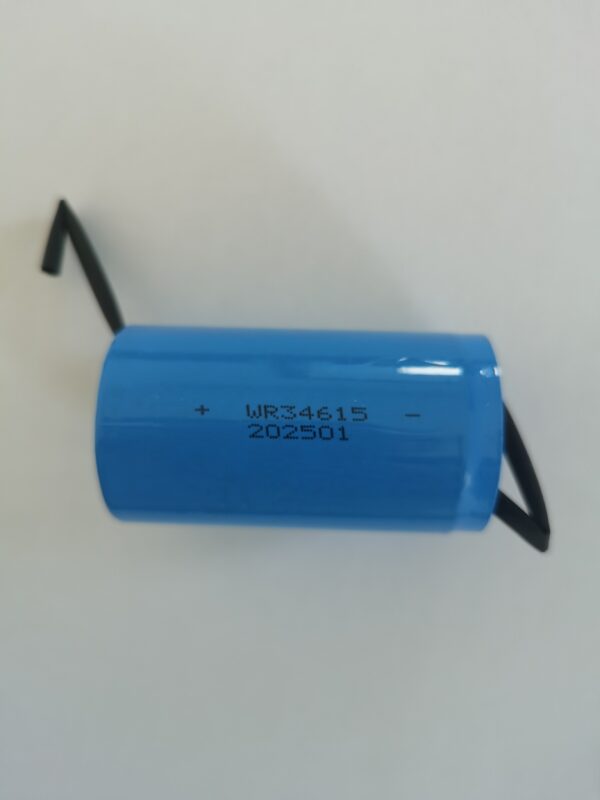
Li-S Battery Research Samples | China Manufacturer: Technical Insights for Engineering Teams
The global demand for advanced energy storage solutions has positioned lithium-sulfur (Li-S) battery technology at the forefront of next-generation power systems. For engineering teams and technical procurement specialists seeking reliable research samples from Chinese manufacturers, understanding the technical landscape, supply chain capabilities, and quality assurance protocols is essential for successful project deployment.
Understanding Li-S Battery Technology Fundamentals
Lithium-sulfur batteries represent a significant evolution beyond conventional lithium metal primary battery systems. While traditional lithium primary batteries utilize lithium metal as the anode with various cathode materials (such as MnO₂, FeS₂, or SOCl₂), Li-S batteries employ elemental sulfur as the cathode active material. This fundamental difference enables theoretical specific energy densities reaching 2,500 Wh/kg—approximately five times that of conventional lithium-ion systems.
The electrochemical reaction in Li-S batteries follows the conversion mechanism where lithium ions react with sulfur to form lithium polysulfides during discharge, ultimately producing Li₂S. This multi-electron transfer process (involving up to 16 electrons per S₈ molecule) provides exceptional capacity potential. However, the polysulfide shuttle effect remains a critical technical challenge that manufacturers must address through advanced cathode architecture and electrolyte engineering.
Key Considerations for Research Sample Procurement
1. Technical Specification Verification
When sourcing Li-S battery research samples from Chinese manufacturers, engineering teams should prioritize comprehensive specification documentation. Critical parameters include:
- Energy Density: Verify both gravimetric (Wh/kg) and volumetric (Wh/L) specifications under standardized test conditions
- Cycle Life Expectations: Understand the difference between research-grade samples and production-ready cells
- Operating Temperature Range: Confirm performance characteristics across intended application environments
- Safety Certifications: Request UN 38.3, IEC 62133, and relevant transportation compliance documentation
2. Manufacturing Capability Assessment
China’s battery manufacturing ecosystem has matured significantly, with numerous facilities equipped for advanced chemistry development. Leading manufacturers maintain dedicated R&D laboratories capable of producing custom research samples with controlled variables for academic and industrial research purposes. Evaluate potential partners based on their:
- Clean room classification and contamination control protocols
- Quality management systems (ISO 9001, IATF 16949)
- Analytical testing equipment availability (SEM, XRD, electrochemical workstations)
- Sample turnaround time and iteration flexibility
3. Supply Chain Transparency
For technical procurement professionals, supply chain visibility extends beyond final product delivery. Reputable Chinese manufacturers should provide documentation covering:
- Raw material sourcing (sulfur purity, carbon host materials, electrolyte composition)
- Production batch traceability
- Environmental compliance (RoHS, REACH)
- Intellectual property protection agreements
Technical Comparison: Li-S vs. Traditional Lithium Primary Batteries
Understanding the distinction between Li-S rechargeable systems and lithium metal primary batteries informs appropriate application selection. Lithium primary batteries, characterized by their non-rechargeable design, excel in applications requiring long shelf life (10+ years), wide temperature tolerance (-40°C to +85°C), and reliable single-use energy delivery. These systems dominate sectors including medical devices, IoT sensors, and military equipment where maintenance-free operation is paramount.
In contrast, Li-S batteries target applications demanding high energy density with rechargeability, such as electric aviation, portable electronics, and grid storage. The choice between technologies depends on specific project requirements rather than universal superiority.
Quality Assurance Protocols for Research Samples
Professional manufacturers implement rigorous quality control measures throughout the sample production process:
Pre-Production Validation: Material characterization, electrode coating uniformity verification, and electrolyte purity testing establish baseline quality parameters before cell assembly.
In-Process Monitoring: Real-time monitoring of coating thickness, drying conditions, and assembly environment ensures consistency across sample batches. Statistical process control (SPC) methodologies track critical quality attributes.
Post-Production Testing: Comprehensive electrochemical testing includes capacity verification, impedance spectroscopy, rate capability assessment, and safety evaluation under abnormal conditions.
Partner Selection Framework
Engineering teams evaluating Chinese Li-S battery manufacturers should establish a structured assessment framework:
- Technical Competency: Review published research, patent portfolios, and collaboration history with academic institutions
- Communication Infrastructure: Ensure English-language technical support availability and responsive communication channels
- Sample Customization: Confirm ability to modify cell format, capacity, and performance characteristics for specific research objectives
- Logistics Capability: Verify international shipping experience, packaging standards, and customs documentation support
Moving Forward with Confidence
The landscape for Li-S battery research sample procurement from Chinese manufacturers continues to evolve, offering unprecedented access to advanced energy storage technologies. By applying rigorous technical evaluation criteria and establishing clear communication protocols, engineering teams can successfully navigate supplier selection and accelerate their research timelines.
For technical teams seeking detailed product specifications and direct manufacturer engagement, comprehensive resources are available through established industry channels. Professional consultation ensures alignment between research objectives and supplier capabilities, minimizing project risks while maximizing technology transfer efficiency.
Connect with verified manufacturers: Contact Us
Explore primary battery solutions: Product Portfolio
This technical overview serves engineering and procurement professionals evaluating Li-S battery research sample suppliers. Specifications and capabilities vary by manufacturer; always request current documentation before project commitment.
