
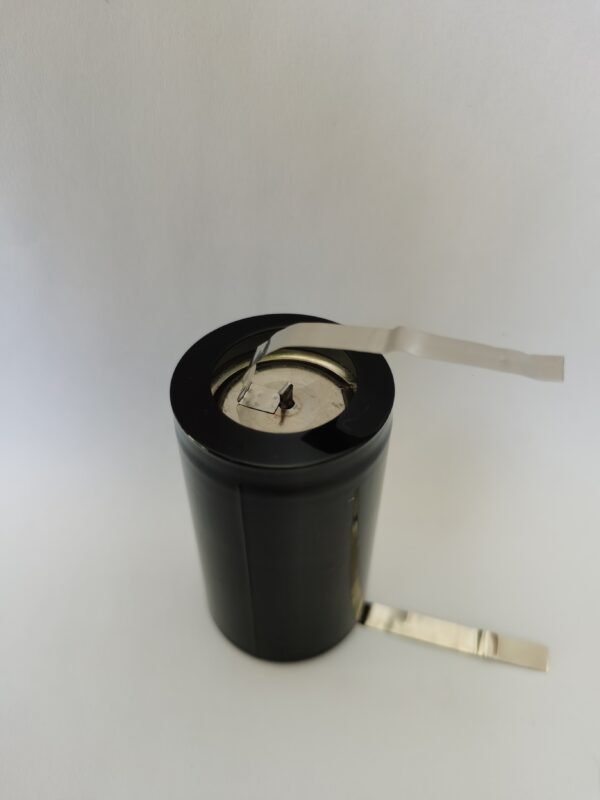
Li-S Battery for LEO Satellite Constellation Backup Power
The rapid expansion of Low Earth Orbit (LEO) satellite constellations has created unprecedented demand for reliable, high-performance power systems. As satellite operators deploy thousands of units for global communications, Earth observation, and navigation services, backup power reliability becomes a critical mission parameter. Lithium-sulfur (Li-S) battery technology emerges as a transformative solution for LEO satellite constellation backup power applications, offering significant advantages over traditional lithium-ion systems.
Why Li-S Battery Technology Matters for Space Applications
Li-S batteries represent the next generation of electrochemical energy storage, delivering theoretical specific energy densities exceeding 2,500 Wh/kg—approximately five times that of conventional lithium-ion batteries. For LEO satellite constellations operating at altitudes between 500-2,000 kilometers, every gram of payload mass directly impacts launch costs and orbital maneuvering capabilities. The weight-to-performance ratio makes Li-S technology particularly compelling for aerospace backup power systems.
Key technical advantages include:
- Superior Energy Density: Li-S cells provide 400-600 Wh/kg in practical configurations, enabling extended backup duration without increasing mass budgets
- Wide Temperature Operation: Advanced electrolyte formulations maintain performance across the extreme thermal cycles experienced in LEO environments (-40°C to +85°C)
- Low Self-Discharge Rates: Critical for satellites experiencing extended eclipse periods or standby modes
- Radiation Tolerance: Solid-state and quasi-solid-state electrolyte variants demonstrate enhanced resilience against cosmic radiation
LEO Satellite Constellation Power System Requirements
LEO satellite constellations face unique power management challenges that demand specialized backup solutions. Each satellite completes an orbit approximately every 90-120 minutes, experiencing regular eclipse periods where solar arrays cannot generate power. During these intervals, backup batteries must maintain critical subsystems including attitude control, communications payloads, and onboard computers.
Primary power system specifications for LEO applications typically require:
- Operational Lifetime: 5-7 years minimum in orbit without maintenance
- Cycle Stability: 10,000+ charge-discharge cycles with minimal capacity degradation
- Instant Power Delivery: High C-rate capability for emergency maneuvers and contingency operations
- Fail-Safe Architecture: Redundant cell configurations preventing single-point failures
Li-S battery systems address these requirements through innovative cell chemistry and advanced battery management systems (BMS) specifically engineered for space environments.
Technical Implementation Considerations
Successful deployment of Li-S batteries in LEO satellite constellations requires careful attention to several engineering factors. The lithium metal anode, while providing exceptional energy density, demands sophisticated protection mechanisms against dendrite formation and thermal runaway.
Electrolyte Selection: Quasi-solid-state and polymer electrolytes offer improved safety profiles compared to liquid electrolytes, reducing leakage risks during launch vibrations and orbital operations. These formulations also demonstrate better compatibility with lithium metal anodes over extended mission durations.
Thermal Management: LEO satellites experience dramatic temperature swings between sunlit and eclipse phases. Integrated thermal control systems must maintain cell temperatures within optimal operating ranges while minimizing parasitic power consumption from heaters or cooling systems.
Cell Balancing: Multi-cell configurations require active balancing circuits to ensure uniform state-of-charge across all cells, preventing premature capacity loss and maintaining system reliability throughout the mission lifetime.
Industry Adoption and Future Outlook
Major satellite constellation operators including SpaceX Starlink, Amazon Kuiper, and OneWeb are actively evaluating next-generation battery technologies for future deployment cycles. The commercial space sector’s shift toward standardized satellite buses creates opportunities for Li-S battery integration across multiple platforms.
Market analysis indicates that LEO constellation deployments will exceed 50,000 satellites by 2030, driving substantial demand for advanced backup power solutions. Li-S technology’s cost advantages—sulfur cathode materials are significantly less expensive than cobalt-based alternatives—position it favorably for large-scale constellation economics.
For satellite manufacturers and system integrators seeking qualified primary battery suppliers, comprehensive product portfolios and technical support are essential. Professional battery manufacturers offer customized solutions meeting aerospace quality standards including AS9100 certification and space-grade component qualification.
Explore our complete range of primary battery solutions designed for demanding aerospace applications. Our engineering team provides consultation on battery selection, integration support, and mission-specific customization to ensure optimal power system performance.
Conclusion
Li-S battery technology represents a strategic advancement for LEO satellite constellation backup power systems. The combination of exceptional energy density, improving cycle life, and favorable economics makes it an increasingly attractive option for next-generation space missions. As the technology matures through continued research and orbital validation, Li-S batteries will play an integral role in enabling the massive satellite constellations that will define global connectivity infrastructure for decades to come.
For technical inquiries and partnership opportunities regarding aerospace battery solutions, please contact our specialist team to discuss your specific mission requirements and implementation timelines.
