
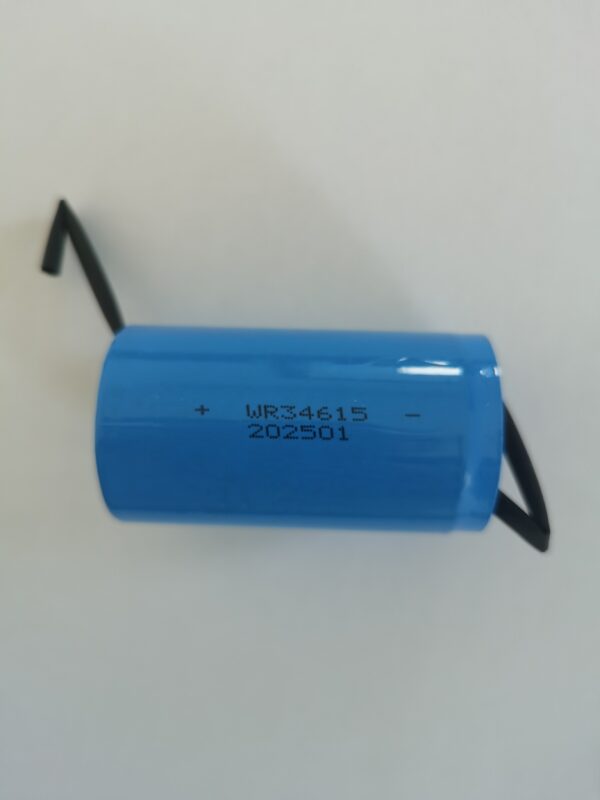
Li-S Battery for High-Altitude Drone Atmospheric Research: Powering the Future of Stratospheric Exploration
The rapid advancement of unmanned aerial vehicle (UAV) technology has opened unprecedented opportunities for atmospheric research at extreme altitudes. Among the critical components enabling these missions, lithium-sulfur (Li-S) battery technology and lithium primary battery systems stand out as game-changers for high-altitude drone applications. This article explores how cutting-edge battery solutions are transforming stratospheric research capabilities while addressing the unique power demands of extreme environment operations.
Understanding Li-S Battery Technology for Extreme Altitude Applications
Lithium-sulfur batteries represent a significant evolution in energy storage technology, offering theoretical specific energy densities reaching 1675mAh/g for sulfur cathodes paired with metallic lithium anodes. This chemistry provides substantial advantages over conventional lithium-ion systems, particularly for high-altitude atmospheric research drones where weight reduction directly translates to extended flight duration and increased payload capacity.
The fundamental electrochemical reaction in Li-S batteries involves the conversion between sulfur and lithium sulfide during discharge cycles. This mechanism delivers 2-3 times higher energy density compared to traditional lithium-ion batteries, making it particularly suitable for long-duration stratospheric missions where battery replacement is impossible and every gram matters.
Critical Performance Requirements for High-Altitude Drone Operations
High-altitude atmospheric research drones operate in exceptionally challenging environments that demand specialized battery performance characteristics:
1. Extreme Temperature Resilience
Stratospheric operations expose batteries to temperatures ranging from -60°C to -80°C at altitudes exceeding 20 kilometers. Lithium primary battery systems, particularly lithium metal configurations, demonstrate superior low-temperature performance compared to rechargeable alternatives. The electrochemical stability of lithium metal anodes ensures reliable power delivery even under severe thermal stress conditions.
2. Low-Pressure Environment Compatibility
At high altitudes, atmospheric pressure drops significantly, creating potential challenges for battery sealing and internal pressure management. Advanced lithium primary batteries incorporate specialized sealing technologies and pressure-equalization mechanisms to maintain structural integrity and prevent electrolyte leakage during extended high-altitude operations.
3. Extended Shelf Life and Reliability
Atmospheric research missions often require batteries to maintain readiness for months or years before deployment. Lithium primary batteries excel in this regard, offering self-discharge rates below 1% per year and operational lifespans exceeding 10 years under proper storage conditions. This characteristic proves essential for research institutions maintaining fleets of atmospheric monitoring drones across multiple global locations.
Technical Advantages of Lithium Primary Battery Systems
For B2B customers engaged in atmospheric research and high-altitude drone operations, understanding the technical distinctions between battery chemistries is crucial for mission success:
Energy Density Optimization: Lithium primary batteries deliver volumetric energy densities exceeding 500 Wh/L, enabling compact power systems that minimize drone weight while maximizing flight time. This advantage proves particularly valuable for scientific payload integration where every cubic centimeter counts.
Safety and Stability: Unlike rechargeable lithium-ion systems, lithium primary batteries eliminate risks associated with overcharging, thermal runaway, and cycle-induced degradation. This inherent safety profile reduces operational risks during expensive atmospheric research missions.
Regulatory Compliance: International aviation authorities increasingly recognize lithium primary battery systems for specialized UAV applications. Compliance with UN 38.3 transportation standards and ICAO dangerous goods regulations ensures seamless global deployment for research institutions operating across multiple jurisdictions.
Geographic Considerations for Global Deployment
Atmospheric research organizations operate across diverse geographic regions, from Arctic monitoring stations to tropical research facilities. Battery selection must account for regional regulatory requirements, climate variations, and logistical considerations:
- North American Operations: Compliance with FAA Part 107 regulations and DOT hazardous materials transportation requirements
- European Deployments: EASA certification standards and REACH chemical regulation adherence
- Asia-Pacific Missions: Local aviation authority approvals and customs documentation for battery imports
- Polar Research: Enhanced cold-temperature performance validation for extreme latitude operations
CNS BATTERY: Your Trusted Partner for High-Altitude Power Solutions
For organizations seeking reliable lithium primary battery solutions for high-altitude drone atmospheric research, CNS BATTERY offers comprehensive product portfolios engineered for extreme environment performance. Our lithium primary battery systems undergo rigorous validation testing to ensure optimal performance under stratospheric conditions.
Our product line features:
- Customized voltage and capacity configurations for specific drone platforms
- Enhanced low-temperature discharge capabilities down to -60°C
- Military-grade sealing for pressure and humidity resistance
- Full regulatory documentation for international transportation and deployment
To explore our complete range of lithium primary battery solutions tailored for atmospheric research applications, visit our product catalog for detailed specifications and technical documentation.
Our engineering team specializes in consulting with B2B clients to develop customized power solutions matching specific mission requirements. Whether you operate single research drones or manage extensive UAV fleets across multiple research stations, our team provides technical support from initial specification through deployment and beyond.
For personalized consultations regarding your high-altitude drone power requirements, contact our technical team to discuss how CNS BATTERY can support your atmospheric research objectives with reliable, certified lithium primary battery solutions.
As lithium-sulfur and lithium primary battery technologies continue evolving, high-altitude atmospheric research capabilities will expand accordingly. Partnering with experienced battery manufacturers ensures your drone operations maintain optimal performance while meeting all safety and regulatory requirements for global scientific missions.
