
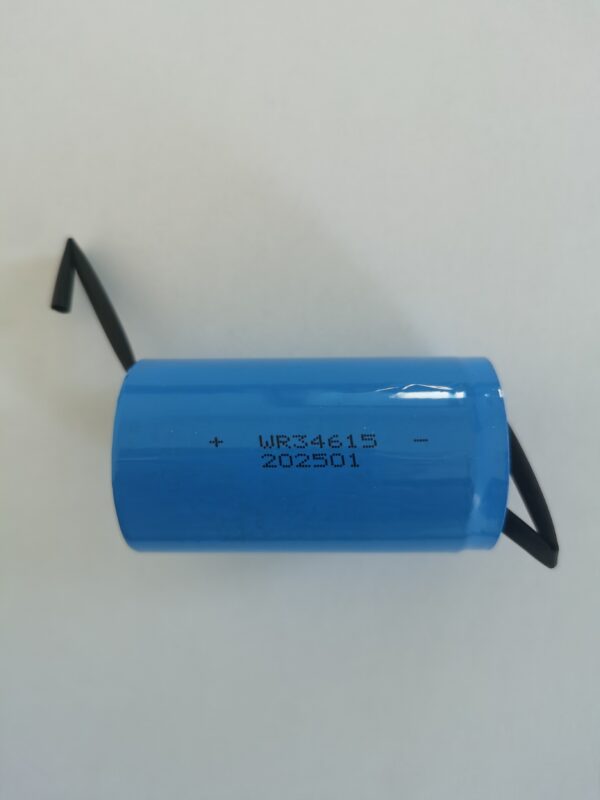
Li-S Battery for Glacier Movement Monitoring Sensors: Powering Polar Research
Glaciers are the silent sentinels of climate change. To decode their secrets, scientists rely on rugged, autonomous sensors deployed in some of the harshest environments on Earth. The Achilles’ heel of these deployments is often not the sensor technology itself, but the power source. Standard lithium-ion batteries frequently fail in sub-zero temperatures, forcing researchers into a logistical nightmare of frequent battery swaps or compromising data integrity.
This is where Primary Lithium Batteries, specifically Lithium-Thionyl Chloride (Li-SOCl₂) and emerging Lithium-Sulfur (Li-S) chemistries, become the unsung heroes of glaciology. As a professional lithium battery manufacturer, CNS Battery understands that powering a glacier monitoring sensor is not just about voltage; it is about surviving -40°C environments, delivering microamp currents for years, and ensuring data continuity when rescue is impossible.
The Extreme Environment Challenge
Glacier movement monitoring sensors, such as GPS trackers or strain meters, are often buried under ice or anchored to bedrock. They must operate continuously for months or years without human intervention.
- Temperature Extremes: Standard electrochemical reactions slow down or stop entirely in freezing conditions. The electrolyte in conventional batteries can freeze, rendering the device useless.
- Logistical Impossibility: Accessing these sensors for maintenance is often dangerous or prohibitively expensive (requiring helicopters or icebreaker support).
- Low Power, High Reliability: These sensors typically operate in “sleep mode” with periodic wake-ups to transmit data. The battery must support a high energy density to last the mission duration and have an extremely low self-discharge rate.
For these reasons, primary (non-rechargeable) lithium batteries are the industry standard. Their high specific energy and ability to function in extreme cold make them indispensable.
Why Lithium-Sulfur (Li-S) is the Future for Polar Sensors
While Lithium-Thionyl Chloride batteries are the current workhorse for low-temperature applications, Lithium-Sulfur (Li-S) technology is rapidly emerging as a game-changer for environmental monitoring.
Technical Deep Dive: The Chemistry
Unlike traditional lithium-ion batteries that rely on heavy metal oxides (like Cobalt or Nickel), Li-S batteries use a sulfur-based cathode. Sulfur is abundant, cheap, and incredibly lightweight.
- Theoretical Energy Density: Li-S batteries boast a theoretical specific energy of over 2,500 Wh/kg, significantly higher than the 150–250 Wh/kg of conventional Li-ion. While practical cells are lower, they still outperform most alternatives.
- Environmental Compatibility: Sulfur is non-toxic. For researchers monitoring fragile ecosystems, using a battery made from benign materials reduces the environmental footprint if a sensor is lost.
- Low-Temperature Performance: The unique chemistry of Lithium-Sulfur offers promising performance in cold climates, though it is still being optimized to match the extreme cold tolerance of Li-SOCl₂.
For a glacier sensor, this translates to lighter payloads (easier to deploy) and longer operational lifespans without sacrificing performance in the cold.
CNS Battery: Engineering Solutions for the Field
At CNS Battery, we don’t just sell cells; we engineer power solutions for the edge of human exploration. We understand that a failed battery in a glacier sensor doesn’t just mean a dead device—it means lost data on climate change.
1. Core Competency: Primary Lithium Expertise
Our product range is built on the foundation of primary battery technology. We specialize in crafting cells that prioritize longevity and temperature resilience over rechargeability.
- Ultra-Wide Temperature Range: Our batteries are designed to operate reliably from -55°C to +85°C. Whether anchored to an Arctic glacier or a Himalayan ice field, our cells maintain electrochemical activity where others fail.
- Low Self-Discharge: We guarantee a shelf life of over 10 years with minimal capacity loss. This ensures that when your sensor is finally deployed after months of storage, the battery is ready to perform at 100%.
2. Advanced Manufacturing & Quality
We adhere to strict quality management systems to ensure every cell meets the rigorous standards required for scientific research. Our manufacturing process focuses on consistency, ensuring that every battery batch performs identically in the field, eliminating variables for researchers.
3. Customization for Unique Deployments
Every glacier is different, and so is every sensor.
- Form Factor: We offer Prismatic, Pouch, and Cylindrical cell designs. Whether your sensor requires a flat profile to fit under ice or a robust cylindrical casing, we have the solution.
- Battery Management Systems (BMS): For complex monitoring arrays, we integrate specialized BMS to protect against voltage fluctuations and deep discharge, ensuring your data logger never misses a beat.
Conclusion: Trust Your Data to the Source
Monitoring glacier movement is critical for understanding our planet’s future. The technology used in these remote sensors must be as robust and reliable as the science they support.
While Lithium-Sulfur represents the cutting edge of energy density and environmental friendliness, the reliability of primary lithium technology remains unmatched for long-term deployments. By choosing the right Primary Battery partner, researchers can eliminate the variable of power failure and focus entirely on the data.
If you are developing or deploying sensors for extreme environments, don’t let power limitations slow your research.
Explore our range of Primary Lithium Batteries, engineered for resilience. For inquiries regarding custom solutions tailored to your specific glacial monitoring needs, please contact our technical team.
