
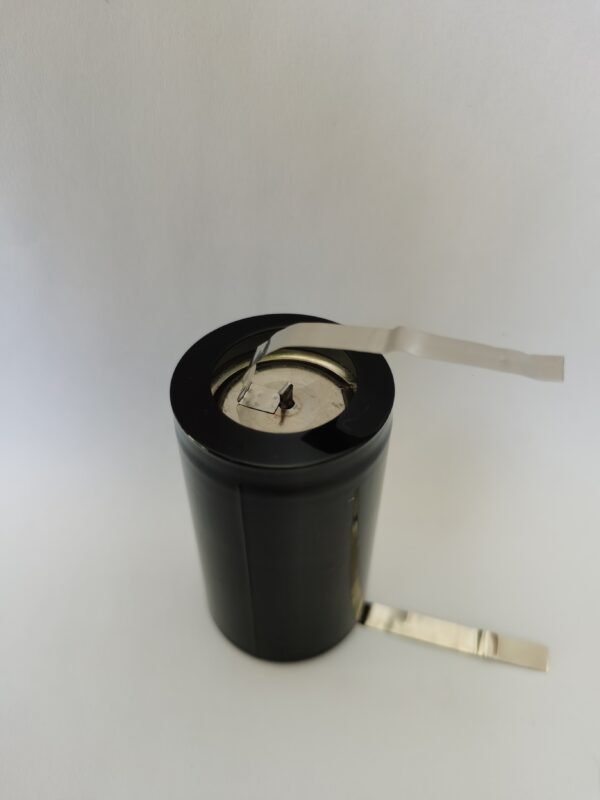
Li-S Battery for Desert Dune Movement Monitoring Sensors
The deployment of IoT sensors in extreme environments, such as desert dunes, presents unique engineering challenges. Among these, power supply reliability is the critical bottleneck. Desert dune movement monitoring requires long-term, autonomous operation where maintenance is costly or impossible. Lithium-Sulfur (Li-S) battery technology has emerged as a compelling solution for these remote sensing applications, offering high energy density and robust performance under thermal stress. This article outlines the technical advantages, environmental adaptability, and procurement considerations for B2B stakeholders integrating Li-S power systems into desert monitoring networks.
Technical Advantages for Remote Sensing
Desert dune monitoring sensors typically operate in sleep mode, waking periodically to transmit data via LoRaWAN or satellite networks. This pulse-load profile demands a battery with low self-discharge and high pulse current capability. Li-S batteries provide a theoretical specific energy significantly higher than traditional Lithium-Ion or even standard Lithium Thionyl Chloride (Li-SOCl2) options in certain configurations.
For B2B engineers, the key metric is volumetric energy density. In dune monitoring, sensor nodes are often buried or mounted on small stakes to minimize wind resistance. A compact power source is essential. Li-S chemistry allows for reduced battery pack size without sacrificing operational lifespan. Furthermore, modern Li-S primary cells are engineered to mitigate the polysulfide shuttle effect, ensuring stable voltage output over multi-year deployments. This stability is crucial for sensors measuring subtle sand displacement, where voltage drops could skew data accuracy.
Environmental Adaptability in Desert Conditions
The desert environment is hostile to electronics. Temperatures can swing from -20°C at night to over 60°C during the day. Standard battery chemistries often fail at these extremes, suffering from capacity loss or electrolyte decomposition.
Li-S batteries designed for industrial IoT are built with wide-temperature electrolytes. When selecting power sources for dune monitoring, procurement teams must verify the operating temperature range. High-quality Li-S cells maintain over 80% of their rated capacity even at 55°C ambient temperatures. Additionally, sand abrasion and humidity (during rare rain events) require robust casing. While the battery chemistry handles the thermal load, the integration design must ensure IP68 sealing to prevent sand ingress which could cause short circuits.
Compliance with international transport and safety standards is another critical factor. Batteries shipped to remote project sites must meet UN 38.3 testing standards for lithium batteries. This ensures safety during air or ground transport across borders, a common requirement for international infrastructure projects in North Africa or the Middle East.
Case Application: Dune Stability Networks
In a recent pilot project for dune stability monitoring in arid regions, sensor nodes were deployed to track sand flow rates. The project required a 5-year operational lifespan without battery replacement. By utilizing high-capacity Li-S primary batteries, the engineering team reduced the total weight of the sensor node by 30% compared to previous Li-SOCl2 setups. This weight reduction minimized the ecological footprint and installation disturbance.
The high energy density allowed for larger transmission intervals, sending high-resolution geological data without frequent recharging cycles. The reliability of the power source directly correlated with data continuity, reducing the risk of gap periods during critical storm events when dune movement is most active. For project managers, this translates to lower total cost of ownership (TCO) despite a potentially higher unit cost, as site visits for maintenance are eliminated.
Procurement and Integration Guidelines
For overseas B2B buyers, sourcing Li-S batteries for harsh environment sensors requires due diligence.
- Vendor Verification: Ensure the manufacturer specializes in primary lithium chemistry for industrial use. Consumer-grade cells will not withstand desert thermal cycling. Verify certifications such as ISO 9001 and specific battery safety reports.
- Customization Capabilities: Sensor housings vary. Look for suppliers who offer custom tabbing, connector types, and form factors to fit specific sensor enclosures.
- Supply Chain Stability: Long-term projects require guaranteed supply continuity. Confirm the vendor’s production capacity and lead times to avoid project delays.
When evaluating potential partners, request sample testing under simulated desert conditions. Validate the voltage curve under pulse load to ensure it matches your sensor’s low-voltage cutoff requirements.
Conclusion
The adoption of Li-S battery technology for desert dune movement monitoring represents a significant step forward in remote environmental sensing. By combining high energy density with thermal resilience, these power sources enable reliable, long-term data collection in some of the planet’s harshest terrains. For engineering firms and procurement officers, the focus should remain on verifying technical specifications, ensuring regulatory compliance, and partnering with established manufacturers.
For detailed specifications on industrial-grade primary batteries suitable for extreme environments, explore our comprehensive product range at https://cnsbattery.com/primary-battery/. Our team is ready to assist with technical consultations and custom solutions for your next remote monitoring project. To discuss procurement options or request samples, please contact us directly via https://cnsbattery.com/primary-battery-contact-us/. Ensuring power reliability is the first step toward accurate environmental intelligence.
