

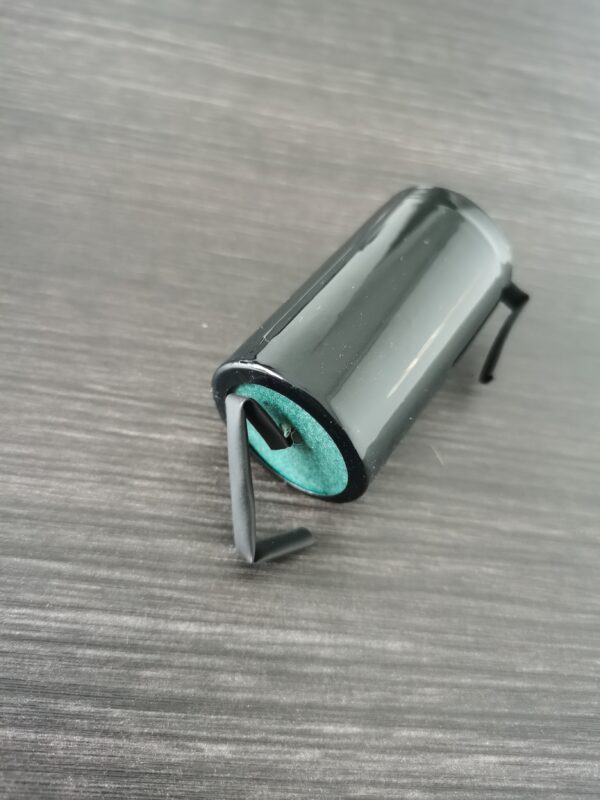
Li-S Battery for Coastal Erosion Monitoring Sensors: A Practical Guide for B2B Decision Makers
Coastal erosion poses an escalating threat to infrastructure, ecosystems, and communities worldwide. As sea levels rise and storm intensity increases, reliable monitoring systems have become critical for early warning and data-driven mitigation strategies. At the heart of these systems lies a fundamental challenge: powering sensors in harsh marine environments for extended periods without frequent maintenance. Lithium-sulfur (Li-S) battery technology has emerged as a compelling solution for coastal erosion monitoring sensors, offering distinct advantages over conventional power sources.
Why Li-S Battery Technology Matters for Marine IoT Deployments
Li-S batteries represent a next-generation primary battery chemistry with theoretical energy density reaching 2600Wh/kg—significantly higher than traditional lithium-ion alternatives. For coastal monitoring applications, this translates into extended operational lifespans, reduced replacement frequency, and lower total cost of ownership. The sulfur cathode material is abundant, cost-effective, and environmentally friendly, aligning with growing sustainability requirements in environmental monitoring projects.
Coastal erosion sensors typically operate in remote locations with limited accessibility. They must withstand saltwater corrosion, high humidity, temperature fluctuations, and continuous exposure to UV radiation. Li-S batteries excel in these conditions due to their stable discharge characteristics and robust performance across wide temperature ranges. Unlike rechargeable systems that depend on solar or wave energy harvesting (which can be unreliable in cloudy or stormy conditions), primary Li-S batteries provide consistent power without dependency on environmental charging sources.
Technical Considerations for Sensor Integration
When deploying coastal erosion monitoring systems, several technical parameters require careful evaluation:
Energy Consumption Profile: Modern erosion sensors integrate GPS, accelerometers, pressure transducers, and LoRaWAN or NB-IoT communication modules. Average power consumption ranges from 10-50μA in sleep mode to 100-200mA during data transmission bursts. Li-S batteries deliver stable voltage output throughout their discharge cycle, ensuring reliable sensor operation until end-of-life.
Environmental Protection: Battery enclosures must meet IP68 or higher ratings for submersion resistance. Salt fog testing per ASTM B117 standards is essential for validating corrosion resistance. Proper sealing and conformal coating protect battery terminals from electrolytic degradation.
Communication Protocol Compatibility: Most coastal monitoring networks utilize low-power wide-area network (LPWAN) technologies. Li-S batteries support the intermittent high-current pulses required for LoRa, Sigfox, or cellular IoT transmissions without significant voltage sag.
Compliance and Regulatory Requirements
B2B buyers must verify that Li-S battery solutions comply with international standards:
- UN 38.3: Mandatory for lithium battery transportation
- IEC 62133: Safety requirements for portable sealed secondary cells
- RoHS/REACH: Environmental compliance for hazardous substance restrictions
- CE/FCC: Regional certification for electronic devices
Additionally, marine deployments may require specific certifications from classification societies or coastal management authorities. Documentation should include safety data sheets (SDS), test reports, and traceability records for audit purposes.
Procurement Best Practices
When sourcing Li-S batteries for coastal monitoring projects, consider these key factors:
1. Operational Lifespan: Request accelerated aging test data and real-world deployment case studies. Quality Li-S batteries should deliver 5-10 years of service in typical coastal sensor applications.
2. Temperature Performance: Verify operating range specifications. Marine environments experience temperatures from -20°C to +60°C depending on geography and season.
3. Supplier Qualification: Evaluate manufacturer credentials, production capacity, and quality management systems (ISO 9001 certification preferred). Established suppliers provide better long-term support and warranty coverage.
4. Customization Options: Some applications require specific form factors, terminal configurations, or capacity ratings. Flexible suppliers can accommodate project-specific requirements without excessive lead times.
5. Total Cost Analysis: Beyond unit price, factor in installation labor, maintenance visits, and potential environmental remediation costs. Higher-quality batteries often deliver better lifetime value despite higher upfront costs.
Real-World Implementation Insights
Several coastal management agencies have successfully deployed Li-S powered sensor networks across Europe, North America, and Asia-Pacific regions. Typical installations include wave buoys, tide gauges, sediment transport monitors, and cliff stability sensors. Data transmission intervals range from hourly to daily, depending on monitoring objectives and battery capacity.
One notable deployment in the Netherlands utilized Li-S batteries to power a network of 200+ erosion sensors along vulnerable dune systems. The project achieved 7-year battery life with 98% data availability, significantly outperforming previous lithium-thionyl chloride installations.
Moving Forward
As coastal erosion accelerates globally, reliable monitoring infrastructure becomes increasingly critical. Li-S battery technology offers a practical, cost-effective power solution for long-term sensor deployments in challenging marine environments. B2B decision makers should prioritize supplier partnerships that combine technical expertise, regulatory compliance, and proven field performance.
For detailed product specifications and technical consultation on Li-S battery solutions for coastal monitoring applications, visit our primary battery product page. Our engineering team can provide customized recommendations based on your specific deployment requirements and environmental conditions.
To discuss procurement options, request samples, or obtain compliance documentation, please contact us for personalized support from our international sales team.
This article provides general guidance for B2B buyers evaluating Li-S battery solutions for coastal erosion monitoring. Specific project requirements may vary based on location, sensor type, and regulatory framework. Always consult with qualified engineers and regulatory experts before finalizing procurement decisions.


