
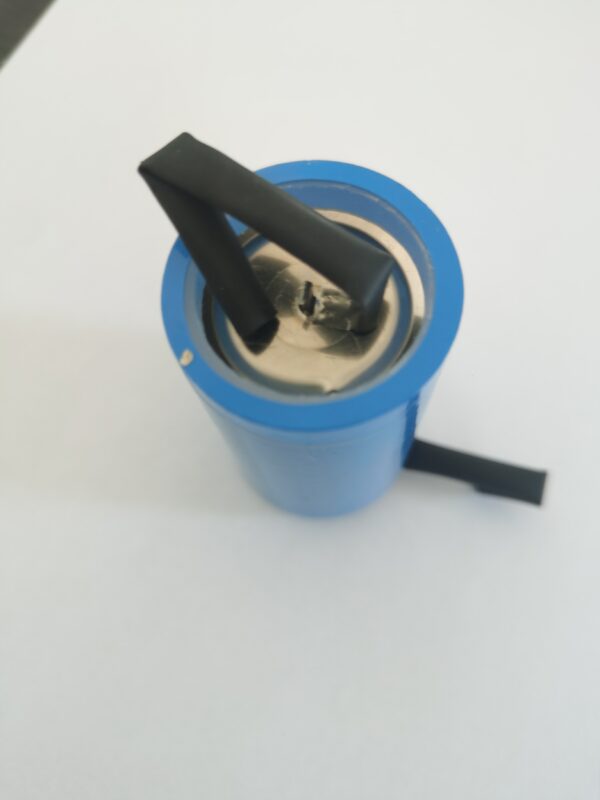
Unveiling the Power of Li-MnO₂: The Ultimate Guide to Primary Lithium Batteries for Industrial Applications
In the relentless pursuit of stable, high-performance power solutions for industrial electronics, Li-MnO₂ (Lithium Manganese Dioxide) batteries have emerged as the undisputed champion. As a professional lithium battery practitioner, I have witnessed firsthand how this specific chemistry solves the most stubborn energy storage problems in the market. Unlike rechargeable lithium-ion cells, Primary Lithium Cells (specifically the Li-MnO₂ type) are designed for “fit and forget” applications where longevity, safety, and consistent voltage are non-negotiable.
This article serves as a comprehensive technical deep dive into the world of Primary Lithium Batteries, focusing on the Li-MnO₂ chemistry. We will explore the core technology, decode the specific advantages for B2B applications, and provide actionable insights for businesses looking to source reliable power solutions. If you are an OEM engineer or a procurement manager looking for a wholesale supplier of watch batteries or industrial primary cells, this guide is tailored for you.
The Core Technology: Why Li-MnO₂ Stands Out
To understand the dominance of the Li-MnO₂ Battery, we must look at the fundamental chemistry. These cells utilize Lithium metal as the anode and Manganese Dioxide (MnO₂) as the cathode. This combination creates a non-rechargeable (primary) cell that offers distinct advantages over alkaline or zinc-carbon alternatives.
Key Technical Specifications:
- Nominal Voltage: 3.0V (Twice the voltage of standard alkaline cells)
- Open Circuit Voltage: 3.5V
- Energy Density: Extremely high, allowing for smaller footprints.
- Operating Temperature: Typically -20°C to +60°C (some variants reach +85°C).
- Shelf Life: 10+ years due to extremely low self-discharge (<1% per year).
The high voltage is a critical factor. In many industrial applications, replacing two 1.5V alkaline cells with a single 3.0V Li-MnO₂ cell reduces the size of the battery compartment by 50% and simplifies the mechanical design of the device. Furthermore, the voltage remains incredibly flat throughout the discharge cycle, ensuring that your device operates at peak performance until the very last moment of the battery’s life.
Decoding the Applications: Where Primary Lithium Cells Excel
The unique properties of Primary Lithium Batteries make them the ideal choice for specific industrial and consumer niches. Let’s break down the major application categories:
1. Smart Electronics & Memory Backup
In the era of IoT, devices like smart meters (gas, water, electricity) and medical instruments require a power source that can last for a decade without maintenance. The Li-MnO₂ chemistry is the standard here. Additionally, these cells are the go-to solution for SRAM memory backup in computers and industrial PLCs, ensuring critical data is never lost during power outages.
2. Consumer Electronics (Watches & Calculators)
When we talk about the Watch Primary Lithium Cell, we are referring to the miniature coin cell variants (like CR2032, CR2025). These tiny powerhouses provide the consistent 3V needed for quartz movements and digital displays in wristwatches. Their reliability is why your watch rarely needs a battery change, and when it does, it is usually because the watch itself has worn out, not the battery.
3. Industrial & Harsh Environments
For applications in extreme cold (such as outdoor sensors in northern climates) or high heat, alkaline batteries fail miserably. Primary Lithium Cells, however, thrive in these conditions. Their ability to function in sub-zero temperatures makes them essential for automotive key fobs, tire pressure monitoring systems (TPMS), and outdoor security systems.
Advantages of Primary Lithium Batteries: A Comparative Analysis
To truly appreciate the value of Li-MnO₂, let’s compare it directly with standard Alkaline batteries, which are often considered the default choice.
| Feature | Alkaline Battery | Li-MnO₂ Primary Lithium Cell |
|---|---|---|
| Nominal Voltage | 1.5V | 3.0V |
| Energy Density | Low | Very High |
| Self-Discharge | High (Leakage risk) | Extremely Low (<1%/yr) |
| Temperature Range | 0°C to 45°C | -20°C to +60°C (Wider in variants) |
| Leakage Risk | High (Damages devices) | Negligible |
| Cost | Low (Upfront) | Higher (But lower TCO) |
Technical Insight: The low self-discharge rate of Primary Lithium Batteries is perhaps their most underrated feature. While an alkaline battery might lose 2-3% of its charge per month, a Li-MnO₂ cell retains over 90% of its capacity even after 10 years of storage. This translates to zero maintenance costs for the end-user.
Sourcing Strategy: Finding the Right Wholesale Supplier
For B2B buyers and OEMs, the technical specifications are only half the battle. The other half is supply chain stability and customization.
As a practitioner in this field, I advise looking for suppliers who offer Customized Requirements. Every industrial device has a unique shape and power draw. A good supplier should be able to provide not just standard coin cells for watches, but also custom-shaped Prismatic Battery Cells or specialized Battery Modules to fit your specific PCB layout.
Furthermore, quality control is paramount. The low self-discharge characteristic of Primary Lithium Cells is heavily dependent on the purity of the electrolyte and the hermetic sealing of the can. This is why partnering with a manufacturer that has rigorous Quality Management systems in place is not optional; it is a necessity to prevent field failures.
Conclusion: The Future is Primary Lithium
The shift from disposable alkaline to high-performance Li-MnO₂ is a testament to the advancement of industrial design. As devices become smarter and more connected, the demand for maintenance-free, high-energy-density power sources will only increase.
If you are looking to upgrade your product’s power solution or source high-quality Watch Primary Lithium Cells and industrial batteries in bulk, partnering with an experienced manufacturer is the first step. Whether you need standard cells or custom Battery System Development, the right technical partner can significantly reduce your total cost of ownership.
Ready to power your application with the industry’s most reliable energy source?
- Explore our full range of Primary Lithium Batteries and technical specifications: Product Link
- Contact our sales team for a wholesale quote or custom project discussion: Contact Us
