
Here is the article crafted to meet your requirements, blending technical depth with strategic SEO for the target audience.
The Ultimate Power Source: Li-MnO₂ Batteries for Portable Medical Devices
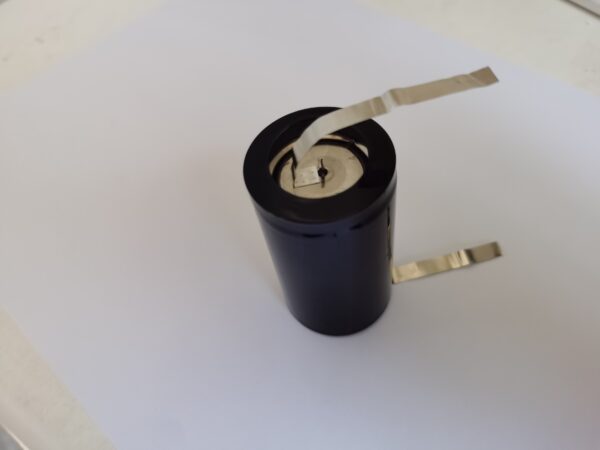
In the high-stakes world of portable medical electronics, power reliability is non-negotiable. While rechargeable Lithium-ion batteries dominate consumer markets, the medical sector often requires the absolute stability and long shelf life of primary (non-rechargeable) cells. Among these, Lithium Manganese Dioxide (Li-MnO₂) batteries stand out as the premier choice for critical care devices.
As a Senior Battery Technology Specialist, I have seen firsthand how the unique chemistry of Li-MnO₂ solves the “power paradox” in medical engineering: delivering high energy density for compact designs while maintaining the safety and longevity needed for life-saving equipment. This guide will dissect why Li-MnO₂ is the gold standard, focusing on its technical parameters, rigorous testing protocols, and the specific engineering barriers required to meet global standards like those in the EU and the USA.
1. The Chemistry of Certainty: Why Li-MnO₂?
At the heart of every Li-MnO₂ cell is a robust chemical reaction. Unlike aqueous systems, these batteries use an organic electrolyte, providing a nominal voltage of 3.0V (double that of alkaline cells). This higher voltage allows medical devices to operate with fewer cells, reducing the physical footprint of the power source.
Key Advantages for Medical Use:
- Long Service Life: Capable of operating consistently for 5 to 10 years, making them ideal for implanted or rarely serviced devices.
- Low Self-Discharge: Losing less than 1% of charge per year, ensuring the device is ready when needed, even after years on a shelf.
- Wide Temperature Tolerance: Functioning reliably from -20°C to +60°C, suitable for sterilization processes and diverse operating environments.
2. Decoding the Technical Parameters
For engineers selecting a power source, the datasheet is the blueprint for success. When evaluating a Li-MnO₂ battery, you must look beyond just capacity (mAh). The true test lies in the discharge curve and pulse capability.
Critical Parameters for Medical Engineers:
| Parameter | Typical Value (Li-MnO₂) | Engineering Significance |
|---|---|---|
| Nominal Voltage | 3.0 V | Reduces cell count in battery packs, simplifying mechanical design. |
| Cut-off Voltage | 2.0 V | Defines the “end of life” threshold for the device’s circuitry. |
| Energy Density | > 280 Wh/L | Allows for miniaturization of handheld medical scanners or monitors. |
| Operating Temp | -20°C to +60°C | Essential for devices used in field hospitals or cold-chain transport. |
| Pulse Capability | High (Varies by model) | Critical for devices requiring short bursts of high power (e.g., defibrillators). |
The Pulse Power Challenge:
Portable medical devices often have “sleep” modes and “active” modes. The ability of a Li-MnO₂ cell to handle high pulse currents without significant voltage drop is a major engineering hurdle. This is where advanced cell design, such as optimized electrode porosity, becomes a critical differentiator.
3. Rigorous Testing: Validating Performance
Selecting a battery is not just about trusting a datasheet; it is about validating performance under real-world stress. For medical applications, testing must simulate the worst-case scenarios.
Essential Testing Protocols:
- Pulse Discharge Testing: Simulating the actual load profile of the medical device to ensure the voltage does not sag below the operating threshold during data transmission or motor activation.
- Temperature Cycling: Subjecting the battery to extreme heat and cold to verify electrolyte stability and seal integrity.
- Vibration and Shock Testing: Ensuring the internal structure remains intact during transport or use in ambulances.
These tests are not merely quality checks; they are the validation of the battery’s ability to perform when human lives are at stake.
4. The Technical Barrier: Meeting Global Standards
Designing a battery is one thing; manufacturing it to meet international medical standards is a completely different technical barrier. This is where the geographical and regulatory landscape plays a crucial role.
Navigating the Regulatory Maze:
- USA (FDA & UL): The US market demands rigorous safety testing. Compliance with standards like UL 1642 (for Lithium batteries) is mandatory. US engineers look for manufacturers who can provide full safety data sheets and have a track record of passing FDA audits regarding material safety.
- EU (RoHS & REACH): The European market is heavily regulated by environmental directives. A compliant Li-MnO₂ battery must be free of restricted substances (RoHS) and require detailed chemical registration (REACH). Furthermore, the CE marking process requires proof of electromagnetic compatibility and low voltage directive adherence.
The “Local” Technical Advantage:
For US and EU engineers, sourcing from a manufacturer that understands these regional nuances is vital. It is not just about making a battery; it is about making a battery that speaks the language of local compliance. This includes using raw materials that pass specific regional toxicity tests and packaging that meets local hazardous material transport regulations (like DOT in the USA).
5. Partnering for Reliability
In the realm of portable medical devices, the battery is not a commodity; it is a component of the safety system. Choosing a Li-MnO₂ battery involves a deep dive into the manufacturer’s R&D capabilities and their adherence to international quality management systems.
If you are an engineer or a procurement specialist looking to integrate a power solution that meets the stringent demands of modern medical electronics, you need a partner that understands the technical barriers of your region.
For those seeking a reliable source for Primary Batteries designed with global standards in mind, exploring a manufacturer with proven expertise in this specific chemistry is the next step. You can view the full range of high-performance primary battery solutions designed for critical applications here: Primary Battery Product Range.
For specific technical inquiries or to discuss how these power solutions can be tailored to your next medical device project, feel free to reach out to the engineering team directly: Contact Us for Technical Support.
